
Sign up to save your podcasts
Or

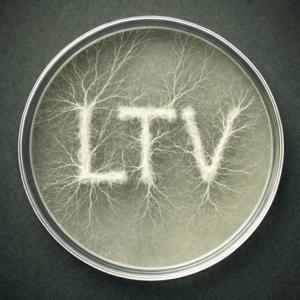


Lactarius trivialis, known as the Slimy Lead Lactarius is a highly specialized mushroom adapted to some of the most challenging environments on Earth. Found in bogs, wetlands, and boreal forests, it combines unique structural engineering, rapid chemical defense, and ecosystem-level influence.
One of its most unusual traits is its hollow, lightweight stem, often described as a “telescope” structure. This adaptation allows the mushroom to grow quickly in waterlogged soils, elevating its cap above moss and standing water without collapsing under its own weight. By minimizing biomass while maximizing height, it ensures efficient spore dispersal in dense, damp environments.
Chemically, Lactarius trivialis operates like a biological landmine. In its intact state, it stores inactive compounds such as stearoylvelutinal. When damaged, enzymes rapidly convert these into velleral and isovelleral, highly reactive dialdehydes that produce an immediate burning, acrid taste. This system deters predators while also acting as a microbial defense, sealing wounds against infection.
As the mushroom matures, its white latex oxidizes into a distinctive grayish-green coloration, providing a key identification feature that separates it from closely related species.
Ecologically, this species plays a major role in northern nutrient cycles. It forms ectomycorrhizal partnerships with trees such as birch and conifers, enhancing nutrient uptake in poor soils. Research has shown that it can significantly accelerate nitrogen mineralization, helping sustain plant growth in otherwise nutrient-limited ecosystems.
At the same time, it contributes to long-term carbon storage by influencing decomposition dynamics, a process often linked to the Gadgil effect, where mycorrhizal fungi compete with decomposers and slow organic matter breakdown.
Survival in cold climates requires advanced biochemical strategies. L. trivialis produces trehalose, a protective sugar that stabilizes cells during freezing conditions, and utilizes fatty acid desaturation to maintain membrane fluidity in low temperatures. These adaptations allow it to endure repeated freeze-thaw cycles in subarctic environments.
Despite its acrid toxicity to humans when raw, this mushroom has deep cultural importance in Northern Europe. In Finland, it is widely consumed after undergoing ryöppäys, a traditional boiling process that removes its irritating compounds. It is also a key food source for reindeer, which can tolerate its chemical defenses.
This episode explores the structural adaptations, rapid chemical defenses, cold-environment survival strategies, ecological influence, and cultural significance of Lactarius trivialis, revealing how a seemingly simple mushroom becomes a cornerstone of northern ecosystems.
00:00 Introduction to Lactarius trivialis
03:41 The Hollow “Telescope” Stem
08:26 Life in Boggy Environments
12:14 Chemical Defense Activation
17:03 Acrid Compounds Explained
21:36 Latex Color Transformation
25:48 Mycorrhizal Partnerships
30:12 Nitrogen Cycling and Soil Impact
34:45 Cold Adaptations and Cryobiology
38:27 Reindeer and Human Use
42:03 Final Thoughts
lactarius trivialis, slimy lead lactarius, northern milkcap, bog mushrooms, hollow stem fungi, fungal chemical defense, velleral isovelleral, ectomycorrhiza fungi, boreal forest fungi, nitrogen cycling fungi, arctic mushrooms, mushroom adaptation cold, weird fungi, mycology podcast, forest ecology fungi, wetland mushrooms
#lactariustrivialis #northernmilkcap #fungalfacts #mycology #fungalbiology #forestecology #arcticscience #weirdnature #sciencepodcast #rarefungi
Lactarius torminosus, known as the Woolly Milkcap or Bearded Milkcap, is one of the most chemically sophisticated defensive organisms in the fungal kingdom. Beneath its soft, hairy cap lies a high-speed biochemical weapon system that activates instantly when the mushroom is damaged.
At rest, the mushroom stores inactive compounds such as stearoylvelutinal, a harmless fatty acid ester. But the moment the tissue is bitten or cut, enzymes trigger a rapid transformation, converting these precursors into velleral and isovelleral—potent dialdehydes responsible for its intensely acrid, burning taste. This allows the fungus to deploy chemical defenses only when needed, conserving energy while maximizing protection.
Its milky latex is not just chemically active—it also represents a striking case of convergent evolution. Much like the latex of rubber trees, it is built from isoprenoid units, forming a sticky fluid that both deters predators and physically seals wounds, preventing infection and further damage.
Beyond its chemistry, Lactarius torminosus plays a powerful ecological role. It forms ectomycorrhizal partnerships with birch trees, enabling them to expand into nutrient-poor and cold environments. This relationship is now contributing to Arctic “greening,” where birch forests are moving northward into tundra regions.
This expansion has broader consequences. As birch trees spread, they alter surface reflectivity and snow retention, which can accelerate soil warming and permafrost thaw. In this way, a single mushroom species indirectly participates in large-scale climate feedback systems.
A lesser-known ecological link ties this fungus to caribou population dynamics. As grazing pressure declines due to caribou population drops, birch expansion—and the fungal networks that support it—can increase, further reshaping northern ecosystems.
The Woolly Milkcap is also a remarkable nutrient reservoir, capable of accumulating extremely high levels of potassium under environmental stress. When the mushroom decomposes, it releases these nutrients back into the soil, supporting surrounding plant life.
Despite being considered toxic when raw, this species is traditionally consumed in parts of Eastern Europe and Scandinavia. Through prolonged soaking and boiling, its acrid compounds are neutralized, transforming it into a culturally significant food.
This episode explores the rapid-response chemistry, convergent evolution, Arctic ecological impact, hidden trophic relationships, and cultural paradox of Lactarius torminosus, revealing why this seemingly simple mushroom is actually a key player in both forest ecosystems and global environmental change.
Lactarius torminosus, known as the Woolly Milkcap or Bearded Milkcap, is one of the most chemically sophisticated defensive organisms in the fungal kingdom. Beneath its soft, hairy cap lies a high-speed biochemical weapon system that activates instantly when the mushroom is damaged.
At rest, the mushroom stores inactive compounds such as stearoylvelutinal, a harmless fatty acid ester. But the moment the tissue is bitten or cut, enzymes trigger a rapid transformation, converting these precursors into velleral and isovelleral—potent dialdehydes responsible for its intensely acrid, burning taste. This allows the fungus to deploy chemical defenses only when needed, conserving energy while maximizing protection.
Its milky latex is not just chemically active—it also represents a striking case of convergent evolution. Much like the latex of rubber trees, it is built from isoprenoid units, forming a sticky fluid that both deters predators and physically seals wounds, preventing infection and further damage.
Beyond its chemistry, Lactarius torminosus plays a powerful ecological role. It forms ectomycorrhizal partnerships with birch trees, enabling them to expand into nutrient-poor and cold environments. This relationship is now contributing to Arctic “greening,” where birch forests are moving northward into tundra regions.
This expansion has broader consequences. As birch trees spread, they alter surface reflectivity and snow retention, which can accelerate soil warming and permafrost thaw. In this way, a single mushroom species indirectly participates in large-scale climate feedback systems.
A lesser-known ecological link ties this fungus to caribou population dynamics. As grazing pressure declines due to caribou population drops, birch expansion—and the fungal networks that support it—can increase, further reshaping northern ecosystems.
The Woolly Milkcap is also a remarkable nutrient reservoir, capable of accumulating extremely high levels of potassium under environmental stress. When the mushroom decomposes, it releases these nutrients back into the soil, supporting surrounding plant life.
Despite being considered toxic when raw, this species is traditionally consumed in parts of Eastern Europe and Scandinavia. Through prolonged soaking and boiling, its acrid compounds are neutralized, transforming it into a culturally significant food.
This episode explores the rapid-response chemistry, convergent evolution, Arctic ecological impact, hidden trophic relationships, and cultural paradox of Lactarius torminosus, revealing why this seemingly simple mushroom is actually a key player in both forest ecosystems and global environmental change.
00:00 Introduction to the Woolly Milkcap
03:28 Why It’s Called “Torminosus”
07:12 Wound-Activated Chemical Defense
12:46 The Burning Latex Explained
17:03 Convergent Evolution with Rubber Trees
21:58 Birch Symbiosis and Mycorrhiza
26:41 Arctic Expansion and Climate Feedback
31:22 Caribou and Ecosystem Interactions
35:40 Potassium Accumulation and Soil Impact
39:12 Cultural Uses and Detoxification
42:18 Final Thoughts
lactarius torminosus, woolly milkcap, bearded milkcap, acrid mushrooms, fungal chemical defense, velleral isovelleral, latex mushrooms, ectomycorrhiza birch, arctic fungi, climate change fungi, tundra expansion, mushroom toxins, strange fungi, mycology podcast, fungal ecology, bioaccumulation fungi
#lactariustorminosus #woollymilkcap #fungalfacts #mycology #fungalchemistry #forestecology #climatescience #weirdnature #sciencepodcast #rarefungi
Lactarius tabidus, commonly known as the Birch Milkcap, may appear small and fragile, but it conceals a highly sophisticated system of chemical defense, ecological timing, and survival strategy.
Its name, derived from the Latin tabidus meaning “wasting” or “stunted,” reflects its slender appearance—but this species is far from weak. Beneath its surface lies a powerful wound-activated defense mechanism. In its intact state, the mushroom stores inactive compounds known as stearoylvelutinal esters. When damaged, enzymes rapidly convert these into highly reactive dialdehydes such as isovelleral, producing an immediate chemical deterrent against predators.
One of its most distinctive features is its color-changing latex. Initially white, the milk quickly turns a persistent sulphur-yellow due to the formation of a triene-enolactone pigment. This reaction is not only visually striking but chemically stable enough that it has historically been used as a natural dye.
Ecologically, Lactarius tabidus plays a critical and often overlooked role. As a mycorrhizal partner of birch trees, it participates in a finely tuned biological exchange. Just before seasonal bud break, the fungus increases enzyme production to break down organic matter, releasing nutrients that support early tree growth when photosynthesis has not yet begun.
Unlike more sensitive fungi, this species demonstrates remarkable resilience in disturbed environments. It can persist after events such as storms and pest outbreaks, and it shows a higher tolerance to nitrogen-rich conditions, allowing it to help stabilize recovering forest ecosystems.
Recent research has also revealed its potential medical relevance, particularly its ability to inhibit bacterial biofilm formation, a key factor in antibiotic resistance.
This episode explores its chemical defenses, pigment transformations, ecological timing, resilience strategies, and emerging scientific importance, revealing how this modest-looking mushroom operates as a highly effective biological system.
Lactarius tabidus, commonly known as the Birch Milkcap, may appear small and fragile, but it conceals a highly sophisticated system of chemical defense, ecological timing, and survival strategy.
Its name, derived from the Latin tabidus meaning “wasting” or “stunted,” reflects its slender appearance—but this species is far from weak. Beneath its surface lies a powerful wound-activated defense mechanism. In its intact state, the mushroom stores inactive compounds known as stearoylvelutinal esters. When damaged, enzymes rapidly convert these into highly reactive dialdehydes such as isovelleral, producing an immediate chemical deterrent against predators.
One of its most distinctive features is its color-changing latex. Initially white, the milk quickly turns a persistent sulphur-yellow due to the formation of a triene-enolactone pigment. This reaction is not only visually striking but chemically stable enough that it has historically been used as a natural dye.
Ecologically, Lactarius tabidus plays a critical and often overlooked role. As a mycorrhizal partner of birch trees, it participates in a finely tuned biological exchange. Just before seasonal bud break, the fungus increases enzyme production to break down organic matter, releasing nutrients that support early tree growth when photosynthesis has not yet begun.
Unlike more sensitive fungi, this species demonstrates remarkable resilience in disturbed environments. It can persist after events such as storms and pest outbreaks, and it shows a higher tolerance to nitrogen-rich conditions, allowing it to help stabilize recovering forest ecosystems.
Recent research has also revealed its potential medical relevance, particularly its ability to inhibit bacterial biofilm formation, a key factor in antibiotic resistance.
This episode explores its chemical defenses, pigment transformations, ecological timing, resilience strategies, and emerging scientific importance, revealing how this modest-looking mushroom operates as a highly effective biological system.
00:00 Introduction to the Birch Milkcap
02:16 The Meaning Behind “Tabidus”
05:09 First Observations & Habitat
08:42 Wound-Activated Chemical Defense
12:28 Velutinal & Carbocation Rearrangement
16:11 Dialdehydes & Predator Deterrence
19:47 The Yellow Latex Transformation
23:18 Triene-Enolactone Pigment Chemistry
27:04 Natural Dye Applications
30:12 Mycorrhizal Relationship with Birch
34:01 Pre-Bud Break Nutrient Surge
37:26 Resilience in Disturbed Ecosystems
40:18 Nitrogen Tolerance & Forest Recovery
42:47 Anti-Biofilm Research Potential
44:36 Final Thoughts
lactarius tabidus, birch milkcap, yellow latex mushroom, velutinal fungi, dialdehydes mushroom, isovelleral fungus, fungal chemistry, mycorrhizal fungi, birch forest mushrooms, natural dye fungi, biofilm inhibition fungi, rare fungi, mycology podcast, mushroom science, ecological fungi
#lactariustabidus #birchmilkcap #fungalfacts #mycology #rarefungi #mushroomscience #fungalchemistry #weirdnature #sciencepodcast #bizarrefungi
Lactarius rufus, known as the Rufous Milkcap or Red Hot Milkcap, is one of the most deceptive and chemically advanced mushrooms found in boreal forests.
At first taste, its white latex appears completely mild—misleading foragers into thinking it is harmless. But after a short delay, the experience transforms dramatically into an intense, burning heat. This effect is not accidental. It is the result of a highly specialized wound-activated chemical defense system.
In its intact state, the mushroom stores a non-toxic precursor called stearoylvelutinal. When the tissue is damaged, enzymes rapidly convert this compound into powerful dialdehydes, including isovelleral and velleral. These reactive chemicals produce the mushroom’s delayed, acrid intensity while also functioning as potent antimicrobial and antifungal agents.
Beyond its chemical defenses, Lactarius rufus is also a remarkable radioecological indicator species. It has been identified as a strong accumulator of radiocesium, particularly in regions affected by nuclear fallout. This occurs because the fungus actively absorbs cesium due to its chemical similarity to potassium, an essential nutrient in nutrient-poor forest soils. As a result, the mushroom can retain elevated radiation levels long after surrounding vegetation has stabilized.
Structurally, the species contains specialized spherical cells known as sphaerocysts, giving its stem a brittle, snapping texture rather than a fibrous tear. It also produces unique secondary compounds such as rufuslactone, which has shown potential in suppressing plant pathogens.
Despite its defensive chemistry, Lactarius rufus exists within a complex ecological web. It can be parasitized by fungi such as Hypomyces lateritius, which alters its structure and suppresses its reproductive system while leaving its latex production intact.
Culturally, the mushroom presents a paradox. While often avoided in some regions due to its acrid properties, it is traditionally consumed in parts of Northern and Eastern Europe after undergoing careful preparation methods that remove its irritants.
This episode explores its delayed chemical heat, defensive biology, radioactive accumulation, ecological interactions, and cultural adaptations, revealing why Lactarius rufus is one of the most deceptive fungi in the natural world.
Lactarius rufus, known as the Rufous Milkcap or Red Hot Milkcap, is one of the most deceptive and chemically advanced mushrooms found in boreal forests.
At first taste, its white latex appears completely mild—misleading foragers into thinking it is harmless. But after a short delay, the experience transforms dramatically into an intense, burning heat. This effect is not accidental. It is the result of a highly specialized wound-activated chemical defense system.
In its intact state, the mushroom stores a non-toxic precursor called stearoylvelutinal. When the tissue is damaged, enzymes rapidly convert this compound into powerful dialdehydes, including isovelleral and velleral. These reactive chemicals produce the mushroom’s delayed, acrid intensity while also functioning as potent antimicrobial and antifungal agents.
Beyond its chemical defenses, Lactarius rufus is also a remarkable radioecological indicator species. It has been identified as a strong accumulator of radiocesium, particularly in regions affected by nuclear fallout. This occurs because the fungus actively absorbs cesium due to its chemical similarity to potassium, an essential nutrient in nutrient-poor forest soils. As a result, the mushroom can retain elevated radiation levels long after surrounding vegetation has stabilized.
Structurally, the species contains specialized spherical cells known as sphaerocysts, giving its stem a brittle, snapping texture rather than a fibrous tear. It also produces unique secondary compounds such as rufuslactone, which has shown potential in suppressing plant pathogens.
Despite its defensive chemistry, Lactarius rufus exists within a complex ecological web. It can be parasitized by fungi such as Hypomyces lateritius, which alters its structure and suppresses its reproductive system while leaving its latex production intact.
Culturally, the mushroom presents a paradox. While often avoided in some regions due to its acrid properties, it is traditionally consumed in parts of Northern and Eastern Europe after undergoing careful preparation methods that remove its irritants.
This episode explores its delayed chemical heat, defensive biology, radioactive accumulation, ecological interactions, and cultural adaptations, revealing why Lactarius rufus is one of the most deceptive fungi in the natural world.
00:00 Introduction to the Red Hot Milkcap
02:18 First Taste & The Delayed Heat Effect
05:41 The Chemistry Behind the Burn
09:27 Velutinal & Inactive Precursors
13:12 Dialdehydes & Chemical Activation
17:03 Defensive Function & Predator Deterrence
21:06 The Chernobyl Connection
25:14 Radiocesium Accumulation Explained
29:08 Potassium Mimicry & Nutrient Uptake
32:46 Structural Traits & Sphaerocysts
36:02 Rufuslactone & Antifungal Properties
39:11 Parasitic Fungi & Ecological Interactions
42:08 Cultural Preparation & Fermentation
44:31 Final Thoughts
lactarius rufus, red hot milkcap, rufous milkcap, delayed heat mushroom, velutinal fungi, isovelleral mushroom, radioactive mushrooms, cesium fungi, chernobyl mushrooms, fungal chemistry, mushroom defense mechanisms, mycology podcast, rare fungi, strange mushrooms, mushroom science, ecological fungi
#lactariusrufus #redhotmilkcap #fungalfacts #mycology #rarefungi #mushroomscience #fungalchemistry #weirdnature #sciencepodcast #bizarrefungi
Lactarius musteus, known as the Pine Milkcap, is a deceptively simple mushroom hiding one of the most sophisticated chemical defense systems in the fungal world.
At rest, this species appears harmless. Its tissues contain an inactive compound known as stearoylvelutinal, safely stored in a non-toxic form. But the moment the mushroom is damaged, a rapid biochemical reaction is triggered. Enzymes cleave the fatty acid, releasing velutinal, which quickly transforms into highly reactive dialdehydes such as isovelleral and velleral. These compounds create an intensely burning, acrid taste, functioning as an immediate deterrent against predators.
Beneath its pale exterior lies a surprising chemical contradiction. Despite its muted coloration, Lactarius musteus contains significant levels of beta-carotene and lycopene—pigments typically associated with bright orange and red organisms. In this species, these compounds act primarily as antioxidants, protecting the fungus from oxidative stress in exposed, nutrient-poor environments.
The Pine Milkcap is also a powerful metal scavenger, demonstrating exceptional ability to bind and store trace elements. Studies have shown extremely high iron-chelating capacity, suggesting a specialized adaptation for survival in mineral-limited soils.
Ecologically, this mushroom is more than just a decomposer—it is a forest indicator species. It forms highly specific mycorrhizal relationships with pine trees, particularly in long-established, undisturbed ecosystems. Its presence often signals a stable, mature forest with a well-developed underground nutrient network.
Subtle physical traits further distinguish it, including small pit-like depressions on the stem and a faint yellowish ring zone near the top of mature specimens. These features, combined with its chemistry, make it a unique subject of study in fungal biology.
Beyond ecology, Lactarius musteus has attracted attention for its potential medical applications, particularly its ability to interfere with bacterial biofilms. In traditional practices, extended fermentation methods have also been used to neutralize its acrid compounds, transforming it into a consumable food source.
This episode explores its triggered chemical defenses, hidden pigment systems, metal-binding capabilities, ecological role, and emerging scientific relevance, revealing how this understated mushroom operates as a highly advanced biological system.
Lactarius musteus, known as the Pine Milkcap, is a deceptively simple mushroom hiding one of the most sophisticated chemical defense systems in the fungal world.
At rest, this species appears harmless. Its tissues contain an inactive compound known as stearoylvelutinal, safely stored in a non-toxic form. But the moment the mushroom is damaged, a rapid biochemical reaction is triggered. Enzymes cleave the fatty acid, releasing velutinal, which quickly transforms into highly reactive dialdehydes such as isovelleral and velleral. These compounds create an intensely burning, acrid taste, functioning as an immediate deterrent against predators.
Beneath its pale exterior lies a surprising chemical contradiction. Despite its muted coloration, Lactarius musteus contains significant levels of beta-carotene and lycopene—pigments typically associated with bright orange and red organisms. In this species, these compounds act primarily as antioxidants, protecting the fungus from oxidative stress in exposed, nutrient-poor environments.
The Pine Milkcap is also a powerful metal scavenger, demonstrating exceptional ability to bind and store trace elements. Studies have shown extremely high iron-chelating capacity, suggesting a specialized adaptation for survival in mineral-limited soils.
Ecologically, this mushroom is more than just a decomposer—it is a forest indicator species. It forms highly specific mycorrhizal relationships with pine trees, particularly in long-established, undisturbed ecosystems. Its presence often signals a stable, mature forest with a well-developed underground nutrient network.
Subtle physical traits further distinguish it, including small pit-like depressions on the stem and a faint yellowish ring zone near the top of mature specimens. These features, combined with its chemistry, make it a unique subject of study in fungal biology.
Beyond ecology, Lactarius musteus has attracted attention for its potential medical applications, particularly its ability to interfere with bacterial biofilms. In traditional practices, extended fermentation methods have also been used to neutralize its acrid compounds, transforming it into a consumable food source.
This episode explores its triggered chemical defenses, hidden pigment systems, metal-binding capabilities, ecological role, and emerging scientific relevance, revealing how this understated mushroom operates as a highly advanced biological system.
00:00 Introduction to the Pine Milkcap
02:14 First Look & Habitat
05:32 The “Chemical Defense Bomb” Explained
09:18 Velutinal & Inactive Storage System
13:06 Dialdehydes & Acrid Defense Chemistry
17:21 Self-Protection & Detox Mechanisms
21:08 The Carotenoid Paradox
25:02 Beta-Carotene & Lycopene Roles
28:44 Heavy Metal Chelation & Iron Binding
32:30 Mycorrhizal Symbiosis with Pines
36:12 Forest Indicator & Ecological Role
39:28 Physical Traits & Identification Markers
42:11 Fermentation & Cultural Use
44:02 Medical Potential & Biofilm Research
45:32 Final Thoughts
lactarius musteus, pine milkcap, velutinal mushroom, fungal chemical defense, dialdehydes fungi, isovelleral mushroom, carotenoids fungi, beta carotene mushroom, heavy metal fungi, iron chelation fungus, mycorrhizal fungi, pine forest mushrooms, rare fungi, mycology podcast, mushroom science, ecological fungi
#lactariusmusteus #pinemilkcap #fungalfacts #mycology #rarefungi #mushroomscience #fungalchemistry #weirdnature #sciencepodcast #bizarrefungi
Lactarius mammosus, known as the Dark Coconut Milkcap, is a deeply complex fungal species that combines unexpected aroma chemistry with extreme environmental resilience.
Its distinct coconut-like scent is produced by compounds such as 6-pentyl-2H-pyran-2-one and gamma-lactones, creating an aroma profile rarely seen in wild fungi. But beneath this pleasant fragrance lies a highly advanced biological system built for survival.
Like many members of the Lactarius genus, this mushroom deploys a rapid-response chemical defense mechanism. In its intact state, it stores inactive precursors like velutinal esters. When damaged, these compounds are instantly converted into reactive dialdehydes, producing a sharp, acrid deterrent that protects the organism from predators and microbial threats.
Beyond its chemistry, Lactarius mammosus is a remarkable environmental survivor. It thrives in toxic, heavy-metal-contaminated soils, including regions affected by uranium mining. Through biosorption and chelation, it can immobilize harmful elements such as uranium, copper, and aluminum, effectively acting as a biological shield for surrounding plant life.
Its ecological role extends even further. As a mycorrhizal partner, it forms symbiotic relationships with trees, redistributing nutrients through underground networks while also contributing to the breakdown of complex organic matter.
Despite its defensive properties, this species has a unique cultural role. In Finland, it is valued for its flavor and incorporated into traditional dishes, where its coconut-like aroma is preserved rather than removed.
This deep dive explores its aroma chemistry, defense systems, heavy metal tolerance, ecological function, and cultural significance, revealing why Lactarius mammosus stands out as one of the most adaptable fungi in the natural world.
From the publisher's feed