Melba and Tristan are both living with Parkinson’s, but their journeys look very different.
Melba was diagnosed five years ago after a lifetime of being incredibly active. Tristan was diagnosed just one year ago at 40, with three young children and a baby at home. In this episode, they join Gaia for an honest conversation about what happens after the diagnosis, from the fear and uncertainty to rebuilding confidence, setting big goals, and learning how to move forward.
At the center of their conversation is an idea Melba calls “active hope.”
Hope isn’t simply wishing things will get better. It’s training, nutrition, mindset, mindfulness, discipline, building the right support system, and continuing to show up even on the days when motivation isn’t there.
As Melba puts it: “We can all hope. But you have to put legs on that hope.”
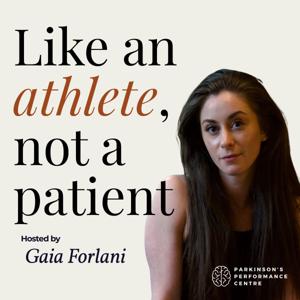
Together, they challenge the idea that a Parkinson’s diagnosis should automatically mean doing less. They explore the difference between simply being active and truly training, why exercise needs to be individualized, and what it means to train like an athlete, not a patient.
They also discuss family, vulnerability, discipline, building a multidisciplinary care team, the potential role of AI, and why the person living with Parkinson’s should remain at the center of their own care.
WHAT WE COVER:
Melba and Tristan’s very different experiences of being diagnosed with Parkinson’s
The fear, grief, and uncertainty that can follow a diagnosis
Why Parkinson’s should not automatically mean lowering expectations for what someone is capable of
The difference between being active and intentionally training
What it means to “Train Like An Athlete, Not A Patient”
Why Parkinson’s training should consider intensity, load, volume, duration, variety, and the individual
Building resilience and continuing to show up when motivation disappears
Melba’s concept of “active hope”
How Parkinson’s affects spouses, children, and the wider family
Protecting the relationship between partners instead of allowing it to become only patient and caregiver
Building a care team beyond the neurologist
Why the person living with Parkinson’s is the real expert on their own experience
How AI may support, rather than replace, clinicians, trainers, and care partners
Discipline, consistency, and focusing on what remains within your control
Setting big goals and refusing to let Parkinson’s automatically make life smaller
Why real hope requires action, effort, and putting in the reps
WHAT’S NEXT:
📧 Join our newsletter: Get Parkinson’s research, practical strategies, expert insights, and updates from Parkinson’s Performance Centre delivered straight to your inbox.
🏋️ Train Like An Athlete: Gaia’s work at Parkinson’s Performance Centre, and her belief that people with Parkinson’s can train like athletes, was the inspiration behind the Like An Athlete, Not A Patient podcast. If you’re interested in learning more about Gaia’s program and how PPC helps people with Parkinson’s train with purpose, explore the program HERE.
STAY CONNECTED WITH US:
Instagram: @gaia.forlani.ppc
Facebook: Gaia Forlani
SUBSCRIBE & REVIEW
If this episode changed the way you think about Parkinson’s rehabilitation and the role you can play in your own care, subscribe to Like An Athlete, Not A Patient and leave a review. It helps more people with Parkinson’s, their families, caregivers, and the professionals supporting them discover these conversations.