
Sign up to save your podcasts
Or

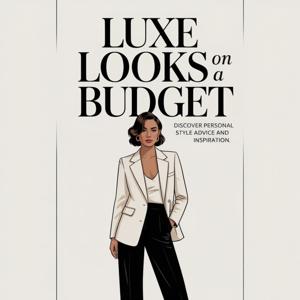


Welcome to “Luxe Style Secrets,” the podcast where we explore the stories behind what we wear and why it matters. I’m your host, Tanya Calmwood, and today we’re diving into a sparkling topic—diamonds. Are diamonds, whether real or synthetic, truly necessary to capture the “affluent woman” look? Or is this glittering tradition overdue for a rethink? Stick with us as we trace the history, controversies, and modern trends in diamond jewelry. History of Diamonds as a Status Symbol For centuries, diamonds have been synonymous with wealth, luxury, and social status. But how did this tiny piece of carbon become such a powerful symbol among affluent women? It all started in the late 19th and early 20th centuries, when diamond mining took off and clever marketing campaigns—especially the famous “A Diamond is Forever” slogan—cemented diamonds as the ultimate sign of love and prosperity. Royals and Hollywood icons wore them, and soon, diamonds were the must-have accessory for anyone wanting to project sophistication and success. Mined Diamonds: Problems and Controversies Of course, the sparkle comes at a cost. The traditional diamond industry has faced serious scrutiny over the years. Mined diamonds are linked to environmental destruction, from deforestation to water pollution. There’s also the ethical dilemma: “blood diamonds” or conflict diamonds have funded violence and exploitation in some regions. For many consumers, these issues have cast a shadow over the allure of natural diamonds. More people are asking, “Is this beautiful stone worth its hidden price?” Synthetic Diamonds: A Modern Alternative That brings us to lab-grown, or synthetic, diamonds—a game changer for the jewelry world. These stones are virtually identical to mined diamonds in appearance and composition, but they’re made in laboratories, often with far less environmental impact and no ethical baggage. At first, synthetic diamonds were met with skepticism, but today they’re increasingly accepted, especially among younger buyers who value transparency and sustainability. So, is it the diamond itself, or what it represents, that defines “affluent style”? Types of Diamond Jewelry Let’s talk about how diamonds show up in women’s wardrobes. We all know about engagement rings and anniversary bands, but diamond jewelry extends well beyond these classics. Earrings : Diamond studs are a timeless favorite—simple, elegant, and versatile. Larger diamond drop earrings make a statement at formal events. Rings : Beyond those iconic engagement and anniversary rings, women often wear diamond cocktail rings or stackable bands for a touch of everyday luxury. Tennis Bracelets: Maybe you’ve heard the term but wondered what it means. A tennis bracelet is a flexible line of individually set diamonds, typically worn on the wrist. The origin? It’s named after tennis star Chris Evert, who famously stopped a match in the 1980s to retrieve her diamond bracelet after it broke. Since then, the tennis bracelet has been a symbol of understated glamor—ideal for both day and night. How Many Diamonds Are Appropriate? So, how much sparkle is too much? Social norms have shifted over time. Decades ago, piling on diamonds was seen as a display of wealth—think old Hollywood or royal galas. Today, style guidelines lean toward subtlety and personal expression. For most occasions, a few carefully chosen pieces—like a pair of diamond studs, a ring, and maybe a tennis bracelet—strike the right balance between elegance and excess. Ultimately, it’s less about the number of diamonds and more about how they’re worn. Confidence and authenticity always outshine sheer quantity. More Fashion Information If you want a go-to resource that breaks down the idea of looking affluent and put-together without breaking the bank, I highly recommend checking out Luxe Looks by Mia Winslow . It’s packed with practical advice on mastering luxury style affordably, perfect for anyone working on their look. Remember, personal style tips for women aren’t about following trends blindly—they’re about discovering what really speaks to your body and soul. So if you’ve been stuck wondering how to handle the changes with your wardrobe, keep it simple: Find your body shape and understand it. Pick statement pieces that flatter your best traits. Experiment with fit and proportion until it feels natural. Add personality with accessories. Also, check out stylish but affordable guides like Luxe Looks for fresh ideas. So, wrap your style journey around who you are and who you want to become. Why not treat yourself to that sense of luxury style that comes with confidence? Your personal style is your signature, your personal brand, and the way you tell the world your story every day. Buy Now and Discover Affordable Luxury Style that works no matter your budget. You’ll find it’s not just about clothes—it’s about you! What Shall We Wear Next? So, do you need diamonds to look affluent? Not necessarily. The history and symbolism are fascinating, but style is all about making choices that reflect who you are. Whether you opt for real diamonds, lab-grown alternatives, or skip the sparkle altogether, what matters is that your jewelry tells your story—not just your status. Thanks for tuning in to “Luxe Style Secrets.” If you enjoyed today’s episode, subscribe and join us next time as we explore more style secrets. Until then, stay brilliant!
Taking Care of Pearls Pearl Care, Storage, and Repair Caring for Real Pearls : Real pearls are delicate, organic gems that require gentle handling to maintain their luster. Always put your pearls on last—after applying perfumes, hairsprays, or lotions—to avoid chemical exposure that can dull their surface. After wearing, wipe your pearls gently with a soft, damp cloth to remove body oils or residues. Clean them occasionally with mild soapy water, but never soak them or use harsh cleaners. When restringing, opt for silk thread and have them professionally restrung every few years if worn often. Storing Real Pearls : Store real pearls flat in a soft cloth pouch or a lined jewelry box, away from other jewelry that could scratch their surface. Pearls benefit from a bit of humidity, so avoid airtight containers or safety deposit boxes for long-term storage, which can dry them out and cause cracking. Never hang pearl necklaces, as this can stretch the silk thread over time. Repairing Pearls: If your pearl jewelry shows signs of wear—such as fraying silk thread, loose pearls, or a weakened clasp—it’s time for a repair. Frequent wearers should consider professional restringing every two to three years to maintain security and prevent accidental loss. Repairs like restringing and fixing clasps are best handled by a professional jeweler, especially for real pearls, as improper handling can damage their delicate surface or compromise their integrity. DIY repairs are generally not recommended for real pearls. Faux Pearl Care, Storage, and Repair Caring for Faux Pearls: Faux pearls are generally more resilient than real ones, but they still need some care. Avoid abrasive cleaners or rough scrubbing, as many faux pearls are coated and can lose their shine. Wipe them down with a soft, dry or slightly damp cloth after wearing. If needed, use a gentle soap solution, but avoid soaking, especially if they are glued rather than strung. Storing Faux Pearls: Faux pearls can be stored in a similar way—separated from other jewelry to prevent scratching. They aren’t as sensitive to humidity, but it’s still best to keep them in a soft pouch or box to protect their finish. Hanging faux pearl necklaces is generally fine, as the thread or wire is often sturdier, but check for any signs of stretching or wear over time. Repairing Faux Pearls: Faux pearls can often be repaired at home, especially if the issue is simple, such as a loose clasp or minor thread stretching. If a string breaks, you can restring faux pearls yourself using jewelry wire or sturdy thread, making sure to knot between beads to prevent them from rubbing against each other. For pearls that are glued onto settings and have come loose, a small dab of a clear jewelry adhesive can reattach them securely. However, if the damage is extensive—like severe chipping of the coating or complex necklace designs—a professional jeweler may be needed for a seamless fix. If faux pearls are heavily damaged or their finish is flaking beyond repair, it may be best to retire them or repurpose the beads for crafts. With a little care and smart storage, faux pearls will keep their beautiful look and last for years, ready to elevate any outfit. What Shall We Wear Next? As we wrap up today’s episode, it’s clear that elegance is always evolving. Step out in your personal style and let the world see who you are! And as always, investing in even one thoughtfully chosen pearl piece can add instant luxury to your wardrobe. Until next time, stay stylish, stay curious, and keep celebrating fashion’s incredible pearl journey. Thank you for joining me on Luxe Style Secrets. If you enjoyed today’s dive into the world of pearls, be sure to subscribe and share this episode with your fellow fashion enthusiasts. Until next time, stay radiant, stay curious, and keep embracing the luxe life.
Hello, Luxe Style Secret listeners! I’m Tanya Calmwood, and welcome back to another episode where fashion meets history, and elegance is always in style. Today, we’re diving into a truly transformative decade—the 1920s. We’ll explore how women’s fashion redefined elegance and style, the generational shifts that led us here, and what made the Roaring Twenties so iconic. So, whether you’re a vintage lover or just curious about the journey of fashion, stay tuned! Elegance Through the Ages Let’s start with a whirlwind tour through fashion history. For centuries, elegance in women’s fashion was all about formality, structure, and sometimes, restriction. Think about the corseted waists and wide skirts of the Victorian era, or the delicate lace and high collars of the Edwardians. But in every era, elegance was shaped by the times—by culture, technology, and even politics. The 1920s marked a dramatic shift. Suddenly, elegance wasn’t just about constraint and tradition; it became about freedom, movement, and self-expression. The Roaring Twenties The "Roaring Twenties" refers to the decade of the 1920s, primarily in the United States and Western Europe. This period is characterized by rapid economic growth, technological innovation, cultural dynamism, and significant social change. Following the end of World War I, countries experienced a sense of liberation and prosperity. The era saw a boom in consumer goods, automobiles, jazz music, and the rise of Hollywood cinema. Urbanization accelerated, and people embraced new fashions, lifestyles, and attitudes toward modernity. The Roaring Twenties also witnessed key developments in women's rights, with many women entering the workforce and gaining the right to vote. However, the decade ended with the onset of the Great Depression in 1929, marking a dramatic shift in global economic conditions. The 1920s Fashion Revolution Why did the 1920s stir such a revolution? This era followed World War I, a time when society was changing rapidly. Women entered the workforce, gained the right to vote, and began to challenge old norms. Fashion responded with boldness: shorter hemlines, looser fits, and a sense of liberation that matched the spirit of the age. The idea of elegance was reimagined—less about impressing others and more about feeling comfortable, confident, and modern. Undergarments of the 1920s Let’s talk undergarments! Gone were the days of heavy corsets. Instead, women wore lightweight chemises, step-ins, and bandeau bras. These new undergarments flattened the bust and allowed for a straighter, more boyish silhouette—the iconic flapper shape. Comfort and practicality became stylish, and the change in undergarments set the foundation for every other fashion shift in the decade. Dress Length and Its Evolution Before the 1920s, dresses typically fell to the ankle or floor, emphasizing modesty. But by mid-decade, hemlines rose to knee length! This was revolutionary—the shorter dress allowed for greater movement and reflected the era’s energetic social life, from jazz clubs to dance halls. The shift was also practical, as women sought clothes that suited their new, more active social roles. Accessories: Jewelry, Purses, and Hats Accessories in the 1920s were the finishing touch that made an outfit truly elegant. Long strands of pearls, art deco brooches, and beaded purses were must-haves. Cloche hats hugged the head and complemented the bobbed hairstyles. These pieces weren’t just decorative; they expressed individuality and status in a time when women were stepping into the spotlight. Shoes and Hosiery Let’s take a peek at the feet of flappers and others who lived and dressed stylishly in the 1920s. What were the shoe styles? T-strap heels and Mary Janes were all the rage, often adorned with cutouts or metallic finishes. Hosiery became visible as hemlines rose, leading to a boom in silk and rayon stockings—often in pale shades to match lighter dresses. Shoes and hosiery were now part of the public display, blending comfort with style. And shocking a few old fogeys. "Anything Goes" by Cole Porter is a 1934 musical song commenting humorously on changing social norms. Popular during the Great Depression and frequently covered by singers like Frank Sinatra, the song reflects how what was once shocking is now accepted: Here are the lyrics: In olden days, a glimpse of stocking was looked on as something shocking. Now, Heaven knows, anything goes! Notable Fashion Designers of the 1920s Now, let’s celebrate the visionaries. Coco Chanel broke boundaries with her relaxed, chic designs—think jersey dresses and the little black dress. She was inspired by menswear and sports clothing. Jeanne Lanvin and Jean Patou introduced elegant sportswear and innovative silhouettes. Their work made fashion more accessible and practical while retaining a sense of luxury. These designers redefined what it meant to dress elegantly, making fashion about the wearer rather than just the garment. Hairstyles and Makeup The 1920s saw a dramatic shift in hair and beauty. Short bob cuts, finger waves, and shingled styles reflected the decade’s love of modernity. Makeup became bolder—dark eyes, red lips, and rouged cheeks were in. Beauty routines were democratized, and women used cosmetics to express personality and style. Hairstyles and makeup became powerful tools of self-expression. Colors and Embellishments Elegance in the 1920s was all about shimmer and shine. Rich jewel tones, metallics, and blacks were popular, often embellished with sequins, beads, and fringes. The influence of Art Deco brought geometric patterns and luxurious materials, giving garments an opulent feel. Compared to the past, where soft pastels and lace dominated, the ’20s were bold, glamorous, and unapologetically modern. More Fashion Information Any 1920s design ideas that you just love and want to try to elevate your current wardrobe? If you want a go-to resource that breaks down the idea of looking affluent and put-together without breaking the bank, I highly recommend checking out Luxe Looks by Mia Winslow . It’s packed with practical advice on mastering luxury style affordably, perfect for anyone working on their look while transforming their body shape. Remember, personal style tips for women aren’t about following trends blindly—they’re about discovering what really speaks to your body and soul. So if you’ve been stuck wondering how to handle the changes with your wardrobe, keep it simple: Find your body shape and understand it. Pick statement pieces that flatter your best traits. Experiment with fit and proportion until it feels natural. Add personality with accessories. Also, check out stylish but affordable guides like Luxe Looks for fresh ideas. So, wrap your style journey around who you are and who you want to become. Why not treat yourself to that sense of luxury style that comes with confidence? Your personal style is your signature, your personal brand, and the way you tell the world your story every day. Buy Now and Discover Affordable Luxury Style that works no matter your budget. You’ll find it’s not just about clothes—it’s about you! What Shall We Wear Next? As we wrap up today’s episode, it’s clear that elegance is always evolving. The 1920s proved that style could be liberating, exciting, and personal. From undergarments to accessories, shoes to hairstyles, every detail told a story of change and empowerment. How do you define elegance today? What might you borrow from the Roaring Twenties? Until next time, stay stylish, stay curious, and keep celebrating fashion’s incredible journey.
Welcome back to Luxe Style Secrets, the podcast where we delve into how to frame and develop luxe style on a budget. To help us with that frame, we occasionally look at the style, stories, and secrets of fashion history’s most fascinating eras. I’m your host, Tanya Calmwood, and today we’re traveling back in time to an age of elegance, innovation, and social transformation—the Edwardian Era. Setting the Scene: The Edwardian Age The Edwardian Era, named for King Edward VII, marks a transition between the rigid Victorian period and the free-spirited Roaring Twenties. These years witnessed significant changes: technology advanced, cities grew, and women began to demand more social freedoms. The result? Fashion evolved to reflect both tradition and a yearning for modernity. Society was still deeply stratified by class, but the rise of the middle class and the influence of wealth from the industrial boom meant that style became a language of aspiration and identity. Women’s Clothing Styles: Silhouettes and Trends Let’s talk about the look. The quintessential Edwardian silhouette is often called the “S-curve”—think upright posture, a high, full chest, and a tiny, nipped-in waist. This shape was achieved through clever tailoring and, yes, a sturdy corset. Daywear featured flowing skirts, high-necked blouses with intricate lace, and jackets or tailored bodices. For evening, gowns became more opulent: floor-length, with soft, draping fabrics, delicate embroidery, and sometimes daring necklines. Pastel shades, whites, and subtle florals were popular, reflecting both youthfulness and refinement. The “Gibson Girl,” with her confident stance and voluminous hair, became the era’s style icon. Wealthy Women’s Dress: Opulence and Influence For the upper crust, fashion was an art form. Evening dresses shimmered with beadwork, pearls, and metallic threads. Designers like Charles Frederick Worth and Jeanne Paquin set trends with dramatic silhouettes and sumptuous details. Tea gowns, worn at home for social receptions, were loose, flowing, and often made from the finest materials. Extravagance was expected—multiple changes of clothing per day, and accessories to match each occasion. Signature looks included elaborate hats, gloves, and dazzling jewelry, signaling both taste and status. Class and Life Station Differences Of course, not everyone dressed alike. Upper-class women had access to custom couture—think Parisian designers like Worth and Paquin—while middle-class ladies often relied on department stores or home sewing patterns. Working-class women needed practical attire: sturdy skirts, loose blouses, and aprons for daily labor. Wealth dictated not only the quality of fabrics but also the number of garments one owned, the extravagance of embellishments, and the time spent on personal appearance. Social station was written in seams and stitches: elaborate trimmings and multiple layers for the wealthy, simpler shapes and durable materials for the working class. Edwardian Fabrics and Garment Construction What were these beautiful clothes made of? Linen, cotton, silk, and wool were staple fabrics, chosen according to season and social status. Wealthy women favored luxurious silks, fine lace, and lightweight chiffons, while everyday wear might incorporate sturdy cottons or wools. Garment construction was a blend of hand and machine sewing, with attention to detail—think pintucks, lace inserts, and embroidery. Department stores began selling ready-made pieces, but home sewing remained common, especially for those outside the elite circles. Undergarments: The Hidden Architecture of Edwardian Women's Clothing Beneath all those gorgeous dresses lay the real secret to Edwardian fashion: the undergarments. Corsets were essential, sculpting the “S-curve” and offering both support and shape. Chemises and petticoats protected the skin from rough corset edges and added fullness. Brassieres, in their earliest form, began to appear toward the end of the era, gradually replacing some of the corset’s bust support. Layers were the rule—each serving a purpose for shape, modesty, or comfort. Accessories: Hairstyles, Hats, Shoes, Stockings, and More No look was complete without accessories. Hairstyles soared to new heights—literally—with soft waves and immense “pompadour” updos, often supported by hairpieces or pads. Hats were grand, trimmed with feathers, ribbons, and flowers. Shoes featured pointed toes and small heels, with buttoned boots for day and dainty slippers for evening. Stockings were silk or cotton, held up by garters, while gloves were a must for outings. Jewelry ranged from delicate lockets to bold brooches, always chosen to complement the outfit and occasion. Conclusion: The Lasting Influence of Edwardian Fashion The Edwardian Era stands as a bridge between the old world and the new, and its fashion echoes in today’s love of vintage, femininity, and detail. The clothes of this period tell stories—of aspiration, class, and a society on the cusp of transformation. As we wrap up, I hope you’ve enjoyed this glimpse into the wardrobes of Edwardian women. More Fashion Information Are there any Edwardian design ideas that you just love and want to try as a way to elevate your current wardrobe? If you want a go-to resource that breaks down the idea of looking affluent and put-together without breaking the bank, I highly recommend checking out Luxe Looks by Mia Winslow . It’s packed with practical advice on mastering luxury style affordably, perfect for anyone working on their look while transforming their body shape. Remember, personal style tips for women aren’t about following trends blindly—they’re about discovering what really speaks to your body and soul. So if you’ve been stuck wondering how to handle the changes with your wardrobe, keep it simple: Find your body shape and understand it. Pick statement pieces that flatter your best traits. Experiment with fit and proportion until it feels natural. Add personality with accessories. Also, check out stylish but affordable guides like Luxe Looks for fresh ideas. So, wrap your style journey around who you are and who you want to become. Why not treat yourself to that sense of luxury style that comes with confidence? Your personal style is your signature, your personal brand, and the way you tell the world your story every day. Buy Now and Discover Affordable Luxury Style that works no matter your budget. You’ll find it’s not just about clothes—it’s about you! What Shall We Wear Next? As we wrap up today’s episode, it’s clear that elegance is always evolving. The Edwardian era proved that style could be incrementally liberating. Women explored their body shapes, and had more comfortable styling than was allowed by The Gilded Age. From undergarments to accessories, shoes to hairstyles, every detail told a story of change and empowerment. How do you define elegance today? What might you borrow from the Edwardian era? Every few weeks, maybe monthly, we will look at the history of clothing, as a way to show you that everything old is new again. Until next time, stay stylish, stay curious, and keep celebrating fashion’s incredible journey.
Hi everyone, and welcome back to Luxe Style Secrets ! I'm your host, Tanya Calmwood, and I’m thrilled you’re joining me today. If you love fashion but believe amazing style shouldn’t break the bank, you’re in the right place. On today’s episode, we’re unraveling the mystery of luxe evening purses: how to choose the perfect one, style it for your next night out, and—my favorite part—score a fabulous bag without spending a fortune. So whether you’re a fashion enthusiast or a savvy budget shopper, settle in and let’s dive into the world of affordable luxe evening purses! Why Evening Purses Matter Let’s start with the basics. Evening purses are the little finishing touch that can elevate your look from everyday chic to truly spectacular. They’re not just practical—they’re an opportunity to express your style and add a pop of glamour to any outfit. The right evening purse can make you feel polished, put-together, and ready to take on the night. Perfect Size and Style Now, what’s the ideal size and style for an evening purse? Think about what you really need to carry: you want something large enough for your essentials but still small enough to look elegant. Clutches and mini shoulder bags work beautifully for most evening events. Look for purses that fit comfortably in your hand or under your arm, ideally measuring between 6 and 9 inches wide. As for style, structured shapes like envelope clutches or sleek minaudières are timeless, while a soft pouch or wristlet adds a modern twist. Pick something that feels special—but don’t go so small that you’re forced to leave your phone behind! In case the term is new to you, a minaudiere – or vanity case – is the perfect evening bag. If you ever saw the film Rear Window, Grace Kelly’s character carries a large minaudiere. Like its smaller counterpart, it is a case with compartments that allow for the storage of several small items, like a makeup compact, lipstick, eyeglasses, and keys. (And a nightgown for Grace Kelly, which was a scandalous article of clothing for a single woman to take to the home of a bachelor, even one with a broken leg!) Because these vanity cases may be vintage, they may not be designed to fit a cellphone. Materials and Types Material makes a big impact on the overall vibe—and price—of your evening purse. Metallics are always a hit for night events, adding instant shimmer and sophistication. Gold, silver, or rose metallic finishes can easily transition from season to season. Leather, especially in rich tones or embossed textures, offers durability and classic appeal. Other materials like satin, velvet, sequins, and beaded finishes bring a dose of glamour—just make sure they’re well-crafted so they last. I also love seeing acrylic or lucite purses for a playful touch. Each material has its pros and cons: metallics can show scratches, satin can stain, and beading may snag, so weigh style against practicality when you make your pick. Essential Contents Let’s talk about what should go inside your evening purse. You don’t need your whole life, just the essentials: Lipstick or gloss for touch-ups A couple of tissues (trust me!) Your keys Phone A $20 bill—just in case Any medication you might need (like an inhaler or allergy pill) That’s really it! Before you head out, do a quick check to make sure you’re not overpacking. The goal is to keep it light and easy so you can enjoy your night. Matching vs. Coordinating So, should your evening purse match your outfit exactly? The answer: not necessarily! Matching can look polished, especially if you’re going for a monochromatic or classic look. But coordinating—mixing complementary colors, textures, or patterns—often looks more modern and interesting. For example, pair a rose gold metallic clutch with a navy dress, or a velvet purse with a silk gown. Don’t be afraid to play with contrast or add a pop of color to your look. The key is making sure your evening bag complements the overall aesthetic, not clashes with it. Novelty Bags Now for something fun: novelty bags! These are purses shaped like animals, fruits, or anything whimsical. They’re perfect conversation starters and work best when you’re attending a party, creative event, or want to add personality to a simple outfit. Just remember, novelty bags are usually small and may not fit much more than your phone and lipstick, but sometimes style is worth the compromise. Finding Luxe for Less Ready for my favorite part? Let’s talk about finding luxe evening purses at affordable prices! First, don’t overlook your relatives—grandma’s closet might hold the perfect vintage clutch. Second-hand stores, consignment shops, and thrift stores are treasure troves for unique bags, often at a fraction of retail prices. Plus, you’re giving a beautiful piece a second life! Online resale platforms like Poshmark, eBay, and The RealReal often list designer purses at major discounts. If you’re patient and know what you’re looking for, you can land a truly luxe bag for less than dinner out. Look for classic shapes and quality materials, and don’t be afraid to ask about authenticity or previous repairs if you’re buying online. Closing To wrap up today’s Luxe Style Secrets, remember: you don’t need to spend a lot to feel luxe. The right evening purse adds polish, personality, and practicality to your night-out look. Experiment with styles, materials, and sources until you find your perfect match—and don’t forget to have fun with it! Join me next time when we’ll be talking about statement earrings that elevate any outfit. Until then, keep shining and styling, and carrying that bag—luxuriously! More Fashion Information Any design ideas from this episode that you just love and want to try to elevate your current wardrobe? Are there evening bags that you can rescue from the back of your closet? Or beg your mother or great-aunt to gift to you? If you want a go-to resource that breaks down the idea of looking affluent and put-together without breaking the bank, I highly recommend checking out Luxe Looks by Mia Winslow . It’s packed with practical advice on mastering luxury style affordably, perfect for anyone working on their look. Remember, personal style tips for women aren’t about following trends blindly—they’re about discovering what really speaks to your body and soul. So if you’ve been stuck wondering how to handle the changes with your wardrobe, keep it simple: Find your body shape and understand it. Pick statement pieces that flatter your best traits. Experiment with fit and proportion until it feels natural. Add personality with accessories. Also, check out stylish but affordable guides like Luxe Looks for fresh ideas. So, wrap your style journey around who you are and who you want to become. Why not treat yourself to that sense of luxury style that comes with confidence? Your personal style is your signature, your personal brand, and the way you tell the world your story every day. Buy Now and Discover Affordable Luxury Style that works no matter your budget. You’ll find it’s not just about clothes—it’s about you! What Shall We Wear Next? As we wrap up today’s episode, it’s clear that elegance is always evolving. Step out in your personal style and let the world see who you are! Until next time, stay stylish, stay curious, carry your evening bag with style, and keep celebrating fashion’s incredible journey.
Welcome back to Luxe Style Secrets , the podcast where we explore the artistry, heritage, and innovation behind the world’s most coveted fashion statements. Importantly, we explore ways to get these looks inexpensively. I’m your host, Tanya Calmwood, and today, we’re diving into one of the most iconic and enduring symbols of luxury: pearls. Whether you picture classic Hollywood glamour, contemporary runway looks, or the subtle elegance of a single strand, pearls have a fascinating place in the world of high fashion. In this episode, we’ll explore why pearls matter, how to spot the real deal, and how to choose pearls that best flatter your unique style. Pearls & Luxury: A Legacy of Elegance Pearls have adorned royalty, celebrities, and style icons for centuries. Cleopatra is said to have dissolved a pearl in vinegar just to flaunt her wealth, and Coco Chanel made pearls a signature of effortless chic. But pearls aren’t just about history. Today, they’re being reinvented by designers, popping up on everything from earrings and brooches to handbags and shoes. Their luminous allure has a way of elevating any outfit, making them a must-have for anyone who appreciates refinement and timeless beauty. Types of Pearls: Real, Farmed, and Fabulous Fakes Let’s demystify the world of pearls. First, there are natural pearls—rare treasures formed in the wild without human intervention. These are the ultimate in luxury and are often found in antique jewelry. Next, we have cultured or farmed pearls. These are grown with a little help from pearl farmers and make up the majority of pearls on the market today. High-quality cultured pearls, like Akoya, Tahitian, and South Sea varieties, are cherished for their luster and symmetry. But what about fakes? Not all imitation pearls are created equal. High-quality simulated pearls can be surprisingly convincing, featuring glass or crystal cores coated in layers that mimic the glow of the real thing. These are perfect for those who want the look without the price tag. Then, there are deliberately obvious fakes—think oversized, brightly colored, or plastic pearls designed as playful or statement pieces. These can add a bold twist to your look, especially when styled with intention. Pearl Sizes & Styling: Finding Your Perfect Match When it comes to pearls, size does matter—but so does personal style. Smaller pearls, around 6-7mm, are understated and classic, perfect for everyday wear or adding a touch of polish to a business look. Medium pearls—think 8-10mm—balance elegance and presence, making them a favorite for versatile, day-to-night pieces. Larger pearls, 11mm and up, make a dramatic statement. They’re stunning for eveningwear, special occasions, or when you want to channel old Hollywood glamour. As for face shapes and body types: petite features often pair well with smaller pearls, while those with stronger or more angular features can carry off larger pearls with ease. If you have a round or heart-shaped face, longer pearl strands can elongate your silhouette, while shorter necklaces or chokers highlight the neckline beautifully—especially on those with longer necks or angular jawlines. Pearl Harvesting: Where the Magic Begins Pearls are truly global gems. Some of the finest Akoya pearls come from the waters of Japan, renowned for their near-perfect roundness and glowing overtones. The South Seas—stretching from Australia to the Philippines—produce the largest and often most valuable pearls, prized for their natural gold and white hues. Tahitian pearls, harvested from French Polynesia, are famous for their mysterious dark shades and iridescent sheen. Freshwater pearls, mostly farmed in China, offer a dizzying array of shapes, sizes, and colors, making them a favorite for creative designers and modern collectors alike. Pearl Colors: Beyond Classic White While classic white pearls are always in style, there’s a whole world of colors to discover. From luminous creams and pinks to silvery blues, golden hues, and even deep peacock greens and purples, pearls can be as unique as the individuals who wear them. When choosing pearl color, consider your skin tone and wardrobe. Warm-toned pearls like gold or peach can flatter golden or olive skin, while cool tones—think silver or blue—complement fair or rosy complexions. Black or dark pearls add instant drama and pair beautifully with both monochrome and jewel-toned outfits. Embracing the Pearl’s Endless Possibilities Whether you’re drawn to the subtle glow of a single pearl earring or the boldness of a layered statement necklace, pearls offer endless ways to express your personal style. Remember: there’s no “right” way to wear pearls—only what makes you feel confident and chic. Explore different types, sizes, and colors to find the combinations that speak to you. More Fashion Information Any design ideas from this episode that you just love and want to try to elevate your current wardrobe? Pearls are lovely and classic orbs of style. If you want a go-to resource that breaks down the idea of looking affluent and put-together without breaking the bank, I highly recommend checking out Luxe Looks by Mia Winslow . It’s packed with practical advice on mastering luxury style affordably, perfect for anyone working on their look. Remember, personal style tips for women aren’t about following trends blindly—they’re about discovering what really speaks to your body and soul. So if you’ve been stuck wondering how to handle the changes with your wardrobe, keep it simple: Find your body shape and understand it. Pick statement pieces that flatter your best traits. Experiment with fit and proportion until it feels natural. Add personality with accessories. Also, check out stylish but affordable guides like Luxe Looks for fresh ideas. So, wrap your style journey around who you are and who you want to become. Why not treat yourself to that sense of luxury style that comes with confidence? Your personal style is your signature, your personal brand, and the way you tell the world your story every day. Buy Now and Discover Affordable Luxury Style that works no matter your budget. You’ll find it’s not just about clothes—it’s about you! What Shall We Wear Next? As we wrap up today’s episode, it’s clear that elegance is always evolving. Step out in your personal style and let the world see who you are! And as always, investing in even one thoughtfully chosen pearl piece can add instant luxury to your wardrobe. Until next time, stay stylish, stay curious, and keep celebrating fashion’s incredible pearl journey. Thank you for joining me on Luxe Style Secrets. If you enjoyed today’s dive into the world of pearls, be sure to subscribe and share this episode with your fellow fashion enthusiasts. Until next time, stay radiant, stay curious, and keep embracing the luxe life.
Women’s Suits in Contemporary Fashion I’m your host of the podcast, Luxe Looks. Today, we are discussing women’s suits. Women’s suits have long held a place of distinction in fashion, symbolizing empowerment, elegance, and versatility. Today, suits remain a vital component of many women’s wardrobes, blending tradition with modern trends. From boardrooms to brunches, suits are worn by fashionable women who appreciate their adaptability and style. But what kinds of suits are popular now, and how do women accessorize them for different occasions? History of Women’s Suits: Key Milestones and Evolution The journey of women’s suits began in the early 20th century, as women sought greater social and professional freedom. Coco Chanel revolutionized the concept with her collarless jacket and matching skirt in the 1920s, introducing comfort and chic to women’s fashion. The power suit of the 1980s, with its broad shoulders and tailored lines, became a symbol of female ambition and authority. Today, designers continue to reinvent the suit, embracing new fabrics, cuts, and colors to suit contemporary tastes. Types of Women’s Suits Dress and Jacket Suits Dress and jacket suits combine the femininity of a dress with the structured look of a blazer. Popular among professionals and for formal occasions, these suits are often seen in classic colors like navy, black, or cream, but modern versions may feature bold prints or unexpected textures. The dress can be sheath, A-line, or wrap style, allowing for personal expression within a polished framework. Skirt and Jacket Suits The skirt and jacket suit is a timeless option that balances sophistication and practicality. Pencil skirts paired with tailored blazers are staples in many business wardrobes, but current trends also favor midi-length skirts and cropped jackets for a fashion-forward twist. This suit type is ideal for offices, interviews, and events requiring a refined appearance. Pant Suits Pant suits have surged in popularity, embraced by women of all ages for their comfort and contemporary edge. Wide-leg and slim-fit trousers offer different silhouettes, while blazers range from oversized to fitted. Pant suits are versatile enough for both professional and casual settings, especially when styled with the right accessories. Colorful fabrics, patterns, and even short suits (with tailored shorts) are making waves in current fashion circles. Occasions: When Women Wear Suits Women’s suits are worn for a variety of occasions, each calling for specific styles and levels of formality: Professional Settings : Offices, interviews, and conferences often call for classic skirt and jacket or pant suits in neutral tones. Formal Events : Weddings, galas, or evening functions may feature dress and jacket suits or embellished pant suits with luxe fabrics. Casual Outings: Brunches, art openings, or day-to-day errands see relaxed fits, softer materials, and playful colors in pant suits or skirt suits. Creative Workplaces: Bold patterns, unconventional cuts, and statement accessories are welcomed, allowing for self-expression within the suit format. Shoes and Accessories: Completing the Suit The right shoes and accessories elevate any suit, offering a chance to personalize and adapt the look: Dress and Jacket Suits: Pair with classic pumps or heeled sandals for formal occasions. Simple jewelry and structured handbags complement the polished vibe. Skirt and Jacket Suits: Pumps, loafers, or ankle boots work well, depending on skirt length and occasion. Silk scarves or brooches add interest without overwhelming the outfit. Pant Suits : Heeled boots, sneakers, or even platform sandals can be paired for a modern twist. Statement earrings or layered necklaces give a contemporary edge. Accessories like belts, hats, and bold clutches can further transform the suit, making it suitable for everything from business meetings to evening events. Casual vs Formal Suits: Differences in Style and Usage Casual suits tend to use softer fabrics, looser cuts, and brighter colors. They’re perfect for laid-back offices, daytime gatherings, or creative industries. Formal suits, in contrast, feature structured tailoring, luxe materials like wool or silk, and subdued colors. These are reserved for important meetings, ceremonies, or events requiring a sophisticated presence. The Enduring Appeal and Versatility of Women’s Suits Fashionable women absolutely still wear suits, and today’s options are more varied than ever. Whether opting for a dress and jacket, skirt and jacket, or pantsuit, the suit remains a symbol of confidence, style, and adaptability. With the right accessories and shoes, suits seamlessly transition from casual to formal, proving their lasting appeal in women’s fashion. More Fashion Information Thinking about a suit that you just love and want to try to elevate your current wardrobe? If you want a go-to resource that breaks down the idea of looking affluent and put-together without breaking the bank, I highly recommend checking out Luxe Looks by Mia Winslow . It’s packed with practical advice on mastering luxury style affordably, perfect for anyone working on their look while transforming their body shape. Remember, personal style tips for women aren’t about following trends blindly—they’re about discovering what really speaks to your body and soul. So if you’ve been stuck wondering how to handle the changes with your wardrobe, keep it simple: Find your body shape and understand it. Pick statement pieces that flatter your best traits. Experiment with fit and proportion until it feels natural. Add personality with accessories. Also, check out stylish but affordable guides like Luxe Looks for fresh ideas. So, wrap your style journey around who you are and who you want to become. Why not treat yourself to that sense of luxury style that comes with confidence? Your personal style is your signature, your personal brand, and the way you tell the world your story every day. Buy Now and Discover Affordable Luxury Style that works no matter your budget. You’ll find it’s not just about clothes—it’s about you! What Shall We Wear Next? Thanks for joining me today. As we wrap up today’s episode, it’s clear that suits are here to stay. Figure out the style of suit that best fits you. Get that suit in neutral tones, and accessorize with blouses and scarves that add a splash of color. Women in suits is a power statement. Put on those pumps and step into your power! Until next time, stay stylishly suited and booted and keep celebrating fashion’s incredible journey.
Hey! So, I’ve been wanting to talk about something that’s honestly changed the way I get dressed every single day—building a capsule wardrobe that works perfectly for both your professional and casual vibes. If you haven’t looked into this before, it’s basically a super streamlined closet filled with versatile pieces that mix and match beautifully. No more frantic “What do I wear?” moments before heading out the door. Whether you're new to refining your personal style or just looking for some fresh inspiration, I’ve got some personal style tips for women to help you put together a wardrobe that’s efficient, elegant, and true to you. This isn’t about being boring or bland – it’s about smart choices that make you feel confident and polished without the overwhelming clutter. Why a Capsule Wardrobe? Here’s the deal: when your closet is full of clothes that don’t really work together, you waste time and energy. Not to mention, your style can end up feeling inconsistent or disorganized. A capsule wardrobe solves that by focusing on a limited number of foundational pieces that can be dressed up or down with ease. By investing thoughtfully in quality basics and a few trendy items, you build a personal style guide that suits your daily life, whether you’re at the office or kicking back on the weekend. Key Pieces for Your Work-Casual Capsule A tailored blazer: This can instantly elevate any look. Pair it with jeans for casual Fridays or with trousers for meetings. Classic white button-down: A timeless staple that pairs with skirts, pants, or even layered under sweaters. Neutral-toned trousers or tailored pants: Choose a comfortable fit that works for long days but still looks sharp. Dark denim jeans: Perfect for casual days but can be dressed up with heels and accessories. Simple knit tops: Think fine gauge sweaters or casual tees in solid colors — easy to layer and style. Versatile midi skirt: A sleek skirt in a neutral color can be work-appropriate or weekend-ready. Comfortable but chic shoes: Loafers, ankle boots, or minimalist sneakers that bridge the work and casual gap. Accessories: Think classic watches, delicate jewelry, and scarves that add personality without overwhelming. How to Mix & Match Like a Pro One of the best parts about a capsule wardrobe is the endless combinations it opens up. You can wear your blazer over a tee with jeans and sneakers for a laid-back look, then swap the sneakers for heels and add a statement necklace for a polished office outfit. To keep things fresh, play around with layering, textures, and colors within your palette. Even something as simple as rolling up your sleeves or tucking in a top a certain way can give your outfit a new vibe. This is where personal style inspiration really kicks in — finding what feels right for you and owning it. Top Tips for Building Your Capsule Wardrobe Start with what you love: Look at what you already own and love wearing. This tells you a lot about your style and comfort. Choose a neutral palette: Stick to colors that complement each other—think black, white, navy, beige, and gray. You can always add pops of color with accessories. Focus on fit: Clothes that fit well look expensive and polished. Invest in quality basics: It’s better to have a few great pieces that last than a closet full of fast fashion you won’t wear. Don’t forget your lifestyle: Your capsule should reflect your daily routine, not just what looks good on a hanger. And here’s an extra nugget of personal style help —if you want to take your wardrobe game to the next level, I highly recommend checking out Luxe Looks by Mia Winslow . It’s packed with amazing advice on mastering luxury style without blowing your budget. Seriously, if you’re about elevating your everyday look while keeping it affordable, this is the guide for you. Buy Now and Discover Affordable Luxury Style that feels authentic and totally manageable. Wrapping It Up Building a capsule wardrobe for work and casual life isn’t about limiting yourself; it’s about creating freedom in your personal style with choices that serve you well every day. It’s about dressing smarter, not harder, and getting inspired to express yourself effortlessly. Next time you open that closet, think about the pieces that truly bring you joy and confidence. Start small, blend your favorite basics with statement accents, and watch how your style unfolds naturally. Remember, your wardrobe should work for your lifestyle—and feel like you. Thanks for hanging out with me today to chat about personal style ideas and tips for women! Here’s to feeling good in what you wear, every day.
Hey, let’s talk about something that's always on my mind — how to build a wardrobe that just screams effortless sophistication. You know, those classic basics that don’t just sit in your closet but actually work hard for you, season after season? I’m talking about creating a wardrobe that feels luxe without needing a massive budget or a complete overhaul every season. So here’s the thing — mastering personal style doesn’t have to mean following every trend or having a closet full of statement pieces. It’s really about understanding your personal style, picking the right pieces that fit well, and knowing how to mix and match to create polished, put-together looks. If you’re hunting for personal style advice that’s practical and actually works, this is for you. First, let’s chat about the core of a sophisticated wardrobe: wardrobe basics. These are your foundation pieces. Think high-quality white button-down shirts, perfectly tailored black trousers, a classic trench coat, a sleek little black dress, and a pair of leather loafers or pumps. These are the clothes that make you look immediately polished because they give off a vibe of intentional style, not thrown-together looks. Here’s my personal style guide for nailing those basics with a sophisticated twist: Fit is everything. No matter how beautiful a piece is, if it doesn’t fit you right, it won’t look sophisticated. Pay attention to where your shirts hit, whether the shoulders align perfectly, and if the pants skim your figure without bagging or pulling. If you need to, get your pieces tailored. That little adjustment makes a huge difference. Stick to neutral, versatile colors. Shades like beige, navy, black, white, and soft grays are timeless and easy to mix. They’re also what evoke that luxe, understated elegance that never feels over the top. Invest in quality fabrics. Look for natural fibers like cotton, wool, silk, or high-quality blends. They tend to drape better and last longer. Plus, they almost always look more expensive, which is key to sophisticated basics. Details matter. Subtle things like polished buttons, neat hems, and clean stitching upgrade your entire look without shouting for attention. Sometimes, a simple hidden seam or a refined collar can make all the difference. Balance your accessories. Keep jewelry minimal and classic — think delicate gold hoops or a simple watch. When your clothes are refined, accessories should complement, not compete. Mix textures mindfully. Pairing a soft cashmere sweater with crisp cotton trousers or a silk blouse with tailored wool pants adds depth and interest without feeling cluttered or loud. And you know what? If you want a source of reliable personal style inspiration, I definitely recommend checking out Luxe Looks by Mia Winslow . This guide is fantastic for anyone wanting personal style help that actually makes luxury affordable. Mia breaks down how to look wealthy and polished without spending a fortune, which is a total game-changer if you’re building a sophisticated wardrobe on a budget. One of the best tips Mia shares is how to shop smart — focusing on pieces that easily transition from day to night, or work to weekend. This means less clutter and more meaningful wear. Plus, she gives you personal style ideas that work for various body types and lifestyles, so you get style that's truly personal and timeless. If you’re serious about upgrading your look but don’t know where to start, this is the perfect place. Buy now and discover affordable luxury style that feels like you’ve hired a personal stylist — without the hefty price tag. You can check it out here: https://bookstore.ebookit.com/bookstore/luxe-looks-mastering-wealthy-style-on-a-budget/svnyph . Okay, so in the meantime, while you wait for that little gem of a book to arrive, try this challenge: go through your closet and pick your favorite basic pieces. Ask yourself — Does this fit well? Is the condition good? Could this be paired effortlessly with three or more other items? If the answer is no, maybe it’s time for a bit of wardrobe detox. Trust me, building a sophisticated wardrobe with great basics is one of the most rewarding things you can do for your confidence and style. It helps you put together looks quickly, feel incredible, and avoid that never-ending question of 'What should I wear today?' Alright, that’s my casual take on personal style tips for sophisticated wardrobe basics. Hopefully, it gives you some fresh ideas and motivation to start curating your closet — with ease and elegance. Catch you later, and happy styling!
Hey, I’ve been meaning to share some personal style tips that totally changed how I approach my wardrobe, especially when it comes to picking color palettes for everyday outfits. Trust me, it’s a game changer if you ever stand in front of your closet wondering “what even goes with this?” So, first up: think of your personal style like your favorite playlist. You want a mix of reliable classics and fun pops of something fresh, right? Same with colors. Establishing a solid color palette can simplify mornings and help you put together outfits that look cohesive and feel like you — without overthinking it every day. Here’s a little personal style advice I often share, whether it’s with friends or clients. Focus on 3 main categories for your daily palette: Neutrals: These are your anchor pieces. Colors like navy, black, white, cream, beige, or gray that form the base of your outfits. They’re insanely versatile and mix-and-match like champs. Accent Colors: This is where you add a pop of personality — think warm rust, emerald green, mustard yellow, or a bold red. These hues make your look more interesting without going overboard. Metallic or Subtle Shades: For shoes, bags, or accessories, metallic tones like gold, silver, or rose gold add that luxe finish. Even soft pastels or muted blush shades count here—they layer beautifully with your main colors. One of my personal style tips for women (and honestly, anyone!) is to really get your hands on a personal style guide or some personal style inspiration if you’re just starting out. It can help you figure out which colors compliment your skin tone and which hues just make you feel incredible. There’s no shame in testing! For example, if you have warm undertones, earthy tones like olive, warm browns, and burnt oranges might become your best friends. If you’re cooler-toned, icy blues, jewel tones like sapphire, and berry shades could light you up. Also, layering is your secret weapon with color palettes. Let’s say you commit to a neutral base—a cream sweater and dark jeans. You can jazz it up with a bright scarf or statement earrings in your accent color. Easy, elegant, and totally you. What’s really helped me with personal style help is keeping Pinterest boards and even a little outfit journal. Jot down combinations you loved wearing and the shades that made you feel confident. Over time, this becomes a mini personal style guide that’s tailored to your unique vibe. Oh, and here’s a neat trick: When building a new purchase list for your wardrobe, pick one statement piece in a standout color and then plan everything else around it with your neutrals and accents. It keeps things streamlined but stylish. By the way, I have to mention Luxe Looks by Mia Winslow . It’s packed with personal style ideas and tips that help you master a wealthy-looking style without breaking the bank. Seriously, if affordable luxury with a personal touch is your vibe, this book is a must. Buy now and discover affordable luxury style that’s totally attainable—your wardrobe (and your wallet) will thank you. To wrap it up, finding the right color palettes for your daily outfits means thinking about balance, harmony, and a little bit of fun. When your pieces work together easily, dressing up each day feels a lot less like a chore and more like a creative moment for yourself. Hope these personal style tips for women and anyone looking to sharpen their look help you feel more confident and excited about what you wear. Remember: style is personal, but that doesn't mean it has to be complicated.
From the publisher's feed