A new World Health Organization report reveals that global efforts averted one million malaria deaths in 2024, even as the disease saw 282 million cases worldwide, a three percent rise from the prior year, according to Infectious Disease Special Edition on January 13. The report highlights progress from tools like vaccines but warns of growing drug resistance threatening future gains.
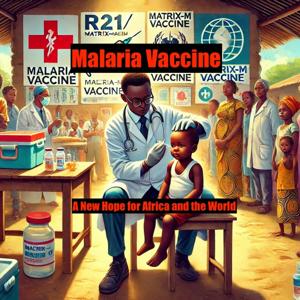
In Kenya's remote Wasini Island, where malaria remains endemic alongside diseases like typhoid and diarrhea, health workers at the local dispensary are pushing routine vaccinations to protect children, Gavi, The Vaccine Alliance reported on January 15. Nurse Hassan Arafat Mruche noted scarce resources, including recent refrigerator upgrades for vaccine storage, yet monthly targets of immunizing 27 infants and 58 to 60 under-fives are being met through community mobilizers and school partnerships. While no diarrhea deaths occurred last year, malaria persists as a key threat in the area lacking proper sanitation.
Research breakthroughs offer fresh hope for malaria prevention beyond current vaccines. NIH researchers, led by Joshua Tan, identified novel antibodies targeting a unique epitope on Plasmodium parasites, distinct from the circumsporozoite protein in vaccines like RTS,S (Mosquirix) and R21, BioXconomy detailed on January 14. Using an antigen-agnostic platform on plasma from exposed individuals, the team found these monoclonal antibodies provided sterile protection in mouse models, potentially complementing existing shots with no overlap in binding. Tan called it a reversal of traditional methods, opening doors to combination therapies after 50 years of CSP-focused study.
Transmission-blocking vaccines also advanced with a January 15 Malaria World study showing epitope-specific competitive ELISA assays can predict PfS230D1 vaccine activity in feeding assays, aiding scalable clinical trials. Meanwhile, Eyam Health announced a UK-Canada collaboration on January 15 with iiDiagnostics and Liverpool School of Tropical Medicine to test next-generation platforms, though initially for SARS-CoV-2, it ties into broader infectious disease work with Medicines for Malaria Venture.
These developments underscore a multifaceted push against malaria, blending vaccination drives, antibody innovation, and diagnostic tools amid persistent challenges in high-burden areas.
This content was created in partnership and with the help of Artificial Intelligence AI



 View all episodes
