# Malaria Vaccine Expansion Marks Major Progress in Global Disease Control
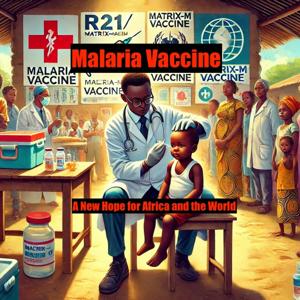
Recent developments in malaria vaccination demonstrate significant strides in protecting children across Africa, with expanded rollouts and real-world effectiveness data reshaping disease prevention efforts.
According to The Lancet Global Health, an interim phase 4 analysis shows that children receiving the RTS,S/AS01E malaria vaccine experienced markedly lower rates of malaria and severe malaria compared with unvaccinated peers. The vaccine, developed by GSK and first recommended by the World Health Organization in 2021, targets Plasmodium falciparum, the deadliest malaria parasite. Administered as a four-dose series between five months and two years of age, the vaccine has demonstrated promising real-world effectiveness across multiple African countries including Ghana, Kenya, and Malawi, where pilot implementations were initially rolled out.
Researchers found that vaccinated children had substantially fewer clinical malaria cases and hospitalizations for severe malaria, even in regions where insecticide-treated bed nets and other preventive measures were widely used. The findings confirm that integrating the vaccine into existing immunization programs can lead to meaningful reductions in disease burden and potentially save thousands of young lives annually.
In Malawi, practical implementation efforts are yielding encouraging results. According to reporting from Gavi, the Vaccine Alliance, Chileka Health Centre vaccinated over 3,061 children in 2025 alone, surpassing initial targets. The Ministry of Health, with support from UNICEF and funding from the German Government, has rolled out the vaccine across 11 malaria-implementation districts in the country. Community engagement has proven essential, with traditional leaders, community volunteers, and early childhood development centers receiving training to counter vaccine hesitancy and dispel myths.
Early indicators suggest the vaccine's impact extends beyond individual protection. Caregivers at Heaven Nursery School have observed reduced absenteeism among children, with young students attending school more regularly due to improved health outcomes. This broader community benefit underscores the vaccine's role in strengthening health infrastructure and family engagement with immunization services.
The malaria vaccine's expansion continues globally, with Practice Nurse reporting that the vaccine has now been extended to 24 African countries. This widespread adoption reflects growing confidence in the vaccine's safety and efficacy as a practical addition to malaria control strategies.
However, challenges persist. Storage capacity remains limited at some health facilities, and continuous staff training is essential given turnover rates. Vaccine hesitancy, though declining, still affects uptake in some communities. Meanwhile, the emergence of antimalarial drug resistance in multiple African countries underscores the importance of complementary prevention strategies.
Despite these obstacles, the convergence of real-world effectiveness data, expanding geographic coverage, and grassroots community support positions the malaria vaccine as a transformative tool in the decades-long fight against one of Africa's most devastating diseases. Sustained funding and logistical support will be crucial to maintaining momentum and ensuring equitable access across high-transmission regions.
This content was created in partnership and with the help of Artificial Intelligence AI



 View all episodes
