Global efforts to control malaria are entering a pivotal phase, as new vaccines and tools save lives even while drug resistance and funding gaps threaten to stall progress. A new World Health Organization news release on the World Malaria Report 2025, issued this week, estimates that wider use of innovations such as malaria vaccines, next-generation bed nets and preventive medicines helped avert around one million deaths from malaria in the last year. According to WHO, these tools are being rolled out alongside traditional measures like insecticide-treated nets and rapid diagnostic tests, forming a broader arsenal against a disease that still kills hundreds of thousands annually, mostly young children in sub-Saharan Africa.
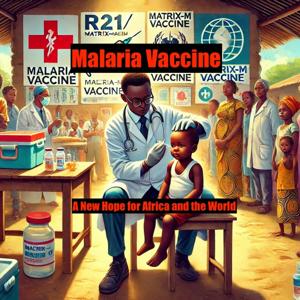
Central to this evolving strategy are the two WHO-recommended childhood vaccines, RTS,S and R21. WHO explains in its latest question-and-answer briefing on malaria vaccines that both products have demonstrated strong and comparable performance in clinical trials, cutting malaria cases by more than half in the first year after vaccination among young children, with a fourth dose extending protection into the second year of life. When used in highly seasonal transmission areas alongside seasonal malaria chemoprevention, the vaccines have reduced malaria episodes by about 75 percent. Drawing on data from pilot introductions of RTS,S in Ghana, Kenya and Malawi between 2019 and 2023, WHO reports a 13 percent fall in all-cause mortality among vaccine-eligible children and marked drops in hospital admissions for severe malaria, evidence that has underpinned the push for wider deployment.
That rollout is now gathering speed. WHO reports that by the end of 2025, more than 10 million children per year are being targeted for vaccination across 24 African countries through routine immunization programs supported by Gavi, UNICEF and national health ministries. At least 30 countries on the continent have plans to incorporate a malaria vaccine into their national strategies, and those already offering doses range from Ghana, Nigeria and Kenya to Ethiopia, the Democratic Republic of the Congo and Uganda. With the addition of R21, WHO says that supply is now sufficient to meet current demand, resolving earlier concerns that manufacturing capacity might limit access as more countries sought to introduce the vaccines.
Yet the new World Malaria Report and accompanying statements from partners underscore that scientific progress is running into old obstacles. The Global Fund to Fight AIDS, Tuberculosis and Malaria, in a statement by executive director Peter Sands responding to the report, warns that antimalarial drug resistance and chronic underfunding are undermining the gains achieved by vaccines and other tools. WHO’s analysis shows that partial resistance to artemisinin, the backbone of modern malaria treatment, has now been confirmed or suspected in at least eight African countries, raising fears that first-line therapies could become less effective just as new prevention methods are scaling up. United Nations News, summarizing the report, notes that while 47 countries and one territory have now been certified malaria-free and coverage of vaccines and seasonal chemoprevention has expanded, global investment still falls short of what is needed to meet agreed elimination targets.
Experts say that against this backdrop, malaria vaccines are not a silver bullet but a critical new layer of protection. WHO stresses that the greatest impact comes when vaccination is combined with other recommended interventions and tailored to local patterns of transmission. Health agencies are now urging donors and governments to close funding gaps so countries can move from pilot projects to nationwide vaccination, warning that without sustained support, the promise of RTS,S and R21 to transform child survival in high-burden regions could be blunted just as it begins to be realized.
This content was created in partnership and with the help of Artificial Intelligence AI



 View all episodes
