In Malawi, malaria continues to exert a heavy toll on the health system, with the Public Health Institute of Malawi reporting 51,408 cases and 8 deaths in Week 4 of 2026, amid peak transmission season. This slight dip in cases from prior weeks still underscores urgent needs for rapid diagnostic tests, antimalarial drugs, and long-lasting insecticidal nets, as health facilities prioritize severe cases to curb rising mortality.
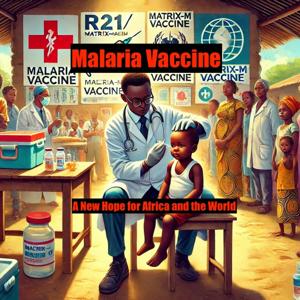
Recent studies affirm the growing impact of the RTS,S/AS01E malaria vaccine, first rolled out in Ghana, Kenya, and Malawi. An interim analysis of the EPI-MAL-003 study, published in The Lancet and highlighted by Human Progress on February 6, reveals robust real-world effectiveness. Over 12 months post-third dose, it showed a 30% reduction in all malaria cases and a 58% drop in severe malaria among vaccinated children, with no cerebral malaria incidents in the follow-up group. These findings bolster confidence in the vaccine's role within routine immunization programs.
While no major vaccine breakthroughs emerged in the past two days, ongoing surveillance ties into broader efforts. GSK's pipeline, updated February 4, emphasizes infectious disease vaccines, including malaria candidates in Phase II/III trials, signaling sustained industry momentum. Gavi, the Vaccine Alliance, on February 6 discussed strategies to combat health misinformation, indirectly supporting vaccine uptake amid malaria campaigns.
Malawi's bulletin stresses vigilant case management and supply chains, with districts like those facing reporting delays urged to improve timeliness. Community workers are ramping up net promotion, while global data reinforces vaccination as a cornerstone against this persistent killer, which claims hundreds of thousands of lives yearly, mostly in Africa. These developments highlight incremental progress in a protracted battle.
This content was created in partnership and with the help of Artificial Intelligence AI



 View all episodes
