
Sign up to save your podcasts
Or

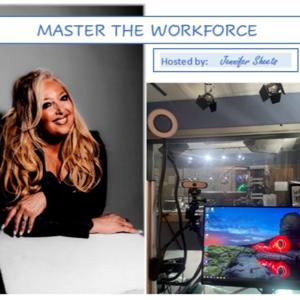


In this Mother’s Day episode of Mastering the Workforce on Super Talk 99.7, host Jennifer Sheets and producer Kevin Mumphrey dive into the ongoing Hollywood Writers Guild of America (WGA) strike. While it may seem like an isolated Hollywood issue, the hosts break down how the core conflicts—gig work, streaming platform compensation, and the rapid advancement of Artificial Intelligence—serve as a warning sign for the broader workforce across all industries.
Key Discussion Points
The Streaming Era & "Gig Work" Writing:The shift from traditional network television to streaming platforms (Netflix, Hulu, etc.) has fundamentally changed how writers are paid. While network television typically offered 22-episode seasons and established residual pay for reruns, streaming platforms favor shorter 8-to-10-episode seasons with virtually no residual structures. This has reduced scriptwriting from a stable career to low-paying "gig work."
The AI Battleground:A major sticking point in the strike negotiations is the use of AI (like ChatGPT and Jasper). Writers want to ban AI from generating or rewriting literary material to protect their jobs and the integrity of storytelling. However, the Alliance of Motion Picture and Television Producers (AMPTP) rejected this proposal, offering instead to hold annual meetings to discuss the technology.
Economic Ripple Effects:The strike doesn't just affect the 20,000 WGA members; it halts a massive economic ecosystem. When a production shuts down, it immediately impacts actors, directors, caterers, equipment suppliers, and local businesses in filming hubs like California and Tennessee. The hosts noted that the 2007 strike resulted in an estimated $2.1 billion loss, and this strike could be even more devastating.
The Rise of Unscripted Television:Just as the 100-day strike in 2007 paved the way for a boom in reality TV (such as The Apprentice), viewers can expect to see a massive pivot back to dating shows and unscripted television as studios look for cheaper, script-free ways to produce content during the halt.
The Ultimate TakeawayThe issues facing Hollywood writers are coming for other sectors. The ongoing battle over whether AI should serve strictly as an efficiency tool or be used to replace human labor entirely is a conversation every industry will soon have to face.
Nashville's Eras Tour TakeoverThe episode opens with the local economic and social impact of Taylor Swift's three-show weekend. The discussion highlights the massive influx of visitors, creative ticket acquisition stories, and the strategic up-charging of $10 artist-branded rain ponchos.
The Zero-Emission Shift in Commercial TruckingTransitioning to the supply chain, the focus shifts to the ACT (Advanced Clean Transportation) Expo in Anaheim and the aggressive industry push toward electric, natural gas, and hydrogen-powered commercial fleets. Key insights include:
Workforce Fallout: A massive retraining effort will be required for current diesel mechanics to service advanced fuel-agnostic and automated powertrains (like those debuted by Cummins and ZF Group).
Driver Impact: As the current driver demographic ages (majority 45+), the push for autonomous and EV fleets is accelerating. This technological shift, executed without direct input from truckers, carries a high risk of severe pushback or organized strikes.
The "Power of Proximity" in MentorshipAnalyzing a recent New York Times article and a Federal Reserve Bank study, the conversation tackles the hidden career costs of remote work for young professionals (under 30). Jennifer argues that Slack and Zoom environments fail to replicate the nuanced, in-person mentorship, unfiltered feedback, and problem-solving exposure required for long-term career growth, pushing back against advocates of an exclusively remote "future of work."
Diffusing Awkward Office MomentsA lighthearted segment featuring Reader's Digest-style workplace humor. The stories cover common professional missteps, including botched raise negotiations, navigating clueless leadership, and the universal disconnect between employees and IT departments.
The Hollywood Writers Strike & AIDrawing on independent film production experience, Kevin provides industry context on the WGA strike and the shifting landscape for writers. The core conflicts discussed include:
The Loss of the Writers' Room: Studios are isolating writers to work remotely from home, breaking down the traditional collaborative environment.
Streaming Royalties: Writers are fighting for residual income in a streaming model where producers are simultaneously bleeding money to capture market share.
The AI Threat: The looming existential risk of studios utilizing AI to rapidly generate baseline scripts to bypass human writers and cut costs.
This episode of Mastering the Workforce with Jennifer Sheets breaks down the shifting dynamics of the 2023 labor market, focusing on surprising job growth, the looming disruption of artificial intelligence, and the unexpected fallout from 2022's Great Resignation.
Key Episode Takeaways:
State of the Labor Market: Despite recession fears, the U.S. added 517,000 jobs in January 2023, dropping the unemployment rate to 3.4%. Hiring is surging across hospitality, construction, and IT. Wage increases are continuing but face pressure from inflation, and the Southern U.S. is currently leading the nation in new business formations.
The AI & ChatGPT Disruption: The rapid rise of AI is simultaneously creating new tech jobs and threatening traditional white-collar roles in fields like accounting and law. While tools like ChatGPT are making waves (and potentially threatening Google's search dominance), current limitations with factual accuracy, plagiarism, and a lack of conversational nuance mean the technology is not yet ready to fully replace human workers.
The Great Resignation Regret: Of the 47 million Americans who quit their jobs in 2022, a recent Paychex survey suggests up to 80% now regret the decision—especially Gen Z (89%) and Millennials (77%). Workers primarily left seeking better work-life balance, advancement opportunities, and respect. However, many found the grass wasn't greener, and only 43% of employers are currently willing to rehire former employees who walked away.
The Push for Human-Centric Work: In a stark irony, IT professionals—the very workforce automating many modern systems—are experiencing high turnover rates and explicitly calling for employers to adopt more human-centric work models, proving that flexibility and employee appreciation remain critical for retention.
ABOUT:
In our final episode of this topic, we wrap up our insightful and "eye opening" conversation with our special guest Patrick Cammack, who is the Executive Director of Economic Development for an area that is a suburb of Nashville, TN.
ABOUT:
In part 3 of this episode, we have special guest Patrick Cammack, who is the Executive Director of Economic Development for an area that is a suburb of Nashville, TN.
We discuss the issues facing economic growth, how Mr. Cammack found this as his career path and where the country is heading in regards to growth. This segment also includes insight into the changing workforce and how it may never be the same.
ABOUT:
In part 2 of this episode, we continue our discussion with special guest Patrick Cammack, who is the Executive Director of Economic Development for an area that is a suburb of Nashville, TN.
We discuss the issues facing economic growth, how Mr. Cammack found this as his career path and where the country is heading in regards to growth.
From the publisher's feed