
Sign up to save your podcasts
Or

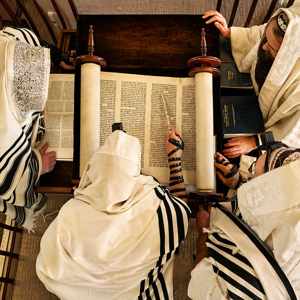


The spies sent to spy out the land of Canaan saw giants and warned the people not to enter the land. The Torah says that the giants in Canaan were Nephilim. Here's the story of how Caleb and Joshua not only saw the giants in Canaan, they defeated them too.
The spies sent to spy out the land of Canaan saw giants and warned the people not to enter the land. The Torah says that the giants in Canaan were Nephilim. Here's the story of how Caleb and Joshua not only saw the giants in Canaan, they defeated them too.
Gender identity has never been a more polarizing issue than it is today, but here's a Beth Immanuel teaching from back in 2011 about the difference between boys and girls and the stuff they are made of. Despite our differences, we share the same high calling of our Master, the call to discipleship.
What is reality? It's not what you think. Or maybe it is what you think--and that's the problem. Here's a discussion on the nature of prophecy and how it relates to getting in touch with Absolute Reality.
Why do we read the book of Ruth on Shavuot? This inquiry into the origin of the custom takes us on an Indiana Jones style adventure to find the authentic tomb of King David.
Why do we read the book of Ruth on Shavuot? This inquiry into the origin of the custom takes us on an Indiana Jones style adventure to find the authentic tomb of King David.
The first commandment at Mount Sinai was "I am the LORD your God who took you out from Egypt, out of the house of slavery" (Exodus 20:2). Why did God introduce himself this way instead of as the God "who Created of the Universe"? In this lecture we will explore the meaning of implications of faith (emunah) as the foundation of our life's journey to the Kingdom.
What did Maimonides say about Yeshua of Nazareth? In the uncensored version of Mishneh Torah, the Rambam states that Yeshua of Nazareth cannot be "the one promised in the Torah," but he remains conspicuously silent about the messianic prophecies in the books of the Prophets, particularly the prophecies about a suffering Messiah. In this episode, Ami Buckles argues from the deafening silence that Rambam considered that Yeshua might qualify as Mashiach ben Yosef, the suffering Messiah. Listen in on Ami's conversation with D. T. Lancaster.
Yeshua teaches in the Nazareth synagogue and proclaims "liberty to captives and freedom to prisoners" in reference to the Juibilee laws of Leviticus 25. This discussion on the mitzvah of redeeming captives considers the plight of "the infant taken captive and raised by strangers."
Links:
Sudan Interior Mission
Christial Solidarity International
What did Maimonides say about Yeshua of Nazareth? In the uncensored version of Mishneh Torah, the Rambam states that Yeshua of Nazareth cannot be "the one promised in the Torah," but he remains conspicuously silent about the messianic prophecies in the books of the Prophets, particularly the prophecies about a suffering Messiah. In this episode, Ami Buckles argues from the deafening silence that Rambam considered that Yeshua might qualify as Mashiach ben Yosef, the suffering Messiah. Listen in on Ami's conversation with D. T. Lancaster.
From the publisher's feed