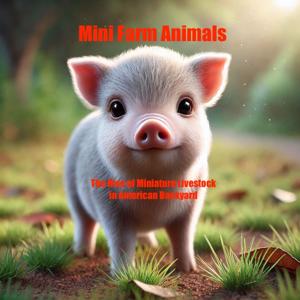
Imagine strolling through a suburban neighborhood where, instead of the usual sights of neatly trimmed lawns and flower beds, you find miniature farm animals dotting the yards. Tiny goats leap playfully over small hay bales, a miniature cow grazes serenely in the backyard, and a pair of mini pigs snuffle curiously around a compact garden. It’s a charming, almost idyllic scene—one that’s becoming increasingly common across America as the trend of adopting and raising miniature farm animals grows. But this isn’t just a fleeting fancy. The rise of mini farm animals, or "micro-livestock," reflects a broader cultural shift towards sustainable living, urban farming, and the desire for more intimate, personalized experiences with animals. These pint-sized versions of traditional livestock are not only endearing but also serve practical purposes, offering a touch of rural life to those living in urban or suburban settings. The Appeal of Mini Farm Animals: A Lifestyle Choice At the heart of this trend lies a yearning for connection—to nature, to the origins of our food, and to the animals that provide it. As more people become aware of the environmental impacts of large-scale agriculture and the benefits of sustainable living, they are increasingly drawn to the idea of raising their own food, even in small quantities. Mini farm animals make this possible on a scale that’s manageable for those with limited space. For instance, a full-sized cow might be impractical for someone living on a few acres, but a miniature cow, like the Dexter or Miniature Hereford, is perfectly suited to small-scale farming. These breeds require less space and produce less waste, while still providing a modest supply of milk or beef. Similarly, Nigerian Dwarf Goats, which are about the size of a large dog, are ideal for producing milk on a smaller scale. Their milk is rich and creamy, perfect for making cheese, yogurt, or soap. But it’s not just about practicality. The emotional connection people form with these animals is a significant part of their appeal. Mini pigs, for example, are intelligent, social creatures that bond strongly with their human caretakers. They’re often described as being as affectionate and loyal as dogs, and their small size makes them easier to care for in a home setting. Miniature goats, too, are known for their playful and friendly nature, making them delightful companions as well as productive members of a mini farm. Social Media’s Role in Popularizing Mini Farm Animals The rise of social media has also played a critical role in the popularity of mini farm animals. Instagram, TikTok, and YouTube are filled with images and videos of tiny goats wearing sweaters, mini pigs taking baths, and miniature cows frolicking in fields. These posts often go viral, capturing the hearts of millions and inspiring others to bring a bit of this bucolic charm into their own lives. This social media-driven exposure has turned mini farm animals into something of a cultural
This content was created in partnership and with the help of Artificial Intelligence AI.