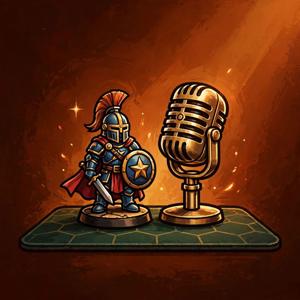
Listeners lock onto the cloak line before anyone slides a figure onto the mat. On an actual-play show the host has already spent the cold open on a torn hem, a bone staff, and a limp. A generic token cannot carry that sentence. Hosts who need the table to match the audio often start with a miniature generator then decide whether the figure is worth putting on camera for the rest of the episode.
A host can spend the cold open naming a scar, a staff, and a torn hem. That time is wasted when the only figure on the table is a neutral fighter from a bits box. Listeners who watch the recording see a sword where the episode promised a staff, and the next recap has to explain the swap. The continuity bill is a spoken correction, not a printer receipt.
The Line On The Mic Is Already A SpecActual-play audio is a specification whether the host meant it that way or not. Once you say bone staff, the staff is part of the episode. Once you say the cloak is torn on the left, a whole cloak on the figure makes the line sound like a mistake. Podcast listeners are used to holding a picture in their head. The moment you also show a camera, that picture gets audited.
A bits box solves a different problem. It gives you a body that reads as a person from across a room. It does not store the sentence you just said. Shows that only publish audio can live with that gap. Shows that post a still of the table, or a vertical clip of the combat, cannot. The figure becomes a quote. If the quote is wrong, the episode argues with itself.
Why A Token Cannot Carry Spoken GearTokens fail in a specific order. The silhouette can be fine and the gear can still be wrong. A round base and a human outline satisfy a map. They do not satisfy a cold open that named a weapon. Hosts often notice this only when they scrub the recording for a clip and see the mismatch in the same frame as their own voice.
Cloaks And Weapons Drift Off The TokenCloaks and weapons drift first because they are the words people repeat. A staff becomes a sword because that was the token in the drawer. A torn hem becomes a clean cape because no stock figure is sold with a tear. The drift is visible in a still even when the audio was careful. Chat will mention it. You then spend the start of the next episode repairing a picture instead of advancing the scene.
This is a review of the prop, not of the acting. The performance can be clear and the figure can still contradict it. If the camera stays on faces, you can hide the table. If the camera visits the mat during the fight, the figure has to survive that visit.
A Short Phrase Still Needs A PoseHosts talk in short phrases because the table is waiting. "Scarred orc, bone staff, torn cloak" is a normal line. It is also enough of a spec to expose a token, because the token has none of those three things. The missing piece is usually the pose. A staff held across the body reads differently from a staff used as a cane, and the limp you described needs the weight on one leg. A token cannot pick a leg.
Write the phrase down before you generate, in the same words you will say on the mic. If the figure comes back standing square and healthy, it does not match the episode, even if the species is right. Species was the easy part. The limp was the line.
How A Spoken Line Becomes A FigureThe text box on the tool is built for that kind of sentence. You describe the miniature you want to print, in ordinary language, the way the placeholder itself invites a knight with a sword and a shield. You do not pick a race from a menu and you do not assemble arms from a tray. Loreform then enhances the line with miniature details: a pose, a base, proportions, and printability, while trying to keep the intent you typed.
A bare word shows how far that enhancement goes. The published example starts from "a warrior" and comes back as a battle-hardened human in layered plate, with a longsword and a tower shield, standing in a defensive pose on a 25mm round base at 28mm heroic scale. That is useful when your cold open was thin. It is a problem when your cold open was specific. If you said bone staff, read the enhanced line before you accept it, because a default warrior wants a sword.
Concept previews come back first. The mesh usually finishes in two to five minutes, with progress you can watch, and most custom figures on the main product notes land around two minutes. That window fits a break in recording. It does not fit a live combat if you start typing when the dice are already in the air. Generate before the session, from the script, not during the silence after a crit.
Let The Prompt Add The BaseLet the enhancer add the base and the print notes. Do not spend the spoken spec on "28mm heroic" unless the show is about scale. Spend it on the scar, the staff, the tear, and which leg holds the weight. English is the language the tool says works best for those details, including ordinary fantasy gear names. A host who narrates in English can paste the cold-open sentence almost as said.
Then be the editor of the enhanced line. If the sword replaced the staff, put the staff back in your own words and generate again. The miniature maker is doing layout and print hygiene. You are still responsible for the sentence the audience heard. A maker that quietly upgrades a staff into a sword has not saved you time. It has created a contradiction you will have to say out loud later.
What Still Breaks A Live EpisodeOne figure is the job. The text tool is aimed at a single character or creature, not a full diorama. A camp, a gate, and three bodies in one prompt is the wrong request. Terrain and scenery belong on the separate terrain tool: altars, chests, campfires, portals. If the episode needs a room, build the room as its own piece. Stuffing the room into the character prompt makes both of them worse.
The other break is the clock. Two to five minutes is fine between sessions and useless inside a live fight. If the villain is invented at the table, you will not have a matching figure before the scene ends. Say that on the show or keep the camera off the mat. Pretending a stock token is the new monster restarts the drift you were trying to stop.
There is also a content break that audio hosts forget. A description that gets a laugh on the mic can produce a figure you do not want in the thumbnail. Read the preview the way a listener will, muted. If the pose is crueler than the joke, do not print it for the episode art. Loreform will generate what you asked for. It will not protect your thumbnail taste.
- Name the weapon you will say on the mic, not a nearby weapon.
- Name the injury or the limp if the cold open already did.
- Read the enhanced prompt before you accept a default sword.
- Generate before record, not during the fight.
Keep The Figure Honest To The EpisodeLoreform is a reasonable prop desk for an actual-play host whose episode already contains a specific sentence. It earns the spot when the figure can sit on the mat without forcing a correction in the recap. It is a poor fit for a show that never shows the table, and for a live fight you are inventing with no script.
Keep the figure honest to the line people will quote. If the staff, the tear, and the limp are not in the mesh, leave the camera on the faces. The audio can survive a missing model. It does not survive a model that argues with the host.