
Sign up to save your podcasts
Or

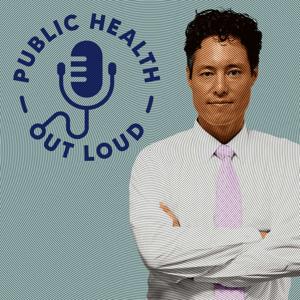

Misinformation is everywhere. And it has long-lasting implications for public health. In this week’s episode, we’re talking about the threat of fast-spreading, factually inaccurate information.
During COVID-19, Americans saw just how far misinformation could spread when national leaders began touting unproven remedies for COVID-19. The aftermath of misinformation can mean confusion, distrust, and, in the most serious circumstances, death.
Learn more about misinformation and the attack on science from our guest Tom Nichols, PhD, a professor at the U.S. Naval War College and Harvard Extension School. He is also the author of “The Death of Expertise: The Campaign Against Established Knowledge and Why It Matters.”
It only takes a quick internet search to find an answer to your question. But what happens when that answer isn’t correct? Listen to this week's episode to find out.
 View all episodes
 By Dr. Philip Chan, Rhode Island Department of Health
5
2121 ratings
Misinformation is everywhere. And it has long-lasting implications for public health. In this week’s episode, we’re talking about the threat of fast-spreading, factually inaccurate information.
During COVID-19, Americans saw just how far misinformation could spread when national leaders began touting unproven remedies for COVID-19. The aftermath of misinformation can mean confusion, distrust, and, in the most serious circumstances, death.
Learn more about misinformation and the attack on science from our guest Tom Nichols, PhD, a professor at the U.S. Naval War College and Harvard Extension School. He is also the author of “The Death of Expertise: The Campaign Against Established Knowledge and Why It Matters.”
It only takes a quick internet search to find an answer to your question. But what happens when that answer isn’t correct? Listen to this week's episode to find out.

112,484 Listeners
369,352 Listeners
6,423 Listeners
46 Listeners
10,495 Listeners