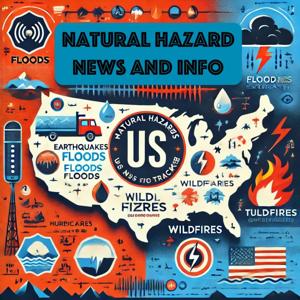
The United States has faced a relentless series of natural disasters in recent months, highlighted by widespread tornadoes, deadly floods, severe storms, wildfires, and economic losses that have outpaced previous years. According to Disaster Philanthropy, the tornado season of 2025 has already been exceptionally destructive, with over 724 tornadoes reported and at least 35 confirmed deaths this year. Particularly devastating was the outbreak on May sixteenth, when tornadoes swept across Kentucky, Missouri, and Virginia. St. Louis, Missouri, experienced an EF-3 tornado that killed five people, including three children, and damaged or destroyed approximately 5,000 structures. Kentucky saw the largest loss of life, with 23 fatalities, while entire communities across the region were left in ruins. Alert systems failed in some areas, compounding the tragedy, especially for underfunded and vulnerable neighborhoods.
As the tornadoes subsided, the central United States was immediately hit by severe flooding. On June eleventh and twelfth, San Antonio, Texas, endured nearly nine inches of rain within twenty-four hours, leading to flash floods that claimed 13 lives as vehicles were swept away and dozens required rescue. Just days later, northern West Virginia experienced four inches of rain in only thirty minutes, resulting in at least five deaths, multiple missing persons, and widespread power outages. These rapid, high-intensity storm systems have become a stark pattern, overwhelming both urban and rural infrastructure and straining local response efforts.
From March to early April, powerful thunderstorms and derechos—large, fast-moving windstorms—lashed a broad area from Texas to Pennsylvania. Winds reached up to seventy miles per hour, hundreds of thousands lost power, and tornadoes and flash floods added to the devastation. Arkansas and Kentucky were among the hardest hit, with Little Rock recording a foot of rain, nearly double its typical April rainfall. Oklahoma and Missouri were battered by multiple tornadoes, and Indiana suffered extensive damage just before planting season.
Wildfires, intensified by drought and wind, struck the western and southern states with alarming frequency. In March, more than 130 wildfires in Oklahoma scorched over 200,000 acres in two days, destroying hundreds of homes. According to Munich Re, wildfires around Los Angeles and severe convective storms—storms producing tornadoes, hail, and flash floods—made the United States the global leader in weather-related losses for the first half of 2025, with overall damages reaching 34 billion dollars, most of it insured.
Globally, major disasters include the recent magnitude 6.9 earthquake in the Philippines, killing at least 69 people, back-to-back powerful typhoons affecting Southeast Asia with high death tolls and damage, and catastrophic flooding in parts of Africa and Europe. ReliefWeb notes devastating floods in Mauritania, Senegal, and The Gambia, while Disaster Resilie
This content was created in partnership and with the help of Artificial Intelligence AI.