
Sign up to save your podcasts
Or

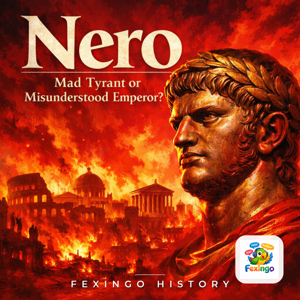


While many remember Nero for the fire of Rome or his artistic pursuits, a far more destructive event shaped his early reign: the catastrophic earthquake that leveled Pompeii, Herculaneum, and Naples in AD 62. This episode explores how this seismic disaster tested Nero’s capacity as emperor long before the Great Fire of 64. We look at the immediate aftermath, the massive financial outlays from the imperial treasury to rebuild infrastructure, and the political maneuvering that followed. Key figures like Seneca and Burrus navigated the crisis, while the city of Cumae and the wider Campania region faced devastation. Unlike previous episodes focusing on military victories or Greek games, we examine the logistical and humanitarian response to one of antiquity's worst natural disasters, revealing a side of Nero often overlooked by traditional narratives.
#AD62 #Nero #Pompeii #Herculaneum #Naples #Campania #Cumae #Seneca #Burrus #Tacitus #Suetonius #DomusAurea #RomanEmpire #Earthquake #ImperialTreasury #FexingoHistory #History #AncientRome
Keep every episode free: buymeacoffee.com/fexingo
While previous episodes have explored Nero’s cultural ambitions, legal reforms, and foreign diplomacy, this episode turns inward to examine the machinery of his later reign. We focus on the frumentarii, the imperial grain administrators who evolved into a pervasive network of spies and informers. By AD 65, these agents were not just monitoring food supplies but actively hunting political dissent, creating an atmosphere of paranoia that culminated in the Pisonian conspiracy. We look at how figures like Tigellinus weaponized bureaucracy against the senatorial class, and how the line between state security and personal vengeance blurred under Nero’s rule. Through the lens of the failed assassination plot against Nero, we see how fear replaced loyalty, ultimately isolating the emperor from the very people he needed to govern. This narrative challenges the simple 'mad tyrant' label by showing a ruler trapped by the systems of control he expanded.
#Nero #RomanEmpire #FexingoHistory #PisonianConspiracy #Tigellinus #frumentarii #Delatores #AD65 #Suetonius #Tacitus #ImperialSpyNetwork #RomanPolitics #SenatorialClass #DomusAurea #RomeHistory #AncientSpies #PoliticalParanoia #HistoryPodcast
Keep every episode free: buymeacoffee.com/fexingo
We often hear about Nero as a performer or a tyrant, but his administrative legacy in Roman law was profound and surprisingly modern. In this episode, we explore how Nero shifted the center of legal gravity from the Emperor’s personal whims to a class of professional jurists known as responsi praeclari. We look at the rise of figures like Gaius Julius Aquila, who helped codify justice during a time of imperial instability, and examine the Lex Maiestatis trials that defined treason in the early empire. By understanding the bureaucratic machinery behind the throne, we see a different side of Nero’s reign—one focused on stability, procedure, and the rule of law rather than just spectacle.
#Nero #RomanLaw #Jurisprudence #GaiusJuliusAquila #LexMaiestatis #ImperialRome #RomanHistory #LegalReform #FexingoHistory #AncientHistory #Suetonius #Tacitus #ClassicalAntiquity #RomanEmpire #JusticeSystem #HistoricalAnalysis #MediterraneanHistory #NeronianEra
Keep every episode free: buymeacoffee.com/fexingo
While most histories focus on Nero’s artistic ambitions or the Great Fire, this episode explores his forgotten strategic vision in the East. We trace the complex diplomatic dance between Rome and Parthia following the death of Vologases I. Lucas walks us through the Treaty of Rhandeia, a rare moment where Rome accepted a Parthian client king, Tiridates, rather than installing a puppet of their own choosing. Luna joins him to unpack why this peace was so controversial at home, how General Corbulo managed to enforce it without sparking a new war, and what happened when Nero’s successor decided to break the deal. We also look at the logistical nightmare of supplying legions in Armenia and the cultural exchange that followed, including the arrival of Palmyrene merchants in Roman territories.
#Nero #RomanHistory #ParthianEmpire #Armenia #GnaeusDomitiusCorbulo #TreatyOfRhandeia #TiridatesI #VologasesI #LegioXIIIFulminata #Melitene #Pars #Romani #Pontus #SilkRoad #Palmyra #AretasIV #FexingoHistory #AncientDiplomacy #History
Keep every episode free: buymeacoffee.com/fexingo
While history remembers Nero for the Great Fire and his artistic pursuits, he also achieved a significant military success in the East that has largely vanished from memory. This episode explores the AD 62 naval battle at Nicaea, where Roman forces under Gnaeus Domitius Corbulo secured a decisive victory over the Parthian fleet. We examine how this engagement fit into the broader Treaty of Rhandeia, which ended years of conflict over Armenia without further bloodshed. The conversation delves into the strategic importance of controlling the Pontic coast and the role of local allies like Tiridates in stabilizing the region. By looking at primary sources such as Tacitus and Pliny the Elder, we reconstruct the events leading up to the clash and its immediate aftermath. You will learn about the specific tactics used by Lucius Senio and the political maneuvering behind the scenes that allowed peace to hold. This story offers a nuanced view of Nero’s reign, balancing his well-documented eccentricities with genuine diplomatic and military competence.
#Nero #GnaeusDomitiusCorbulo #ParthianEmpire #TreatyOfRhandeia #Nicaea #RomanNavy #ArmeniaHistory #Tacitus #PlinyTheElder #LuciusSenio #TiridatesI #VologasesI #Pontus #AncientNavalWarfare #RomanMilitaryHistory #MediterraneanHistory #FexingoHistory #HistoryPodcast #ClassicalAntiquity
Keep every episode free: buymeacoffee.com/fexingo
While history often remembers Nero for the Great Fire of Rome, his response to the devastating earthquake of AD 62 reveals a different side of his character. This episode explores how the emperor channeled imperial resources into rapid reconstruction efforts across Campania and the wider Mediterranean. We examine the architectural innovations used in rebuilding Pompeii and Herculaneum, and how Nero’s personal involvement in relief efforts challenged the narrative of the self-indulgent tyrant. By looking at archaeological evidence alongside historical accounts from Tacitus and Suetonius, we uncover a story of administrative competence and genuine concern for Roman citizens. The discussion also touches on the political implications of such public works, including the construction of the Domus Aurea and its relationship to urban planning. Join Lucas and Luna as they dig beneath the surface of one of antiquity’s most misunderstood leaders.
#Nero #RomanHistory #AD62Earthquake #Pompeii #Herculaneum #DomusAurea #Tacitus #Suetonius #Campania #RomanArchitecture #ImperialRelief #FexingoHistory #AncientRome #Archaeology #Seneca #Burrus #MediterraneanHistory #RomanEmpire #HistoryPodcast
Keep every episode free: buymeacoffee.com/fexingo
While history remembers Nero for the Great Fire and his golden palace, his passion for the Olympic Games offers a different lens into his reign. In this episode, we explore the chaotic 67 AD games held across Greece, where Nero imposed Roman rule on ancient traditions. We examine how he manipulated the Hellanodikai to award himself victory in events he barely participated in, from chariot racing to tragedy. This cultural imperialism sparked resentment among the Greek elite who saw their sacred festivals turned into propaganda. We also look at the broader political fallout of his 'Libertas Graeca' declaration, which freed Greek cities from taxes but came with strings attached. Join Lucas and Luna as they dissect the intersection of art, power, and politics in the Roman East.
#Nero #RomanEmpire #OlympicGames #AncientGreece #Caligula #GreekCulture #ImperialPropaganda #Hellanodikai #Achaea #LibertasGraeca #TiberiusJuliusAlexander #IsthmianGames #Corinth #Epidauros #Delphi #RomeHistory #FexingoHistory #HistoryPodcast
Keep every episode free: buymeacoffee.com/fexingo
While most histories focus on Nero’s domestic scandals or his artistic pursuits, there is a quieter, more strategic side to his reign that often goes unnoticed. This episode explores Nero’s diplomatic engagement with the East, specifically his handling of the Parthian Empire and the rise of Queen Zenobia’s predecessor in Palmyra. We examine how Nero balanced military restraint with economic opportunism, allowing trade routes through Petra and Palmyra to flourish while avoiding costly wars. Lucas and Luna discuss the Treaty of Rhandeia, the role of King Aretas IV of Nabataea, and how Nero’s policies created a brief period of stability that benefited merchants from Rome to India. By looking at the flow of silk, incense, and gold, we see an emperor who understood that profit sometimes outweighs conquest, challenging the traditional narrative of him as merely a mad tyrant.
#Nero #RomanEmpire #Palmyra #SilkRoad #ParthianEmpire #Zenobia #AretasIV #Nabataea #Petra #TradeRoutes #AncientHistory #Diplomacy #MediterraneanHistory #RomanEast #TreatyOfRhandeia #IncenseTrade #FexingoHistory #HistoryPodcast #ClassicalAntiquity
Keep every episode free: buymeacoffee.com/fexingo
For over a decade, we’ve traced Nero’s complex legacy through the Armenian peace, the Great Fire, and his controversial Greek games. But there is one ambition that remained entirely unrealized, a geopolitical fantasy that never left the drawing boards of Rome. In this episode, Lucas and Luna explore Nero’s secret preparations for a war against Parthia that was cancelled before it began. We look at the strategic logic behind targeting the Euphrates frontier, the specific legions stationed in Melitene, and the political maneuvering required to keep such a massive mobilization hidden from the Senate. This story reveals a different side of Nero—not just as a performer or a tyrant, but as a strategist who understood the delicate balance of power in the Roman East. We examine how the death of key generals and the shifting tides of court politics dismantled these plans, leaving only fragments of correspondence and military logs as evidence of an empire that almost expanded further east than any emperor before him.
#Nero #RomanHistory #ParthianEmpire #GnaeusDomitiusCorbulo #TreatyOfRhandeia #EuphratesFrontier #LegioXIIxFulminata #Melitene #VologasesI #Tiridates #Pars #Romani #Pontus #AncientMilitaryStrategy #FexingoHistory #History #MediterraneanHistory #ImperialRome
Keep every episode free: buymeacoffee.com/fexingo
While history often paints Nero as a chaotic tyrant obsessed with performance, his administration actually introduced some of the most progressive legal reforms in Roman history. This episode explores how Nero shifted judicial power away from the Emperor’s personal whim and toward independent courts, particularly through the establishment of the Quaestio de Vi, or the standing court for public violence. We examine the role of Gaius Julius Alpinus Classicianus, the proconsul of Britain, who advised Nero to strip provincial governors of their sole authority over life and death, arguing that impartial tribunals fostered loyalty rather than resentment. We also look at the controversial execution of Silius Italicus, a renowned poet accused of treason under the law of majesty, which highlights the tension between artistic freedom and imperial security. By focusing on these specific legal cases and administrative changes, we move beyond the myths of fire and gold to see a ruler attempting to modernize Roman jurisprudence, offering a nuanced view of justice in the first century AD.
#Nero #RomanLaw #QuaestioDeVi #GaiusJuliusAlpinusClassicianus #SiliusItalicus #RomanJustice #ProvincialGovernors #LexMaiestatis #TreasonTrial #AD64 #AncientRome #ImperialAdministration #JudicialReform #ClassicalHistory #RomanEmpire #MediterraneanHistory #FexingoHistory #History
Keep every episode free: buymeacoffee.com/fexingo
From the publisher's feed