
Sign up to save your podcasts
Or

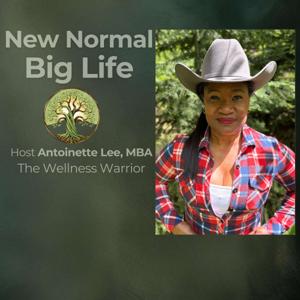


Cabin and rural living looks extraordinary on Instagram and genuinely unglamorous at 2 a.m. when your well pump fails, a predator is in the yard, and the nearest emergency room is 45 minutes away. This solo episode lays out 13 realities that most homesteading content skips entirely: well water maintenance, wood heat logistics, propane deliveries, septic systems, gravel roads, spotty cell service, wildlife and predator management, seasonal isolation, and the critical importance of building reliable local community before you need it. The rural life is worth it — but only if you go in with clear eyes.
CHAPTERS:
0:00 Introduction: The Real Rural Life
3:00 Water: Wells, Sourcing, and Contamination
6:00 Wood Heat and Propane: The Realities
9:00 Predator Management and Wildlife
11:30 Internet Blackouts and Cell Service
13:00 Healthcare Gaps and Emergency Planning
15:30 Seasonal Isolation and Building Local Community
Subscribe wherever you get podcasts. New episodes weekly. NewNormalBigLifePodcast.com
We want to solve your biggest health challenge. Send us a text
BeRootedInSupport the show
New here? Start with our 8‑episode playlist: https://nnbl.blog/podcast/start-here/
Free listener ebooks & guides (newsletter subscribers only): https://nnbl.blog/new-normal-big-life-ebooks-and-guides/
Rebuilding Resilient Lives Uncensored Community: https://rebuilding-resilient-lives.mn.co/share/kNbNMRnkLlpKWjar?utm_source=manual
New Normal Big Life streams free in audio and video on Spotify and Apple Podcasts.
As an Amazon Associate I earn from qualifying purchases.
DISCLAIMER: For informational purposes only, not medical advice. Always consult your own healthcare professional.
Blood sugar shouldn’t feel like a roller coaster. We sat down with functional medicine expert Dr. Kevin Smith to unpack how metabolism really works, across hormones, immune function, gut health, and brain, and why so many people feel hungry, foggy, and exhausted even while “doing everything right.” Dr. Smith explains insulin resistance in plain language, how to achieve hormone balance, nutrition tips, how cells make ATP, and the hidden ways stress and sleep shape glucose levels. He also challenges old grazing advice and shows how intermittent fasting and smart macronutrients can re-sensitize insulin, stabilize energy, and support autophagy for cellular cleanup. This episode is featured in USA News.
Chapters
New episodes weekly.
We want to solve your biggest health challenge. Send us a text
BeRootedInSupport the show
New here? Start with our 8‑episode playlist: https://nnbl.blog/podcast/start-here/
Free listener ebooks & guides (newsletter subscribers only): https://nnbl.blog/new-normal-big-life-ebooks-and-guides/
Rebuilding Resilient Lives Uncensored Community: https://rebuilding-resilient-lives.mn.co/share/kNbNMRnkLlpKWjar?utm_source=manual
New Normal Big Life streams free in audio and video on Spotify and Apple Podcasts.
As an Amazon Associate I earn from qualifying purchases.
DISCLAIMER: For informational purposes only, not medical advice. Always consult your own healthcare professional.
Lynne Bowman, author of Brownies for Breakfast, makes the case that blood sugar mismanagement is the number one aging accelerator, outpacing even smoking and chronic stress. This conversation is a masterclass in using epigenetics to override what you thought was inevitable.
WHAT YOU'LL LEARN:
- Why genetics account for less than a third of your aging trajectory
- How blood sugar dysregulation accelerates aging at the cellular level
- Why strength training after 50 is non-negotiable for muscle, bone density, and brain health
- What epigenetics means practically and how your daily choices rewrite your genetic expression
KEY TAKEAWAYS:
- Lifestyle is the primary driver of how you look, feel, and function as you age
- Joy, play, and social engagement are biological necessities — not luxuries
- You can begin reversing accelerated aging at any age through consistent small changes
- Blood sugar stability may be the single most powerful anti-aging intervention available
CHAPTERS:
0:00 Introduction and Lynne Bowman's Story
9:00 Genetics vs. Lifestyle — What the Research Really Shows
20:00 Blood Sugar as the Hidden Aging Accelerator
31:00 Strength Training, Bone Density, and the Brain After 50
42:00 Epigenetics and Rewriting Your Health Story
52:00 Joy and Social Engagement as Medicine
57:00 Key Takeaways and Closing
Subscribe wherever you get podcasts. New episodes weekly. | NewNormalBigLifePodcast.com
We want to solve your biggest health challenge. Send us a text
Disclaimer
BeRootedInSupport the show
New here? Start with our 8‑episode playlist: https://nnbl.blog/podcast/start-here/
Free listener ebooks & guides (newsletter subscribers only): https://nnbl.blog/new-normal-big-life-ebooks-and-guides/
Rebuilding Resilient Lives Uncensored Community: https://rebuilding-resilient-lives.mn.co/share/kNbNMRnkLlpKWjar?utm_source=manual
New Normal Big Life streams free in audio and video on Spotify and Apple Podcasts.
As an Amazon Associate I earn from qualifying purchases.
DISCLAIMER: For informational purposes only, not medical advice. Always consult your own healthcare professional.
Up to 70 percent of your immune system lives in your gut, and your skin is the first place it signals distress. This solo episode breaks down the gut-skin axis, explaining why topical creams treat the symptom while leaving the root cause untouched. If eczema or acne has followed you for years despite conventional treatment, the answer may be on your plate, not in your medicine cabinet.
WHAT YOU'LL LEARN:
- How gut dysbiosis drives visible skin inflammation through the gut-skin axis
- Which common foods — gluten, dairy, seed oils, refined sugar — are most likely triggering your flares
- Why leaky gut allows bacterial endotoxins into the bloodstream and what that means for your skin
- Which supplements have the strongest evidence for skin health: probiotics, collagen, zinc, omega-3s
KEY TAKEAWAYS:
- Healing the gut takes 3 to 6 months — there are no shortcuts with topical creams
- Skin conditions are almost always systemic issues, not local ones
- Eliminating the top dietary triggers often clears skin faster than any prescription
- Addressing the root cause protects your long-term immune function, not just your complexion
CHAPTERS:
0:00 Introduction: Why Your Skin Is a Gut Story
5:00 Understanding the Gut-Skin Axis
12:00 Leaky Gut, Endotoxins, and Systemic Inflammation
19:00 The Top Dietary Triggers to Eliminate First
27:00 Evidence-Backed Supplements for Skin Healing
33:00 Realistic Timelines and What to Expect
36:00 Key Takeaways and Closing
Subscribe wherever you get podcasts. New episodes weekly. | NewNormalBigLifePodcast.com
We want to solve your biggest health challenge. Send us a text
Disclaimer
BeRootedInSupport the show
New here? Start with our 8‑episode playlist: https://nnbl.blog/podcast/start-here/
Free listener ebooks & guides (newsletter subscribers only): https://nnbl.blog/new-normal-big-life-ebooks-and-guides/
Rebuilding Resilient Lives Uncensored Community: https://rebuilding-resilient-lives.mn.co/share/kNbNMRnkLlpKWjar?utm_source=manual
New Normal Big Life streams free in audio and video on Spotify and Apple Podcasts.
As an Amazon Associate I earn from qualifying purchases.
DISCLAIMER: For informational purposes only, not medical advice. Always consult your own healthcare professional.
Trigger warning: This episode discusses suicide, suicidal ideation, and veteran mental health. Please take care of yourself as you listen. Veterans experience PTSD differently than civilians, and that distinction matters enormously for getting the right help. Navy veteran Kevin Macomber shares an unflinching account of years of denial, substance use, identity loss, and the long road back through nature-based therapy and purposeful living. This is one of the most honest conversations about military trauma you'll find anywhere.
CHAPTERS:
0:00 Introduction and Kevin Macomber's Military Background
8:00 How PTSD Presented and What Was Missed
17:00 TBI, Emotional Dysregulation, and the Dual Diagnosis
26:00 Substance Use and the Gap Before Diagnosis
34:00 Nature-Based Therapy and Adventure Programs
42:00 Building Identity and Purpose After Service
46:00 Key Takeaways and Closing
Subscribe wherever you get podcasts. New episodes weekly. NewNormalBigLifePodcast.com
We want to solve your biggest health challenge. Send us a text
Disclaimer
BeRootedInSupport the show
New here? Start with our 8‑episode playlist: https://nnbl.blog/podcast/start-here/
Free listener ebooks & guides (newsletter subscribers only): https://nnbl.blog/new-normal-big-life-ebooks-and-guides/
Rebuilding Resilient Lives Uncensored Community: https://rebuilding-resilient-lives.mn.co/share/kNbNMRnkLlpKWjar?utm_source=manual
New Normal Big Life streams free in audio and video on Spotify and Apple Podcasts.
As an Amazon Associate I earn from qualifying purchases.
DISCLAIMER: For informational purposes only, not medical advice. Always consult your own healthcare professional.
The modern world increasingly pathologizes normal childhood emotions, but what kids actually need is a safe container for the big, scary feelings they don't yet have words for. This episode introduces the Monster metaphor, a neuroscience-backed approach to externalizing overwhelming emotions so children can name them, face them, and move through them. If you're raising a child who explodes, shuts down, or seems ruled by their feelings, this episode gives you a new map.
WHAT YOU'LL LEARN:
- Why medicating normal emotional intensity in children can backfire developmentally
- How the Monster metaphor helps kids externalize and metabolize overwhelming feelings
- What co-regulation means and how parents regulate their child's nervous system through their own calm
- How physical movement and nature serve as powerful nervous system reset tools for kids and teens
KEY TAKEAWAYS:
- Naming an emotion as an external "monster" gives children agency over it rather than shame
- Parents who regulate their own nervous systems first are the most powerful co-regulators
- Nature exposure produces measurable calming effects on the developing brain
- Emotional resilience is a skill that is built, not a trait children are born with or without
CHAPTERS:
0:00 Introduction: Rethinking Kids and Big Emotions
5:00 The Problem with Pathologizing Normal Feelings
10:00 The Monster Metaphor Explained
16:00 Co-Regulation and the Neuroscience of Emotional Development
21:00 Movement and Nature as Nervous System Tools
25:00 Key Takeaways and Closing
Subscribe wherever you get podcasts. New episodes weekly. | NewNormalBigLifePodcast.com
We want to solve your biggest health challenge. Send us a text
Disclaimer
BeRootedInSupport the show
New here? Start with our 8‑episode playlist: https://nnbl.blog/podcast/start-here/
Free listener ebooks & guides (newsletter subscribers only): https://nnbl.blog/new-normal-big-life-ebooks-and-guides/
Rebuilding Resilient Lives Uncensored Community: https://rebuilding-resilient-lives.mn.co/share/kNbNMRnkLlpKWjar?utm_source=manual
New Normal Big Life streams free in audio and video on Spotify and Apple Podcasts.
As an Amazon Associate I earn from qualifying purchases.
DISCLAIMER: For informational purposes only, not medical advice. Always consult your own healthcare professional.
The story you tell about your life is not just psychological — it is physiological. Host Antoinette Berrafato, explores how narrative identity shapes biology, how invisible contracts formed in childhood drive adult health decisions, and why high-achieving women often hit a hard wall in their 40s and 50s. Boundaries, it turns out, are not just a relationship concept, they are a health intervention.
WHAT YOU'LL LEARN:
- How your personal narrative directly influences your immune, hormonal, and nervous system function
- What invisible contracts are and how to identify the ones running your life beneath awareness
- Why boundaries function as a genuine health intervention, not just a communication skill
- How to build life architecture that actively supports recovery and long-term wellbeing
KEY TAKEAWAYS:
- Childhood conditioning shapes health decisions in adulthood more than most people realize
- Renegotiating old stories and invisible agreements is a core part of physical healing
- High-achieving women often sacrifice health boundaries in service of performance — that pattern has a cost
- Body-mind connection in healing is not metaphor; it is measurable and addressable
CHAPTERS:
0:00 Introduction: Your Story Is Your Biology
6:00 Narrative Identity and the Body-Mind Connection
13:00 Invisible Contracts and Where They Come From
20:00 Boundaries as a Health Intervention
27:00 Why High-Achieving Women Hit the Wall
32:00 Building Life Architecture That Supports Healing
36:00 Key Takeaways and Closing
Subscribe wherever you get podcasts. New episodes weekly. | NewNormalBigLifePodcast.com
We want to solve your biggest health challenge. Send us a text
Disclaimer
Ready Hour & My Patriot SupplySupport the show
New here? Start with our 8‑episode playlist: https://nnbl.blog/podcast/start-here/
Free listener ebooks & guides (newsletter subscribers only): https://nnbl.blog/new-normal-big-life-ebooks-and-guides/
Rebuilding Resilient Lives Uncensored Community: https://rebuilding-resilient-lives.mn.co/share/kNbNMRnkLlpKWjar?utm_source=manual
New Normal Big Life streams free in audio and video on Spotify and Apple Podcasts.
As an Amazon Associate I earn from qualifying purchases.
DISCLAIMER: For informational purposes only, not medical advice. Always consult your own healthcare professional.
Cognitive decline is not inevitable, but it is almost entirely preventable only if you act before symptoms appear. This solo episode, featured in Men's Insider, breaks down the BRAIN protocol: Blood flow, Rest, Attention, Inflammation, Nutrition, and the X-factor of purpose. Blood flow to the brain is the single most modifiable risk factor for cognitive decline, and most people are unknowingly compromising it every day. This episode is featured in Mens Insider.
CHAPTERS:
0:00 Introduction: Why Brain Health Starts Now
8:00 B — Blood Flow, the Most Modifiable Risk Factor
17:00 R and A — Rest, Sleep, and Attentional Health
26:00 I — Neuroinflammation and Its Sources
34:00 N — Nutrition Deficiencies Driving Decline
42:00 X — Purpose, Connection, and Brain Structure
48:00 Key Takeaways and Closing
Subscribe wherever you get podcasts. New episodes weekly. NewNormalBigLifePodcast.com
We want to solve your biggest health challenge. Send us a text
Disclaimer
BeRootedInSupport the show
New here? Start with our 8‑episode playlist: https://nnbl.blog/podcast/start-here/
Free listener ebooks & guides (newsletter subscribers only): https://nnbl.blog/new-normal-big-life-ebooks-and-guides/
Rebuilding Resilient Lives Uncensored Community: https://rebuilding-resilient-lives.mn.co/share/kNbNMRnkLlpKWjar?utm_source=manual
New Normal Big Life streams free in audio and video on Spotify and Apple Podcasts.
As an Amazon Associate I earn from qualifying purchases.
DISCLAIMER: For informational purposes only, not medical advice. Always consult your own healthcare professional.
Real recovery from chronic pain often begins not when you try harder, but when you stop. This solo episode explores the neuroscience of grief and letting go, the physical cost of holding onto unprocessed pain, and the somatic techniques, breathwork, narrative therapy, body-based approaches, that create the conditions for genuine healing. For anyone recovering from illness, loss, trauma, or burnout, this episode reframes what progress actually looks like.
WHAT YOU'LL LEARN:
- Why the effort to push through chronic pain can reinforce the nervous system patterns driving it
- What the neuroscience of grief reveals about physical healing and recovery timelines
- How somatic techniques and breathwork address pain stored in the body, not just the mind
- What the transition from surviving to thriving actually requires at a neurological level
KEY TAKEAWAYS:
- Letting go is not passive — it is an active neurological and somatic process
- Unprocessed grief and unresolved loss have measurable physical costs in the body
- Narrative therapy helps reframe the identity built around chronic illness or pain
- Healing is non-linear; the absence of forward progress often precedes a breakthrough
CHAPTERS:
0:00 Introduction: The Paradox of Letting Go
7:00 Why Trying Harder Can Make Chronic Pain Worse
15:00 The Neuroscience of Grief and Physical Healing
23:00 Somatic Techniques and Breathwork Explained
31:00 Narrative Therapy and Rewriting Your Recovery Story
38:00 From Surviving to Thriving — What That Shift Takes
42:00 Key Takeaways and Closing
Subscribe wherever you get podcasts. New episodes weekly. | NewNormalBigLifePodcast.com
We want to solve your biggest health challenge. Send us a text
Disclaimer
BeRootedInSupport the show
New here? Start with our 8‑episode playlist: https://nnbl.blog/podcast/start-here/
Free listener ebooks & guides (newsletter subscribers only): https://nnbl.blog/new-normal-big-life-ebooks-and-guides/
Rebuilding Resilient Lives Uncensored Community: https://rebuilding-resilient-lives.mn.co/share/kNbNMRnkLlpKWjar?utm_source=manual
New Normal Big Life streams free in audio and video on Spotify and Apple Podcasts.
As an Amazon Associate I earn from qualifying purchases.
DISCLAIMER: For informational purposes only, not medical advice. Always consult your own healthcare professional.
If your VA disability claim came back denied, you have far more options than that letter suggests and the denial was never the final word. In this episode, disability and VA claims attorney Nancy Cavey walks veterans, and anyone facing an SSDI denial, through how the appeals process really works and where the strongest claims are won. It's built for veterans, their spouses, family, friends, and caregivers — anyone who's stared at a denial letter and wondered where to even begin.
Most first submissions get denied. That's expected, not final. Attorney Cavey breaks down the levels of appeal, the documentation that quietly makes or breaks a file, and the legal standard that surprises most veterans about what they truly have to prove. She also explains how contingency representation works and why the cost of getting help may not be what you assume.
Host Antoinette Berrafato knows this terrain personally. She's an Army veteran with hidden disabilities and a brain injury survivor, married to a USMC veteran and brain injury survivor, and a caregiver who has walked through the benefits process from both sides. She's also the New Normal Big Life Podcast host who used nature therapy — archery and kayaking to recover from physical limitations, finding passion, purpose, and people as a recipe for mental health.
If you've been denied, or you simply don't know where to start, this could be the most valuable 38 minutes you spend this year. We take listener questions along the way.
CHAPTERS:
0:00 Introduction and Attorney Cavey's Background
6:00 Why Initial Denials Are Not the End
3:00 The Appeals Process: Levels and What to Expect
20:00 Documentation That Wins Cases
28:00 The "At Least As Likely As Not" Standard Explained
33:00 Working With an Attorney on Contingency
36:00 Key Takeaways and your next steps
We want to solve your biggest health challenge. Send us a text
Disclaimer
Ready Hour & My Patriot SupplySupport the show
New here? Start with our 8‑episode playlist: https://nnbl.blog/podcast/start-here/
Free listener ebooks & guides (newsletter subscribers only): https://nnbl.blog/new-normal-big-life-ebooks-and-guides/
Rebuilding Resilient Lives Uncensored Community: https://rebuilding-resilient-lives.mn.co/share/kNbNMRnkLlpKWjar?utm_source=manual
New Normal Big Life streams free in audio and video on Spotify and Apple Podcasts.
As an Amazon Associate I earn from qualifying purchases.
DISCLAIMER: For informational purposes only, not medical advice. Always consult your own healthcare professional.
From the publisher's feed
Recognized as a Top 10 Health & Fitness Podcast by PodMatch. New Normal Big Life is a functional medicine and holistic health podcast for people who feel their body or household…
Start here: https://nnbl.blog/podcast/start-here
Disclaimer: For informational not medical advice and should not be treated as such. Always consult your physician or healthcare provider before pursuing any health-related procedure or activity.