
Sign up to save your podcasts
Or



Who is your role model? Is it a parent, teacher, athlete, celebrity, or someone you follow online?
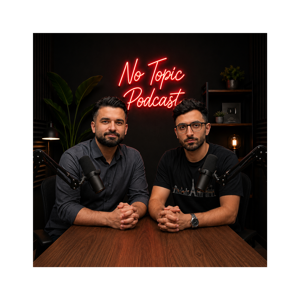
In this episode of No Topic Podcast, Moe and Omid talk about role models, famous people, parents, teachers, young people, and the influence they have on our lives.
We start by asking a simple question: What makes someone a good role model?
A good role model doesn't have to be perfect. We talk about why actions can be more important than words, how we can learn from someone's positive qualities without copying their entire life, and why putting people on a pedestal can sometimes be a problem.
We also discuss whether famous people and celebrities can really be good role models. Social media has made this question even more interesting because we often see only a small part of a person's life online.
Finally, we talk about young people and influence. Who has the biggest influence on them — parents, teachers, friends, celebrities, or social media influencers?
This episode is made in simple English for A2–B1 English learners, so you can improve your English listening skills while having an interesting conversation about psychology, relationships, personal growth, and everyday life.
In this episode, we talk about:
• What makes someone a good role model • Why role models don't have to be perfect • Learning from people's positive qualities • Famous people and celebrities as role models • The influence of social media • Why we shouldn't blindly follow famous people • Why role models can be useful • Parents and their influence on children • Teachers and their influence on students • Friends and peer influence • Social media influencers and young people • How other people can shape our behavior and thinking
Useful English Words
Role model — someone you admire and learn from Look up to — to admire and respect someone Set a good example — to show others how to behave through your actions Admire — to respect someone for what they do Influence — the power to affect how someone thinks or behaves Responsibility — a duty to act in the right way
Who is a role model in your life?
What have you learned from that person?
Tell us in the comments.
If you enjoy learning English through conversations about psychology, culture, technology, self-improvement, relationships, and everyday life, subscribe to No Topic Podcast and join us for the next episode.
#RoleModels #SimpleEnglish #EnglishPodcast #LearnEnglish #EnglishListening #Influence #SelfImprovement #A2English #B1English #EnglishLearning
Why do we need museums? What is culture? And why is art important in our lives? In this episode of No Topic Podcast, Moe and Omid talk about culture, art, museums, history, and heritage in simple and easy-to-understand English. We start by asking what culture really means and how it shapes the way people live, communicate, celebrate, eat, and understand the world. Then, we talk about art and why music, paintings, movies, photography, stories, and even buildings can be forms of artistic expression. Finally, we explore museums and ask an important question: Why do we keep old objects in museums? Museums help preserve objects, stories, traditions, and parts of our history. They can also help us understand different cultures and learn more about the people who lived before us. This episode is designed for A2–B1 English learners who want to improve their English listening skills while learning about interesting topics. 🎧 Listen to the conversation and learn useful English vocabulary related to culture, art, history, and museums. ### In this episode, we talk about: • What culture means • Why culture is important • Culture and identity • Understanding different cultures • Why art matters • Art and creativity • Music, movies, photography, and painting • Why museums are important • How museums preserve history • Cultural heritage • Learning from the past ### Useful English Words Identity — who you are and what makes you different Open-minded — willing to understand different ideas Expression — showing thoughts or feelings Creativity — the ability to create new ideas or things Preserve — to keep something safe and in good condition Heritage — important traditions, objects, and history passed down from the past If you enjoy learning English through conversations about culture, psychology, science, technology, history, and everyday life, subscribe to No Topic Podcast and join us in the next episode. What part of your culture is most important to you? Do you think art is necessary in our lives? And when was the last time you visited a museum? Tell us in the comments. #SimpleEnglish #EnglishPodcast #LearnEnglish #Culture #Art #Museums #EnglishListening #A2English #B1English #History
Do you always try to do everything perfectly? Do you overthink your decisions, worry about making mistakes, or delay starting because you feel you are not ready?
In this Simple English Podcast episode, we talk about perfectionism, overthinking, fear of mistakes, and the pressure to be perfect. We explore why perfectionism can stop us from taking action, learning new things, and enjoying our lives.
If you are a perfectionist or someone who often overthinks, this conversation can help you understand your thoughts and find a healthier way to move forward.
This episode is made in simple English for A2–B1 English learners, so you can improve your English while learning about perfectionism, confidence, personal growth, and everyday life.
🎧 Listen to the episode, learn useful English vocabulary, and think about your own relationship with perfectionism.
In this episode, we talk about: • What perfectionism means • Why people want everything to be perfect • Perfectionism and overthinking • Fear of making mistakes • Why perfectionism can stop you from taking action • How to become more comfortable with mistakes • How to stop waiting for the perfect moment • Personal growth and self-improvement
If you enjoy learning English through real conversations about psychology, life, technology, and self-improvement, subscribe to No Topic Podcast and join us for the next episode.
#Perfectionism #Overthinking #SimpleEnglish #EnglishPodcast #LearnEnglish #SelfImprovement #PersonalGrowth #A2English #B1English #EnglishLearning
What does a good education really mean? Is getting good grades enough, or should schools teach us how to think, solve problems, communicate, and deal with real-life situations? In this episode of No Topic Podcast, Moe and Omid talk about education, school, exams, grades, memorization, practical skills, teachers, technology, and the future of learning. We discuss why students sometimes focus more on passing exams than actually learning, whether schools should teach more practical life skills, and why different students may learn in different ways. In this episode, we talk about: • What makes a good education • Grades vs. real learning • Exams and memorization • Problems with the education system • Different ways of learning • Creativity, communication, and critical thinking • Practical skills students need in real life • Technology and AI in education • Learning how to learn • What we would change about schools This episode is perfect for A2–B1 English learners who want to improve their English listening and learn useful vocabulary through a simple, natural conversation. 💬 What does a good education mean to you? What is the biggest problem with education today? And if you could change one thing about the education system, what would you change? Tell us in the comments!
What was your childhood like? Were your parents strict, or did they give you a lot of freedom? And do you think children today have a better childhood than we did? In this episode of No Topic Podcast, Moe and Omid talk about childhood, family, strict parents, freedom, technology, childhood memories, and growing up. We also talk about what we would tell our younger selves if we could go back in time. In this simple and natural English conversation, we discuss: • How strict our parents were • Why children need both rules and freedom • Childhood then vs. childhood today • How technology has changed childhood • Phones, social media, and childhood • Our favorite childhood memories • What we would tell our younger selves • Why making mistakes is an important part of growing up This episode is great for A2–B1 English learners who want to improve their English listening and learn useful everyday vocabulary through a natural conversation. Listen to Moe and Omid, learn new English, and think about your own childhood. 💬 What was your childhood like? Were your parents strict? What advice would you give your younger self? Share your answer in the comments and join the conversation!
Why are we afraid of failure, change, or taking the first step? And what does it really mean to be brave?
In this episode of No Topic Podcast, Moe and Omid talk about fear, courage, failure, and personal growth in simple and natural English. We explore why fear is a normal part of life, how courage helps us move forward, and why you don't have to stop being afraid to become brave.
You'll learn useful English vocabulary and expressions while listening to a real conversation about:
This episode is perfect for English learners at A2–B1 level who want to improve their listening skills, learn useful everyday English, and think about real-life topics at the same time.
Remember: You don't have to feel fearless. You just have to take the next step.
🎧 Listen, learn, and improve your English with Moe and Omid.
Would you really want millions of people to know everything about your life? Fame sounds exciting, but what happens when popularity comes with pressure, attention, and less privacy?
In this episode of No Topic Podcast, Moe and Omid have a simple and natural English conversation about fame, celebrities, influencers, and social media.
We talk about what fame really means, why people are so interested in celebrities’ lives, and how social media has completely changed the way people become famous.
In this episode, we discuss:
🔹 What does it mean to be famous? 🔹 What is the difference between a celebrity and an influencer? 🔹 Why are people so interested in celebrities’ personal lives? 🔹 How has social media changed fame? 🔹 Why do some people become famous overnight? 🔹 Is being famous always a good thing? 🔹 What is the price of fame and losing your privacy?
This episode is made for English learners at A2–B1 level who want to improve their English listening and vocabulary through interesting, natural conversations.
You’ll hear useful vocabulary such as fame, celebrity, influencer, audience, recognition, lifestyle, inspiration, viral, privacy, and pressure explained naturally during the conversation.
💬 Would you like to become famous? Why or why not? Tell us what you think in the comments!
Subscribe to No Topic Podcast for more simple English conversations about psychology, technology, culture, relationships, money, success, and everyday life.
#SimpleEnglish #LearnEnglish #EnglishPodcast #Fame #Celebrities #SocialMedia #EnglishListening #LearnEnglishThroughPodcast #A2English #B1English
Why do we believe in superstitions, even when we know they may not be real? In this episode of No Topic Podcast, we talk about good luck, bad luck, black cats, broken mirrors, lucky numbers, and the strange beliefs people have around the world. We also discuss why people believe in superstitions, how our brains connect events that may simply be a coincidence, and why these beliefs can sometimes make us feel more in control. We ask some interesting questions: 👉 Why do people believe in good luck and bad luck? 👉 Why do some people have lucky numbers or lucky clothes? 👉 Are superstitions harmless or can they become dangerous? 👉 Why do these beliefs survive for hundreds of years? 👉 Will people still believe in superstitions in the future? This is a Simple English Podcast for English learners who want to improve their listening and vocabulary while talking about interesting everyday topics. If you're learning English at A2–B1 level, this episode is a great way to practice listening, learn useful vocabulary, and think about a fascinating topic at the same time. 💬 What is the strangest superstition you've ever heard? And do you believe in any superstitions? Tell us in the comments! Subscribe to No Topic Podcast for more simple English conversations about culture, psychology, technology, life, and interesting questions. #Superstitions #SimpleEnglish #LearnEnglish #EnglishPodcast #EnglishListening #EnglishForBeginners #LearnEnglishThroughPodcast #EnglishConversation #A2English #B1English
What will our world look like in 10 years? Will AI transform education, replace jobs, or even become part of our brains? In this episode of No Topic Podcast, we explore the future of artificial intelligence, technology, education, and the changing world of work. We discuss brain implants, AI tutors, the future of language learning, and the skills people will need to succeed in the years ahead—all in clear, natural English for A2–B1 English learners. 🎧 In this episode, you'll learn: How AI may change our daily lives The future of jobs and automation Will AI replace teachers? Brain implants and instant language learning The most important skills for the future Advice your future self might give you today Useful English vocabulary about technology and the future Whether you're learning English or you're fascinated by AI and the future, this episode will help you improve your listening while exploring one of the most exciting topics of our time. 💬 Question of the day: Would you ever put an AI chip in your brain? How do you think technology will change our lives over the next 10 years? And what advice do you think your future self would give you today? Share your thoughts in the comments—we'd love to hear from you! 👍 If you enjoyed this episode, don't forget to like, subscribe, and share it with someone who's interested in technology, AI, and learning English. #LearnEnglish #SimpleEnglish #EnglishPodcast #ArtificialIntelligence #AI #Future #Technology #BrainChip #Education #Automation #EnglishListening #EnglishConversation #A2English #B1English #NoTopicPodcast
💸 We all spend money—but are we spending it on the right things? In this episode of No Topic Podcast, we explore why so many of us buy things we don't really need, how to tell the difference between needs and wants, and what it truly means to spend money wisely. We also discuss whether it's better to be a saver or a spender, why being frugal is different from being stingy, and the best things we've ever spent money on. Along the way, you'll learn useful English vocabulary in a natural conversation designed for A2–B1 English learners. 🎧 In this episode, you'll learn: • The difference between needs and wants • How to make smarter spending decisions • The psychology behind buying things • Saving vs. spending: Which is better? • Why experiences and education are often the best investments • Practical English vocabulary about money and personal finance Whether you're learning English or simply interested in improving your money habits, this episode will help you build your listening skills while exploring a topic that affects all of us. 💬 Question of the day: Are you more of a saver or a spender? And what's the best thing you've ever spent money on? Let us know in the comments—we'd love to hear your thoughts! 👍 If you enjoyed this episode, don't forget to like, subscribe, and share it with someone who loves learning English through real conversations. #LearnEnglish #SimpleEnglish #EnglishPodcast #Money #PersonalFinance #MoneyHabits #SavingMoney #SpendingHabits #FinancialLiteracy #NeedsVsWants #EnglishListening #EnglishConversation #A2English #B1English #NoTopicPodcast
From the publisher's feed
Welcome to No Topic Podcast! Here, we explore science, technology, psychology, self-improvement, and English learning, all in simple, easy-to-understand English. Our goal is to make complex ideas…
Check out our channel on YouTube: https://www.youtube.com/@notopicpodcast