
Sign up to save your podcasts
Or

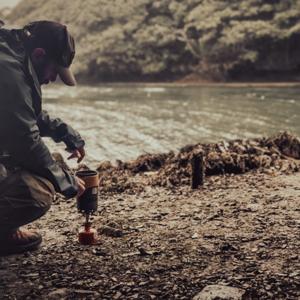


I started Off the Beaten Pot after a wild camping trip on Dartmoor with my dad. We’d brought single-use pouch meals, but I knew we could cook something better on a Trangia. Once we began planning meals and enjoying the cooking as much as the eating, food became a bigger part of the trip—and people we met on the trail wanted to know what we were making.
In this episode, I talk about how that idea grew into a YouTube channel, outdoor cooking projects, brand collaborations, a cookbook, a monthly subscription, and this podcast. I also share what I’m hoping to build next.
## In this episode
- How a camping trip with my dad on Dartmoor sparked the idea
- Why I wanted to make outdoor meals more than just fuel for the hike
- The nerves behind starting a YouTube channel—and quietly publishing my first videos
- How I pushed Trangia cooking with dishes like roast dinner, meatballs, eggs Benedict, and fish cakes
- How cooking over fire pits at Seventh Rise opened up a new world of outdoor cooking
- What I learned from working with Stuart Woodman
- How writing for Camp Wild led to cooking for brands and events
- My cookbook *Recipes for Rogues* and the monthly subscription I created to help people learn outdoor cooking
- Why I started the podcast—and what I’d love Off the Beaten Pot to become
## Timestamps
00:00 — What Off the Beaten Pot is
00:31 — Why I wanted to cook better food outdoors
01:00 — Making meal planning part of the adventure
01:28 — How people on the trail inspired my YouTube channel
01:55 — The nerves behind my first videos
02:23 — Taking camp-stove cooking further
02:53 — Finding a new direction with fire pit cooking
03:23 — Sharing what I know—and what I’m still learning
03:53 — Writing for Camp Wild
04:21 — Getting started with brand cooking
04:51 — Turning outdoor cooking into paid work
05:19 — My cookbook and monthly subscription
06:14 — Why I started the podcast
06:41 — What’s next for Off the Beaten Pot
07:11 — My hopes for a dedicated space and studio
## A few moments to listen for
> “We actually thought about what we were going to eat and, you know, we planned it and we really, really enjoyed it.”
> “I just love talking about and sharing about cooking in the great outdoors.”
> “As for where it’s heading, I don’t know, but I want it to be huge.”
This episode is a guide on how to plan hiking meals based on water access, carrying capacity, and route logistics. The core idea is simple but practical: water availability should shape your menu, because it affects what you can cook, how much you can carry, and how much cleanup you'll need.
We walk through how to use a map to identify realistic water sources, assess whether they are actually usable, and build a food plan that matches the conditions on the trail. He also covers how water needs change breakfast, lunch, dinner, hot drinks, and washing up.
## Key topics
- Why water should be the first planning priority for hike food, especially on trips longer than a day.
- How to use a map to locate rivers, streams, lakes, and marked water sources along your route and camping spots.
- Why a blue line on a map does not guarantee a reliable or safe water source.
- How seasonal drying, agricultural runoff, and livestock can make a source unsuitable—and why a backup plan matters.
- How different meals demand different amounts of water, including cooking, rehydrating, and cold soaking.
- Why drinking water, hot drinks, breakfasts, washing up, and emergency reserves belong in the overall water budget.
- What meals make sense when water is plentiful versus scarce.
- Low-water alternatives, including wraps, oat cakes, pre-soaked meals, and dishes that need minimal water.
- How carrying wet ingredients can be a useful tradeoff when it reduces water needs later.
- Why choosing meals that minimize washing up can conserve water.
## Timestamps
00:00 — Why water should shape your meal plan before recipes
00:30 — Start with the map and route, not the menu
01:00 — Finding likely water sources along the trail
01:29 — Why map water lines are not always reliable
01:59 — Matching meal choices to cooking and rehydration needs
02:30 — Building water into your full trip budget
03:00 — What you can cook when water is plentiful
03:29 — How to adapt meals when water is scarce
03:59 — Low-water lunch and dinner ideas that still work outdoors
04:47 — Saving water by minimizing washing up
05:31 — Final rule: plan water before meals, always
## Action items
- Open your map before a hike and mark every likely water source on the route.
- Check where the last realistic water source is before dinner or overnight camping.
- Build your meal plan around the water you can actually expect to carry or collect.
- Make a backup meal plan in case a water source is dry or unusable.
- Choose foods that fit the trip conditions, not just the ones that sound best at home.
What’s the first meal you remember eating outdoors? In this episode, we look back at a simple camping meal from the Lake District: tinned new potatoes with margarine, mint sauce, and sosmix sausages. It might not win any culinary awards, but it’s stayed memorable for decades.
We’ll talk about why the best outdoor meals don’t have to be complicated or expensive, how the setting and company can transform simple food, and why cooking outdoors is a great way to build confidence. You’ll also learn how to make this easy camp meal yourself—and why familiar ingredients can make cooking outside feel less intimidating.
## In this episode, you’ll learn
- Why a simple meal can become a lasting memory
- How to cook tinned potatoes with margarine or butter and mint sauce at camp
- Why you don’t need fancy ingredients or equipment to enjoy outdoor cooking
- How to build confidence with a straightforward meal on a camping stove
- Why the experience around the food matters as much as the food itself
## Timestamps
00:00 — The first outdoor meal that inspired the show
00:30 — Camping in Grisdale forest and Dad’s tin of new potatoes
01:26 — Chasing the feeling of a childhood camping meal
02:28 — Why outdoor cooking doesn’t need to be gourmet
03:33 — The experience around the food matters as much as the food
04:05 — How to make the tinned potatoes and mint sauce
04:33 — Sosmix sausages and lightweight outdoor food
05:24 — A simple meal as a starting point for outdoor cooking
05:52 — Familiar ingredients can make camp cooking less intimidating
06:21 — The memories that last longer than the meal
07:07 — A meal that shaped a relationship with outdoor cooking
07:34 — Cooking to feed yourself, not impress anyone
08:04 — From a Sunday roast in a Trangia to cheap tin potatoes
08:34 — Making outdoor food memories of your own
09:17 — Closing remarks
This episode breaks down the essentials for cooking in the great outdoors without overpacking. We’ll look through a practical beginner-friendly checklist for stove setup, cookware, food planning, cleanup, and safety, with a clear theme throughout: bring only what you actually need.
If you want a grounded starting point for camp cooking, this episode is useful because it focuses on reliable basics rather than expensive gadgets. I also flag a few common mistakes, like forgetting backup ignition, underestimating wind, or carrying too many specialized tools.
Timestamps
00:00 - Why you do not need a van full of kit to cook outdoors
00:30 - The stove is the heart of your cooking setup
00:55 - Fuel compatibility and backup ignition matter
01:46 - Stable surfaces and why wind protection improves efficiency
02:53 - The core cookware every beginner actually needs
03:51 - Mug, bowl, utensil, chopping board, and a compact knife
05:36 - Meal planning before packing and choosing ingredients around water
06:34 - Flavor boosters, oils, ghee, salt, pepper, and sauces
07:33 - Planning drinking water and dehydrated meals properly
08:43 - Clean prep surfaces, storage bags, towels, and pot grippers
09:41 - Washing up tools, rubbish bags, and packing out waste
11:10 - Soap, sanitizer, and dealing with wastewater
12:11 - Stove instructions, first aid, burn care, and hot cookware safety
13:09 - Weather protection, windshields, and safe cooking locations
14:07 - Why you should never cook inside a tent or enclosed shelter
14:35 - What you can leave at home: matching cooksets and specialist cutlery
16:02 - Leave the spice rack at home and avoid unnecessary gadgets
16:59 - The beginner packing checklist in one simple summary
18:56 - Thom wraps up with reflections on keeping the episode useful
If outdoor cooking feels intimidating, this episode breaks it down into a practical first step rather than a gear-heavy hobby. Most home cooking skills already transfer outdoors, and the real challenge is simply getting started.
Let’s take a look at what you actually need, how to choose a first meal and how to practice safely before heading out into more ambitious settings.
Key topics
- **Reframing outdoor cooking:** Thom explains that it’s a familiar skill in a new environment, not a completely different discipline.
- **Starting with skills you already have:** If you can boil water, fry an egg, or heat a pan at home, you already know many of the basics.
- **Adapting to the outdoors:** Wind, limited workspace, uneven ground, and a different heat source are the main differences—not reasons to buy expert-level gear.
- **Practicing with familiar food:** Try heating beans or frying chorizo outdoors before attempting elaborate recipes.
- **Keeping the kit simple:** Start with a suitable camp stove and compatible fuel, one pan or pot, and a utensil for stirring.
- **Buying gear without pressure:** Inexpensive or secondhand equipment can be enough to get going.
- **Choosing a safe cooking spot:** Find a stable, level space away from dry material that could catch fire.
- **Making the first meal deliberately simple:** Porridge, noodles, soup, a hot drink, or an easy one-pan meal are all good starting points.
- **Handling common worries:** Thom addresses choosing the wrong stove, lighting it, cooking in wind, fire safety, and what to do if a meal goes wrong.
- **Learning by practicing:** Start in manageable conditions, notice what you learn, and repeat the experience before moving on to more challenging meals.
## Timestamps
00:00 - Why outdoor cooking feels intimidating at first
01:14 - You already know most of the cooking basics
02:10 - Practice by moving a familiar meal outdoors
03:23 - The equipment you need to start
04:50 - Why a simple, familiar recipe makes a good first meal
05:46 - Finding a stable, safe cooking spot outside
06:38 - Don’t solve every gear question before you begin
07:06 - Keep the first meal boring and low-pressure
08:35 - The goal is finishing, not culinary brilliance
09:04 - What to do if you buy the wrong stove or can’t light it
10:05 - How wind and fire safety affect outdoor cooking
11:27 - If the food goes wrong, switch to a backup meal
12:23 - You don’t need to be camping to cook outdoors
12:52 - A simple beginner checklist before heading out
13:48 - The hardest part is getting outside to cook
## What Does It Mean to Cook Outdoors?
Outdoor cooking doesn’t have to mean settling for packaged meals—or investing in a complicated setup. In the first episode of *Off the Beaten Pot*, Thom Axon explores what cooking outside can look like, from a camp stove in the garden to quick, fuel-efficient meals on a long hike and relaxed feasts at base camp.
Thom shares the show’s goal: helping people cook great food outdoors in ways that fit their trip, appetite, and gear. Whether you’re hiking, camping, kayaking, planning an expedition, or simply curious about cooking outside, this episode offers an inviting starting point—and a reminder that outdoor meals can be practical, affordable, and genuinely enjoyable.
From the publisher's feed