
Sign up to save your podcasts
Or



Send us a text
Summary
In this episode of the OPA to OPM podcast, hosts Day Mill, Alex, and Marquell welcome cybersecurity expert Christopher Okpala. The conversation begins with reflections on the New Year and transitions into Okpala's journey from criminal justice to a successful career in tech. The discussion covers the differences between cybersecurity and IT, the financial incentives of pursuing a career in cybersecurity, and the importance of networking and relationships in the tech industry. Listeners gain insights into the challenges of job applications, the significance of soft skills, and tips for breaking into the cybersecurity field. The episode concludes with a focus on the value of attending conferences and events to build connections in the industry. In this conversation, the speakers delve into the importance of building confidence and communication skills, especially for younger generations. They discuss the generational gaps in workplace dynamics and the impact of AI on job security, emphasizing the need for continuous learning and adaptation. The conversation also touches on the various roles within the tech industry, highlighting the broad nature of job titles and responsibilities. Additionally, the speakers share their experiences in content creation, the challenges of vulnerability, and the significance of networking in achieving personal and professional goals.
Takeaways
The New Year brings opportunities for growth and change.
Tech can be a pathway to a better life.
Understanding the difference between cybersecurity and IT is crucial.
Financial incentives in cybersecurity are significant.
Networking is essential for career advancement in tech.
Job applications can be competitive and require persistence.
Soft skills are increasingly important in tech roles.
Attending conferences can help build valuable relationships.
Documenting your journey can attract opportunities.
Building connections is as important as technical skills. Confidence is built through practice and speaking up.
Generational gaps affect workplace dynamics and communication.
AI is transforming job roles, but learning is key to adaptation.
Understanding the broad nature of tech roles is essential.
Content creation requires vulnerability and continuous improvement.
Networking is crucial for career advancement in tech.
Personal growth is tied to professional success.
Finding your audience is vital for content creators.
Job security in tech requires ongoing education and skill development.
A positive lifestyle reflects in your career success.
Chapters
00:00 New Year Reflections and Introductions
03:05 Guest Introduction: Christopher Okpala
04:31 Journey into Cybersecurity: From Criminal Justice to Tech
07:10 Navigating the Cybersecurity Landscape
10:17 Understanding Cybersecurity vs. IT
11:42 The Financial Incentives of Cybersecurity
14:10 Career Progression and Salary Expectations
17:58 The Importance of Networking in Tech
20:09 Tips for Breaking into Cybersecurity
22:54 The Role of Relationships in Career Advancement
25:12 Overcoming Challenges in Networking
27:31 Conferences and Events: Building Connections
29:45 Building Confidence and Communication Skills
32:30 Navigating Generational Gaps in the Workplace
33:36 The Impact of AI on Job Security
40:24 Understanding Roles in Tech: The Blanket Statement
44:45 The Journey of Content Creation and Vulnerability
55:43 Future Aspirations and Networking in Tech
Keywords
New Year, Cybersecurity, IT, Career Journey, Networking, Salary Expectations, Tech Industry, Job Applications, Professional Development, AI, confidence, communication, generational gaps, AI, job security, tech roles, content
Send us a text
Summary
In this conversation, David Turner, a faith-based transformational coach, discusses his journey from financial success to finding purpose in life. He emphasizes the importance of aligning one's passion with their purpose, the significance of mental transformation over physical appearance, and the role of faith in personal growth. David shares insights on nutrition, fitness, and the process of creating authentic content. He also addresses the challenges of maintaining balance in life and the importance of building confidence in the gym. The discussion culminates in David's aspirations for the future and his commitment to helping others discover their true selves.
Takeaways
Financial success can lead to a feeling of emptiness if purpose is not found.
Purpose dictates passion and priorities in life.
Transformation coaching focuses on mental and emotional growth, not just physical appearance.
Building confidence in the gym is essential for personal growth.
Nutrition plays a crucial role in weight loss and overall health.
The quick fix for weight loss often backfires and does not lead to sustainable health.
Isolation can lead to self-discovery and clarity in one's purpose.
Authenticity in content creation resonates more with audiences.
Balance in life is a myth; prioritization is key.
Faith and personal growth are intertwined in the journey of transformation.
Chapters
00:00 Navigating Financial Success and Purpose
04:11 The Journey of a Faith-Based Transformation Coach
08:35 Finding Your True Calling
15:07 The Essence of Transformation Coaching
18:24 Creating Authentic Content
22:48 Building Confidence in the Gym
29:41 The Myth of Balance in Life
35:52 Nutrition and Weight Loss Strategies
39:43 The Role of Cardio vs. Weightlifting
45:15 The Importance of Internal Health
50:30 Isolation Diaries and Transparency Tuesday
01:00:39 Future Aspirations and Personal Growth
Send us a text
Joel Marcelin, a financial literacy coach and real estate developer, & The Founder of SLZGlobal Group, shares his journey and expertise in finance, credit repair, and business funding. He emphasizes the importance of business funding and explains why it's necessary to seek external capital instead of relying solely on bootstrapping. Joel also discusses the significance of credit and how he became passionate about helping others improve their credit scores. He highlights the value of mentorship and the lessons he has learned from his failures. Additionally, Joel provides insights into the differences between hard money and private money lending in the real estate industry. Joel Marcelin discusses his journey in the finance and real estate industry, offering insights into private lending, credit repair, and commercial real estate. He emphasizes the importance of building relationships, taking risks, and keeping God first. Joel shares his passion for helping others achieve financial freedom and leave a lasting legacy. He also highlights the resilience and determination of the Haitian community and the need for representation and success stories.
Check out the Visuals of this & past Podcast episodes on Youtube: OPA2OPMPODCAST
Join Alex's Airbnb & Turn Courses on Skool:
https://www.skool.com/ajconsults-6124
Socials:
DéMilles Instagram & Tik Tok: railway2success
Alex's Instagram: _ajthe1
Alex's Tik Tok: The_Alex_J
Markel Instagram: Mogulsince97
Joel's instagram: Idreamofwealth
Question - Hey did you find this episode interesting, engaging, and informative? If so please leave a Review and tell us more!!!
Affiliate link https://www.skool.com/ajconsults-6124
Takeaways
Business funding is crucial for entrepreneurs who don't have the necessary capital to start or grow their businesses.
Credit plays a significant role in accessing funding and other financial opportunities.
Mentorship is valuable in gaining knowledge, making connections, and navigating the challenges of entrepreneurship.
Learning from failures is essential for personal and professional growth.
Hard money lending and private money lending are two options for real estate investors to secure funding, with different criteria and terms. Building relationships and networking are crucial in the finance and real estate industry.
Don't be afraid to take risks and try new things.
Keeping God first and staying grounded is essential for success.
Financial freedom means being able to wake up without the need to clock in for someone else.
Passion and purpose are important in finding fulfillment and success.
Helping others achieve financial freedom and leaving a lasting legacy is a meaningful goal.
Representation and success stories are important for underrepresented communities.
Chapters
00:00 Introduction and Overview
03:15 The Importance of Business Funding and Credit
06:03 The Power of Mentorship and Learning from Failures
16:18 Understanding Hard Money and Private Money Lending in Real Estate
29:04 Building Relationships and Taking Risks
31:20 Financial Freedom and Legacy
34:31 Staying Grounded and Overcoming Adversity
37:22 The Resilience of the Haitian Community
Send us a text
Summary
In this episode of the OPA to OPM podcast, the hosts interview Dominic Nerd, the poet McDonald, an artist and poet based in the DMV area. They discuss his journey as a poet, his open mic events, and his nomination for the DC's Mayor's Arts Award. Dominic shares insights on how to incorporate verbal art expression into different venues and how to add value to a community. He also talks about the importance of writing a book to leave a legacy and increase his brand's value. In this conversation, Nerd the Poet discusses the importance of delegation and building systems to scale a business. He shares his experience in the entertainment industry and emphasizes the need to duplicate oneself in order to expand. Nerd also talks about the intersection of art and entrepreneurship and his plans to build a bridge between DMV artists and LA artists. He envisions creating a creative house for traveling and touring artists. Nerd also talks about his books and the poetry scene in LA. The conversation highlights the importance of defining oneself and not being limited by others' perceptions.
Takeaways
Incorporate verbal art expression into different venues to add value to the community.
Writing a book can leave a legacy and increase brand value.
Creating a residency allows for consistent events at a specific location.
Invest in the youth to keep talent fresh and innovative.
Pitch ideas with confidence and seek feedback from trusted individuals.
Learn different roles and systems to effectively delegate tasks.
Write down ideas and processes to create a roadmap for implementation.
Take yourself seriously and communicate your needs to others. Delegation and building systems are crucial for scaling a business.
Duplicating oneself is necessary to expand and grow.
Art and entrepreneurship can intersect to create unique opportunities.
Building bridges between different artistic communities can lead to growth and collaboration.
Defining oneself and not being limited by others' perceptions is empowering.
Keywords
Dominic Nerd, poet, artist, DMV, open mic, verbal art expression, value, legacy, brand, delegation, building systems, scaling a business, entertainment industry, duplicating oneself, art and entrepreneurship, DMV artists, LA artists, creative house, poetry scene
Chapters
00:00 Introduction and Welcoming the Guest
01:45 Guest's Background and Move to the DMV
03:11 Creating a Residency for Open Mic Events
06:33 Adding Value to Venues and Communities
08:27 The Brand of a Lifestyle Poet
13:47 Nominations for the DC's Mayor's Arts Award
15:15 Change Your Ask and Show and Prove
18:07 Investing in the Youth and Fresh Talent
20:31 Pitching Ideas with Confidence and Seeking Feedback
27:18 Learning Different Roles and Systems for Effective Delegation
28:15 Writing a Book to Leave a Legacy and Increase Brand Value
28:41 Scaling a Business and Delegation
33:00 The Intersection of Art and Entrepreneurship
42:58 Building Bridges between DMV and LA Artists
46:31 Creating a Creative House for Traveling Artists
53:50 Defining Oneself and Breaking Stereotypes
Send us a text
Summary
In this conversation, Arthur Willis, an accountant and financial advisor, discusses his journey to becoming an accountant and the importance of accounting in business. He emphasizes the value of experience and recommends starting in the job market before venturing into entrepreneurship. Arthur explains the role of different accounting positions, such as CPAs, bookkeepers, and tax accountants. He highlights the importance of understanding taxes and the need for an accountant to manage finances and ensure compliance. Arthur also addresses the lack of financial education in the black and brown community and the importance of educating and inspiring others about accounting and financial management. The conversation focuses on the importance of financial education and accountability, particularly in the context of accounting and business management. The guest, Arthur Willis, emphasizes the need for individuals and entrepreneurs to take control of their finances and understand the basics of accounting. He highlights the risks of relying solely on accountants and financial advisors without actively participating in financial decision-making. Willis also discusses the significance of building a solid foundation in business and the value of paying oneself as a business owner. He encourages individuals to establish good financial habits and organization, and emphasizes the potential for growth and success through proper financial management.
Takeaways
Experience in the job market is valuable before starting a business as an accountant.
Different accounting positions have specific roles and responsibilities.
Understanding taxes and compliance is crucial for business success.
Financial education is lacking in the black and brown community and needs to be addressed.
Accountants play a vital role in managing finances and helping individuals and businesses make informed financial decisions. Financial education and accountability are crucial for individuals and entrepreneurs to take control of their finances.
Relying solely on accountants and financial advisors without actively participating in financial decision-making can be risky.
Building a solid foundation in business, including paying oneself, is essential for long-term success.
Establishing good financial habits and organization is key to effective financial management.
Proper financial management can lead to growth and success in business.
Chapters
00:00 The Journey to Becoming an Accountant and Financial Advisor
01:26 The Importance of Experience and Starting in the Job Market
03:04 Understanding Different Accounting Positions
04:23 The Significance of Taxes and Compliance
09:16 Addressing the Lack of Financial Education in the Black and Brown Community
14:59 The Role of Accountants in Managing Finances and Making Informed Decisions
24:35 The Importance of Financial Education and Accountability
26:04 The Risks of Relying Solely on Accountants
28:56 Taking Your Finances Seriously
30:25 Establishing Good Financial Habits and Organization
32:22 The Consequences of Poor Financial Management
41:40 Building a Solid Foundation in Business
Keywords
accounting, accountant, financial advisor, entrepreneurship, experience, CPA, bookkeeper, tax accountant, taxes, financial education, black and brown community, financial education, accounting, finances, accountability, business management, financial decision-making, foundation, paying oneself, financial habits, organization, growth, success
Send us a text
Summary
In this conversation, the hosts discuss the process of starting a business and the importance of proper planning. They emphasize the need to avoid using platforms like LegalZoom and instead go directly to the state government website to create an LLC. They also highlight the importance of having a business address, phone number, and email, as well as getting a logo and website set up. The hosts stress the significance of getting an EIN and a DUNS number, and they provide tips on choosing a business name and a registered agent. They also mention the importance of listing the business on platforms like 411 and Yelp. In this conversation, the hosts discuss the importance of operating a business as a separate entity and the need to separate personal and business finances. They emphasize the importance of consulting with a tax professional to ensure proper structuring of funds and explain the process of obtaining an LLC and EIN. They also discuss the need for multiple business bank accounts and the different purposes they serve. The hosts provide insights on building and improving credit, including strategies for increasing credit limits and removing derogatory marks. They stress the importance of money management skills and having a solid business plan in place before seeking funding. They also touch on the role of mentors and the importance of seeking professional advice in areas such as taxes and legal matters. The conversation concludes with a reminder that every business faces challenges and the importance of continuous learning and improvement.
Keywords
starting a business, LLC, LegalZoom, business address, business phone number, business email, logo, website, EIN, DUNS number, registered agent, 411, Yelp, business operations, business funding, LLC formation, EIN, tax professional, business bank accounts, credit building, money management, business plan, mentors, professional advice
Takeaways
Avoid using platforms like LegalZoom and go directly to the state government website to create an LLC
Have a business address, phone number, and email, and get a logo and website set up
Obtain an EIN and a DUNS number
Choose a business name that is not a dead giveaway of the industry
List the business on platforms like 411 and Yelp Operating a business as a separate entity is crucial for financial and legal protection.
Consulting with a tax professional is essential for proper structuring of funds and understanding tax obligations.
Obtaining an LLC and EIN are important steps in formalizing a business.
Having multiple business bank accounts for different purposes is recommended.
Building and improving credit is crucial for accessing business funding.
Money management skills are essential for successfully managing business finances.
Having a solid business plan in place is crucial before seeking funding.
Mentors and professional advice can provide valuable guidance and help avoid common mistakes.
Continuous learning and improvement are necessary for business success.
Chapters
00:00 Proper Planning and Avoiding LegalZoom
08:53 The Importance of a Business Address, Phone Number, and Email
18:06 Getting an EIN and a DUNS Number
19:36 Choosing a Business Name and Registered Agent
23:53 Listing the Business on Platforms like 411 and Yelp
31:06 Operating a Business as a Separate Entity
36:15 Strategies for Building and Improving Credit
46:30 Mastering Money Management Skills
49:54 Creating a Solid Business Plan
55:13 Continuous Learning and Improvement for Business Success
Send us a text
Summary
In this episode, the hosts discuss alternative paths to success outside of entrepreneurship. They explore different skills and careers that can lead to financial stability and fulfillment. They emphasize the importance of self-awareness, education, and finding mentors or coaches. The roadmap for young adults includes getting educated about different career options, experimenting with different paths, and seeking therapy or mentorship. The hosts also highlight the need to focus on building a strong foundation and investing in personal development. The conversation covers the topics of learning, networking, finding mentors, and the importance of unlearning and retraining oneself. It also discusses the drawbacks and benefits of different career paths, the concept of instant gratification versus long-term success, and the value of finding the right people to help in business and life. The conversation emphasizes the need for continuous learning, mastering skills, and making smart choices to achieve success.
Takeaways
Entrepreneurship is not for everyone, and there are alternative paths to success.
Self-awareness is crucial in finding the right career path.
Education and experimentation are key in discovering one's skills and interests.
Seeking therapy or mentorship can provide guidance and support.
Building a strong foundation and investing in personal development are essential for long-term success. Start by figuring out how to learn and then determine what you want to learn.
Get into rooms with people who are doing what you want to do and network with them.
Find a mentor who can guide you through the learning process.
Unlearn and retrain yourself to adapt to new experiences and outlooks on life.
Consider the drawbacks and benefits of different career paths and make informed choices.
Understand that success takes time and effort, and doing less can sometimes lead to more.
Focus on mastering your skills and finding the right people to help you in business and life.
Chapters
00:00 Introduction and Discussion of Alternative Paths
02:15 The Misconceptions and Realities of Trades and Blue-Collar Jobs
04:07 The Pressure of Social Media and Unrealistic Ideals of Success
08:12 Investing in Yourself and Building a Strong Foundation
25:25 The Roadmap to Learning and Success
26:19 Networking and Finding Mentors
27:16 Unlearning and Retraining Yourself
30:12 Exploring Different Career Paths
33:03 Instant Gratification vs. Long-Term Success
37:20 Mastering Skills and Finding the Right People
Keywords
alternative paths, success, entrepreneurship, skills, careers, self-awareness, education, mentors, coaches, roadmap, young adults, experimentation, therapy, personal development, learning, networking, mentors, unlearning, retraining, career paths, drawbacks, benefits, instant gratification, long-term success, finding the right people, continuous learning, mastering skills, smart choices, success
Send us a text
Summary
In this episode, the hosts discuss the challenges and realities of pursuing success and offer advice on how to navigate the journey. They emphasize the importance of learning and acquiring skills, setting realistic expectations, and building a strong foundation. They also discuss the value of planning, organization, and financial management in achieving long-term success. The hosts share personal experiences and provide practical tips for listeners to apply in their own lives. In this conversation, the hosts discuss the importance of having a tax strategist and a bookkeeper to manage finances effectively. They emphasize the need to shift from a poor mindset to a wealthy mindset and the importance of sacrifice and delayed gratification. They also explore the concept of finding one's purpose and the role of brutally honest conversations in personal growth. The hosts share their own experiences with spending money and offer tips for affordable and memorable dates. They conclude by highlighting the significance of planning and executing goals.
Takeaways
Success takes time and effort, and it's important to set realistic expectations and be patient with the process.
Acquiring skills and continuously learning are crucial for long-term success.
Planning and organization are key to staying focused and achieving goals.
Financial management is essential for building wealth and maintaining success.
Building a strong foundation and having a support system are important for sustainable success. Having a tax strategist and a bookkeeper is crucial for managing finances effectively.
Shifting from a poor mindset to a wealthy mindset is essential for success.
Sacrifice and delayed gratification are necessary for achieving goals.
Finding one's purpose involves identifying what one would do for free and what comes easy but hard for others.
Brutally honest conversations with trusted individuals can lead to personal growth.
Affordable and memorable dates can be planned by visiting free attractions and using creative ideas.
Planning and executing goals is key to achieving success.
Chapters
00:00 Introduction and Overview
03:14 Navigating the Challenges of Success
06:58 The Value of Learning and Acquiring Skills
12:46 The Importance of Planning and Organization
24:55 Building a Strong Foundation for Sustainable Success
38:41 The Importance of a Tax Strategist and Bookkeeper
43:29 Shifting from a Poor Mindset to a Wealthy Mindset
46:53 The Role of Sacrifice and Delayed Gratification
51:39 Finding Your Purpose and Having Honest Conversations
58:32 Affordable and Memorable Dates
01:05:42 Planning and Executing Goals
Send us a text
Summary
In this conversation, the guest, Tristan, shares his journey into real estate investing and his transition from the mortgage industry to the tech industry. He discusses the concept of house hacking and why it was the strategy he chose to get started in real estate. Tristan emphasizes the importance of thorough screening when selecting tenants and shares his process for vetting potential renters. He also provides insights on finding a realtor, choosing a bank or credit union, and using software platforms for background checks. Tristan explains why he chose to invest in Baltimore and highlights the city's potential for both cash flow and appreciation. In this conversation, Tristan and Alex discuss the importance of being intentional and seeking out information when it comes to real estate investing. They emphasize the need to stay informed about local developments and trends, and to visit potential investment areas in person. They also discuss the $1 home program in Baltimore and caution that while it may seem like a good deal, it often requires significant investment and may not be suitable for everyone. Tristan shares his experience with the BRRRR method and using a HELOC to finance his real estate investments. They also touch on the importance of learning from mistakes and setbacks, and the value of sharing knowledge and experiences with others.
Keywords
real estate investing, house hacking, tenant screening, finding a realtor, choosing a bank, credit unions, software platforms, Baltimore, real estate investing, information, local developments, trends, $1 home program, Baltimore, BRRRR method, HELOC, mistakes, setbacks, sharing knowledge
Takeaways
House hacking is a low-barrier entry strategy for real estate investing that allows investors to live in one unit of a multi-unit property and rent out the others to offset their mortgage.
Thorough tenant screening is crucial to ensure reliable and responsible renters. This includes conducting background checks, verifying employment and income, and checking references.
Referrals and research are key when finding a realtor and choosing a bank or credit union. Attend meetups, use online platforms like Bigger Pockets and Eventbrite, and read reviews to gather information and make informed decisions.
Investing in Baltimore offers opportunities for both cash flow and appreciation. Research the market, look for properties that need work, and consider the city's path of progress and affordability.
Embrace discomfort and be willing to take risks in order to achieve financial independence and success in real estate investing. Be intentional and seek out information when it comes to real estate investing
Stay informed about local developments and trends
Visit potential investment areas in person
Be cautious when considering the $1 home program in Baltimore
Consider using the BRRRR method and a HELOC for financing
Learn from mistakes and setbacks
Share knowledge and experiences with others
Chapters
00:00 Introduction and Excitement for Valuable Insights
08:40 Transitioning from Mortgage Industry to Tech Industry
24:16 Choosing the Right Bank or Credit Union for Financing
31:05 Embracing Discomfort and Taking Risks for Financial Independence
39:01 Considerations for the $1 Home Program
49:31 Learning from Mistakes and Setbacks
Send us a text
Summary
The conversation explores the $1 house program in Baltimore and the opportunities and challenges it presents. The guest, Tony Taylor, provides insights into the history of the program and its current implementation. He emphasizes the importance of understanding the market and the need for proper education and resources. The conversation also touches on the potential of Baltimore City, the impact of gentrification, and the role of the black community in shaping its future. Overall, the discussion highlights the need for responsible investment and the potential for positive change in the city. This conversation explores the history, social change, and revitalization efforts in Baltimore. It highlights the importance of understanding the city's past to navigate its present challenges. The conversation also touches on food deserts, social laws, infrastructure, and the arts in Baltimore. Mayor Brandon Scott's leadership and progress in the city are discussed. The conversation concludes with insights into personal growth, returning to Baltimore real estate, and the transition from the DC market. Holding costs in real estate and opportunities for consultation are also mentioned.
Takeaways
The $1 house program in Baltimore offers opportunities for homeowners and investors, but it requires knowledge and understanding of the market.
Applying for the program involves meeting certain qualifications and navigating the challenges of permits, renovations, and timelines.
Baltimore City has the potential for growth and economic development, but it is important to be aware of the risks and uncertainties.
Education and access to resources are crucial for individuals interested in participating in the program and contributing to the city's revitalization.
Taking responsibility and building equity in the community is essential for long-term success and positive change.
Chapters
00:00 Introduction and Background
04:39 The $1 House Program in Baltimore
07:01 Challenges and Requirements of the Program
10:42 Application Process and Availability
13:02 Opportunities and Risks in Baltimore
15:14 The Importance of Economic Stability
19:08 Educational Opportunities and Programs
26:21 The Potential of Baltimore City
29:07 Taking Responsibility and Building Equity
31:32 Finding Reliable Information and Resources
33:29 Differentiating Between False and Real Gurus
33:58 Understanding the History of Baltimore
38:00 Social Change and Revitalization in Baltimore
40:46 Addressing Food Deserts and Social Laws in Baltimore
43:15 Investing in Infrastructure and Embracing the Arts in Baltimore
46:02 Mayor Brandon Scott and Progress in Baltimore
48:54 Navigating Personal Growth and Relationships
51:14 Returning to Baltimore Real Estate
58:28 Transitioning to Baltimore from DC
01:03:14 Understanding Holding Costs in Real Estate
01:04:07 Promoting Baltimore Real Estate and Consultations
From the publisher's feed
In the ever-evolving landscape of entrepreneurship, accountability and adaptability are two sides of the same coin. Join us on Others People Audience 2 Other People Money as we explore the art of…
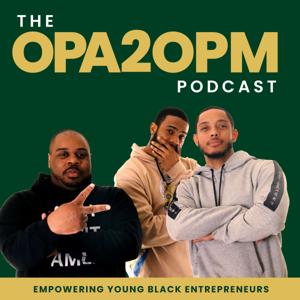
Hosted by DéMille Morris @Railway2Success, Markel Gale @Mogulsince97 & Alex Johnson @ _ajthe1, this podcast dives deep into the stories and strategies of entrepreneurs who have not only weathered storms but have thrived amidst change. Whether you're a seasoned business owner or just starting on your entrepreneurial journey, this podcast is your guide to mastering the delicate balance of accountability and pivoting.
In each episode, we bring you inspiring conversations with experts, business leaders, and innovators who share their real-life experiences, lessons learned, and practical advice. Discover how accountability is the foundation for making the right decisions and ensuring your business stays on course, even when the unexpected happens.
Through engaging interviews, insightful discussions, and actionable takeaways, you'll learn:
Whether you're facing unexpected challenges or simply seeking ways to stay ahead in a competitive market, "Navigating Accountability and Pivoting in Business" offers the wisdom and guidance you need. Tune in to gain valuable insights and transform your business into a resilient, agile, and accountable powerhouse.
Don't miss an episode – subscribe today and embark on a journey toward business success through accountability and strategic pivoting.