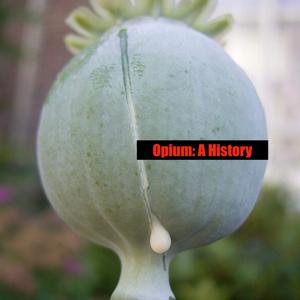
The history of opium is a fascinating and complex one, spanning thousands of years and touching every corner of the globe. From its earliest uses in ancient Mesopotamia to its role in shaping the modern world, opium has had a profound impact on human history, culture, and society.
The opium poppy, Papaver somniferum, is believed to have originated in the Mediterranean region, where it has been cultivated for its medicinal and psychoactive properties for over 5,000 years. The earliest known references to opium date back to the Sumerian civilization of ancient Mesopotamia, where the poppy was known as "hul gil" or the "joy plant." The Sumerians used opium in religious ceremonies and as a medicinal remedy for pain and other ailments.
From Mesopotamia, the use of opium spread to other ancient civilizations, including the Egyptians, Greeks, and Romans. In ancient Egypt, opium was used as a medicine and as a offering to the gods. The Greek physician Hippocrates, known as the father of Western medicine, recognized the medicinal properties of opium and prescribed it for a variety of ailments, including pain, diarrhea, and insomnia.
The Roman Empire also made extensive use of opium, both as a medicine and as a recreational drug. The Roman philosopher and physician Galen wrote extensively about the medicinal uses of opium, and the drug was widely used by the Roman elite for its euphoric and sedative effects.
As trade routes expanded in the ancient world, opium began to spread beyond the Mediterranean region. By the 7th century CE, Arab traders had introduced opium to Persia, India, and China, where it quickly gained popularity as both a medicine and a recreational drug.
In Persia, opium was used to treat a variety of ailments, including dysentery, fever, and pain. The Persian physician Avicenna, one of the most influential medical writers of the Middle Ages, wrote extensively about the medicinal properties of opium in his famous work, "The Canon of Medicine."
In India, opium has a long and complex history dating back over 1,000 years. The earliest known references to opium in India come from the Hindu scripture known as the Vedas, which mention a drink called "soma" that was used in religious ceremonies. Some scholars believe that soma may have contained opium, although this is still a matter of debate.
Opium was also used in Ayurvedic medicine, the traditional system of medicine in India, where it was prescribed for a variety of ailments, including diarrhea, dysentery, and pain. The Mughal Empire, which ruled much of India from the 16th to the 19th centuries, cultivated opium poppies extensively and used opium as a source of revenue and as a tool of diplomacy.
But it was in China that opium would have its most profound and lasting impact. Opium was first introduced to China by Arab traders in the 7th century CE, but its use remained limited until the 17th century, when Portuguese and Dutch traders began importing opium from India.
By the early 18
This content was created in partnership and with the help of Artificial Intelligence AI.