
Sign up to save your podcasts
Or

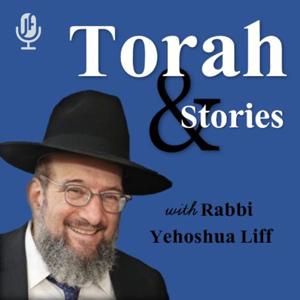

On Shabbos Chazon, Rabbi Liff turns to the opening of Parshas Devarim, where Moshe Rabbeinu gives his rebuke only through hints, out of regard for the honor of Klal Yisrael. He draws from this the Torah's blueprint for tochacha — that mussar is given by raising a person, never by shaming him, and is always tempered by the back story of a Jew's merits. Through Rav Shimshon Pincus, the mashal of the two streets of Yerushalayim, and the story of Rav Mordechai Gifter at the Kosel, he connects it all to the avodah of the nine days: that the tikkun for the churban is achdus, seeing the good in another Yid, and drawing close to Hashem through Torah. For anyone seeking chizuk heading into Tisha B'Av.
 View all episodes
 By Rabbi Yehoshua Liff
5
44 ratings
On Shabbos Chazon, Rabbi Liff turns to the opening of Parshas Devarim, where Moshe Rabbeinu gives his rebuke only through hints, out of regard for the honor of Klal Yisrael. He draws from this the Torah's blueprint for tochacha — that mussar is given by raising a person, never by shaming him, and is always tempered by the back story of a Jew's merits. Through Rav Shimshon Pincus, the mashal of the two streets of Yerushalayim, and the story of Rav Mordechai Gifter at the Kosel, he connects it all to the avodah of the nine days: that the tikkun for the churban is achdus, seeing the good in another Yid, and drawing close to Hashem through Torah. For anyone seeking chizuk heading into Tisha B'Av.