
Sign up to save your podcasts
Or

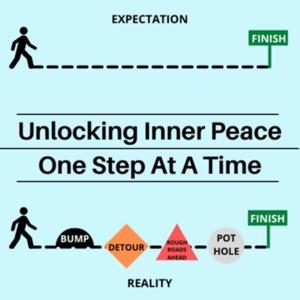

Part I of this podcast series has covered a basic understanding of our mind, with an emphasis on life’s essential facts. We have now understood how to build self-belief, grow a healthier subconscious mind, develop the courage to face any situation and finally build solid self-confidence and self-esteem.
Part II of this podcast series uses these foundational qualities to cultivate consistent habits. These habits are not difficult to follow but it takes a decent amount of willpower, determination, interest, discipline, and sincerity to develop a new habit. But this is entirely in our control. If you want to add a good habit to your life, you must focus on doing it daily. When you practice a habit regularly, it becomes a part of your everyday routine. The key to victory is maintaining consistency.
Have you ever felt as if stress, anxiety, depression, or anger is controlling you? Do you often act impulsively? Do you say things you know you shouldn’t, only to regret later? Or do you feel disconnected from your feelings and emotionally numb? These can all be signs that you need to work on building your emotional intelligence. By learning to keep stress and emotions in check, you’ll not only improve your communication with others, but you’ll also be able to get off the ‘emotional roller coaster’, get rid of mood extremities and bring balance to your life.
Something + Acceptance = Positive Emotions
Something + Non-acceptance = Negative Emotions
Life has not been designed to oblige your emotions; your emotions do not change anything in life. When you face a consequence, you have to accept it. This acceptance is a positive emotion. If you ever feel a little disturbed at any given stage in your life, you must ask yourself this question: who or what am I not accepting that is disturbing me? When you do this, you turn non-acceptance into acceptance. Acceptance will ensure your positive emotions are preserved.
Bibliography
1. https://www.helpguide.org/articles/mental-health/emotional-intelligence-toolkit.htm
a. Emotional Intelligence Toolkit - HelpGuide.org. https://www.helpguide.org/articles/mental-health/emotional-intelligence-toolkit.htm
b. Improving Emotional Intelligence (EQ) - HelpGuide.org. https://www.helpguide.org/articles/mental-health/emotional-intelligence-eq.htm
2. The Master Key To Peaceful Progress In Life - infinitheism. https://www.infinitheism.com/the-master-key-to-peaceful-progress-in-life/
3. Quotes from Buddha: https://wisdomquotes.com/buddha-quotes/
 View all episodes
 By Murali Swaminathan

4.6
77 ratings
Part I of this podcast series has covered a basic understanding of our mind, with an emphasis on life’s essential facts. We have now understood how to build self-belief, grow a healthier subconscious mind, develop the courage to face any situation and finally build solid self-confidence and self-esteem.
Part II of this podcast series uses these foundational qualities to cultivate consistent habits. These habits are not difficult to follow but it takes a decent amount of willpower, determination, interest, discipline, and sincerity to develop a new habit. But this is entirely in our control. If you want to add a good habit to your life, you must focus on doing it daily. When you practice a habit regularly, it becomes a part of your everyday routine. The key to victory is maintaining consistency.
Have you ever felt as if stress, anxiety, depression, or anger is controlling you? Do you often act impulsively? Do you say things you know you shouldn’t, only to regret later? Or do you feel disconnected from your feelings and emotionally numb? These can all be signs that you need to work on building your emotional intelligence. By learning to keep stress and emotions in check, you’ll not only improve your communication with others, but you’ll also be able to get off the ‘emotional roller coaster’, get rid of mood extremities and bring balance to your life.
Something + Acceptance = Positive Emotions
Something + Non-acceptance = Negative Emotions
Life has not been designed to oblige your emotions; your emotions do not change anything in life. When you face a consequence, you have to accept it. This acceptance is a positive emotion. If you ever feel a little disturbed at any given stage in your life, you must ask yourself this question: who or what am I not accepting that is disturbing me? When you do this, you turn non-acceptance into acceptance. Acceptance will ensure your positive emotions are preserved.
Bibliography
1. https://www.helpguide.org/articles/mental-health/emotional-intelligence-toolkit.htm
a. Emotional Intelligence Toolkit - HelpGuide.org. https://www.helpguide.org/articles/mental-health/emotional-intelligence-toolkit.htm
b. Improving Emotional Intelligence (EQ) - HelpGuide.org. https://www.helpguide.org/articles/mental-health/emotional-intelligence-eq.htm
2. The Master Key To Peaceful Progress In Life - infinitheism. https://www.infinitheism.com/the-master-key-to-peaceful-progress-in-life/
3. Quotes from Buddha: https://wisdomquotes.com/buddha-quotes/