
Sign up to save your podcasts
Or

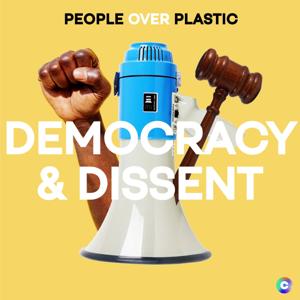


When we think about solving the plastic pollution crisis, we often think about beach cleanups and recycling - and for those of us that come from more privileged backgrounds, we strive to fit all our plastic waste for the year into a mason jar. The overarching thread here is problematic for two major reasons: we are marketed to believe plastic pollution is OUR fault as consumers, and that everyday people must clean up the mess we’ve gotten ourselves into. The culture of convenience may be at the root cause of the plastic pollution crisis, but who is behind creating and marketing a society hooked on plastic?
In the second episode of People Over Plastic, we zoomed into some core elements of environmental justice - like what it is and why it matters. Hear from Patrice Simms, an environmental attorney at EarthJustice who explains why it's critical to change the way decisions are made about individuals who are most impacted by them, especially Black communities who fall prey to industrial polluters. You’ll also hear from Filipino activist Froilan Grate of GAIA Asia Pacific who has a lot of experience exposing the failures behind the global recycling system and corporations’ double standards. Like Patrice, Froi raises the crucial perspective that people of color can create the space and seize the power that allows their voices to be heard.
Don’t forget to subscribe to People Over Plastic available on Spotify, iTunes, Anchor!
Resources:
From EarthJustice: How Big Oil is Using Toxic Chemicals as a Lifeline – and How We Can Stop It
Break Free From Plastic's Brand Audit 2021 Report
GAIA's report on Discarded: Communities on the Frontlines of the Global Plastic Crisis
It’s 2021: We’ve seen the videos, the nightly news clips, and the headlines that plastic pollution is a major threat to our planet. We unequivocally understand that we are drowning in a man-made material that pollutes our air, water, soil, and wildlife. But did you know that making plastic - cups, straws, bags, cutlery, styrofoam, pouches, polyester sweaters and yoga pants... is directly linked to the climate crisis and locks in cycles of harm to communities of color around the globe? 99% of plastic comes from fossil fuels and plastic production is a major driver of keeping the fossil fuel industry afloat. In order to tackle both the plastic pollution and the climate crisis, we must hold the fossil fuel industry to account.
In our inaugural episode, you’ll hear how fantasy-like art is transforming the cultural landscape of how we quite literally view plastic pollution. Artivist Von Wong’s latest project is a 30-foot levitating tap to remind governments and corporations that the plastic crisis needs to be front and center in decision-making. You'll also hear from Sharon Lavigne, a retired special ed teacher who recently halted Formosa Plastics from coming into her hometown. If built, the industrial complex would triple the levels of carcinogens in her community. Sharon lives in the heart of Louisiana's Cancer Alley, a region of the US which is already blighted by racism and exorbitant cancer rates from industry polluters.
Follow People Over Plastic on social media at @peopleXplastic on Instagram & Twitter.
Resources:
Get to know the most powerful voices in the global effort to fight back against plastic pollution. Join our host, Shilpi Chhotray, as we delve into real conversations when it comes to justice and sustainability — and who gets a seat at the table.
From the publisher's feed
People over Plastic (PoP) was the first podcast from Counterstream Media. Launched and Hosted by Shilpi Chhotray, the show ran for five impactful seasons from 2021-2024.
PoP…
Though PoP is no longer running, its impact remains: the show was ranked in Spotify’s Top 10 Podcasts for Society & Culture, one of the Top 100 New Orleans Podcasts, shortlisted by the International Womens Podcasting Awards, and listened to in 58 countries.
Our new show:
"A People's Climate" hosted by Shilpi Chhotray is currently running and available wherever you get your podcasts.
Learn more at apeoplesclimate.org