Plains Folk

Plains Folk

By Prairie PublicSociety & Culture
Download on the App Store

Plains Folk episodes

  • A Handful of Roses
    And the cowboys now as they roam the plain For they marked the spot where his bones were lain Fling a handful of roses o’er his grave With a prayer to him who his soul will save Recently I sang this stanza in a public performance of the classic cowboy song, “The Dying Cowboy,” better known as “Bury Me Not on the Lone Prairie.” It took a while: the standard version of the song, the Lomax text, runs to thirteen stanzas, plus choruses. That line about flinging roses onto the lonely grave is just
    6 min
  • The Deep, Deep Sea
    Oh bury me not in the deep, deep sea These words came faint and mournfully From the pallid lips of a youth who lay On his cabin couch from day to day That old Conrad Richter trope of the sea of grass, the tired cliche that the prairie is like the ocean - I never have bought into that. Evidently it works for some people, though, and now we have this lament - Bury me not in the deep, deep sea - showing up in a North Dakota farmhouse.
    6 min
  • Farmer is the Man
    Oh the farmer comes to town with his wagon broken down But the farmer is the man who feeds them all If you’ll only look and see, then I think you will agree That the farmer is the man who feeds them all Well, yes, we do have to agree that the farmer is the man who feeds them all. Because given what we have learned about the capacity of indigenous peoples to manage landscapes for food production, there is no clear line between farming and hunting and gathering.
    5 min
  • Texas Cowboy
    George F. Will, of Bismarck - ethnologist, archeologist, dendrochronologist, and son of the celebrated horticulturalist and seedsman, Oscar Will - was also, as disclosed in a previous essay, a songcatcher - a lover and collector of folksongs, particularly cowboy ballads. He published his folksong findings in the Journal of American Folklore in 1909 and 1913.
    5 min
  • Songcatchers
    If I were to say to you, Sing a couple lines of “Home on the Range” and I’ll give you twenty bucks, chances are you could win the twenty. How is it that old folksongs composed by obscure people like Brewster Highley, or by people we cannot even identify, are present and recallable in twenty-first century America?
    5 min
  • Indian Acres
    If you are unfamiliar with the classic of first farmers on the northern plains, Buffalo Bird Woman’s Garden , pick up a copy. I am making it the first core text for my college course, The North American Plains . For two reasons.
    5 min
  • Russian Roots
    In the course of that slow dance by which we people of the plains come to an understanding of the place we inhabit, we require many contributors. We commence with native knowledge, the product of centuries, even millennia of experience with the land. Layered on that we have the sense of the settler societies, who, however brief their experience, is at least well documented. There is a vital role, too, for public intellectuals on the plains--thinkers like Walter Prescott Webb, the historian, or

    6 min
  • Bad Seed
    In August of 1887 the Jamestown Alert sounded an alarm. “The Russian thistle,” writes the editor, “the seed of which was brought to the territory by some Russian emigrants, is spreading with great rapidity in Yankton county, where it has been started.
    5 min
  • Buffalo Skinners
    “Twas in the town of Jacksboro, in the spring of '83.” So recounts one of the great ballads of the Great Plains, “The Buffalo Skinners,” also known as “The Range of the Buffalo.” Tis the tale of an unfortunate lot of men who sign on to “spend one summer pleasantly” skinning buffalo on the Texas plains for a man named Crego. The song concludes when they “left old Crego’s bones to bleach on the range of the buffalo.”
    5 min
  • Allen’s Grove
    The groves of trees planted by settlers to meet the requirements of the Timber Culture Act of 1873--they did not fulfill the hopes of those who figured that tree-planting would modify the climate of the Great Plains. They did, however, have a positive effect on the cultural environment of the prairies. The groves became named landmarks and the summertime sites for all sorts of community activities. They were essential features of the settlement landscape.
    5 min

About Plains Folk

From the publisher's feed

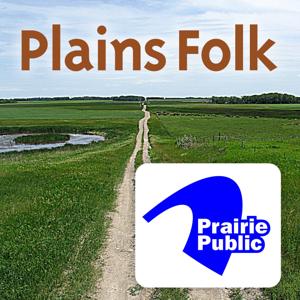
Plains Folk is a commentary devoted to life on the great plains of North Dakota. Written by Tom Isern of West Fargo, North Dakota, and read in newspapers across the region for years, Plains Folk…

More shows like Plains Folk

Marketplace by Marketplace

Marketplace

8,751 Listeners

Sawbones: A Marital Tour of Misguided Medicine by Justin McElroy, Dr. Sydnee McElroy

Sawbones: A Marital Tour of Misguided Medicine

14,816 Listeners

Pod Save America by Pod Save America

Pod Save America

87,101 Listeners

Up First from NPR by NPR

Up First from NPR

56,434 Listeners

Dakota Datebook by Prairie Public

Dakota Datebook

17 Listeners

Natural North Dakota by Prairie Public

Natural North Dakota

19 Listeners

Short Wave by NPR

Short Wave

6,584 Listeners