
Sign up to save your podcasts
Or

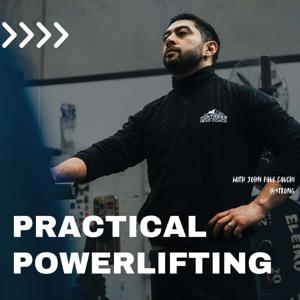


In this episode, I interview Alex Hayes, a prominent powerlifting coach from Sydney. We discuss Alex's journey into powerlifting coaching, the evolution of the sport in Australia, and the importance of practical experience over theoretical knowledge. Alex shares insights on the value of in-person coaching, the challenges of online coaching, and the significance of game day coaching. The conversation emphasises the need for coaches to develop their intuition and understanding of athletes, as well as the importance of collaboration and continuous learning in the coaching profession.
We delve into the intricacies of coaching in powerlifting, focusing on competition logistics, communication strategies, and the importance of understanding lifters' individual goals and mentalities. We discuss the evolution of their coaching philosophies, the significance of adapting communication styles to different lifters, and the common mistakes coaches make. The conversation also highlights the importance of building a community within online coaching and the need for coaches to balance pushing their athletes while supporting their personal journeys.
00:00 Introduction to Powerlifting Coaching
01:52 The Evolution of Powerlifting in Australia
04:35 Coaching Experience and Background
07:28 The Importance of In-Person Coaching
10:42 Learning Through Experience and Mentorship
13:28 The Role of Communication in Coaching
16:25 The Slow Burn of Coaching Success
19:27 Theoretical vs Practical Knowledge in Coaching
25:53 The Importance of Practical Experience in Coaching
27:51 Simplifying Coaching Metrics and Tracking
29:54 The Balance Between Data and Intuition
31:52 Finding Your Coaching Style and Recipe
37:34 The Art of Game Day Coaching
41:15 Learning from Experience and Mistakes
47:51 Communication Strategies on Game Day
53:19 Respecting Lifters' Goals and Experiences
58:33 Balancing Coaching and Performance
59:41 Understanding Lifters' Goals
01:01:22 The Cost of Commitment in Powerlifting
01:02:36 The Role of Comparison in Powerlifting
01:04:35 Adapting Communication Styles
01:07:36 The Emotional Chameleon: Coaching on Competition Day
01:10:17 Learning from Mistakes in Coaching
01:13:12 Maturity and Coaching Philosophy
01:15:50 Inspiration vs. Comparison in Coaching
01:19:10 Building Trust and Credibility as a Coach
01:22:52 The Evolution of Process Powerlifting Club
In this conversation, Jamie Smith shares his insights on coaching, the biopsychosocial model, and the importance of education in the fitness industry. He discusses his journey from personal trainer to gym owner and educator, emphasizing the need for a balance between objective data and subjective experiences in coaching. Jamie also highlights the significance of client engagement through conversations rather than forms, and how the environment can impact performance. This discussion offers valuable perspectives for coaches and fitness professionals looking to enhance their practice.
Jamie and I explore the complexities of coaching, particularly in the context of rapid growth and the balance between systems and subjectivity. We discuss the importance of individualisation in training, the role of communication, and the need for coaches to adapt to the dynamic nature of their clients. The conversation emphasises that while objective training principles are essential, the subjective experience of clients is equally crucial for long-term success. He shares insights on how to navigate these challenges, highlighting the importance of intuition and the need for coaches to listen to their clients' expectations while also providing guidance.
Chapters
00:00 Introduction and Background
03:25 The Journey to Opening a Gym
08:54 The Shift to Education and Mentorship
12:45 Coaching Philosophy and Subjective Experience
17:32 The Interplay of Objective and Subjective in Coaching
27:28 Dynamic Systems in Powerlifting
30:24 The Role of Subjectivity in Coaching
32:50 Balancing Objective and Subjective Measures
39:31 Top-Down vs. Bottom-Up Decision Making
48:58 Creating Systems for Coaching Consistency
55:51 Standardizing Coaching Approaches
57:48 The Essence of Coaching Services
01:00:01 Subjectivity vs Objectivity in Coaching
01:01:59 The Role of Intuition in Coaching
01:04:13 Engagement in Powerlifting
01:06:19 The Complexity of Powerlifting Training
01:10:03 The Importance of Enjoyment in Training
01:14:19 The Simplicity of Productive Training
01:17:12 Dynamic Systems in Coaching
01:21:56 Expectations and Beliefs in Coaching
01:24:27 Balancing Rigidity and Flexibility in Coaching
01:27:37 The Importance of Context in Coaching Decisions
01:30:24 Understanding the Value of Steps and Movement
01:33:21 The Subjectivity of Coaching and Education
01:36:28 Conclusion and Resources for Coaches
In this episode of Practical Powerlifting, I interview my wife, Billie Asprey, a seasoned powerlifting coach. We discuss Billie's journey into powerlifting, her coaching philosophy, and the importance of empathy in working with beginners. Billie shares her experiences in both online and in-person coaching, emphasizing the need for personal connection and understanding in the coaching process. The conversation also touches on the evolution of coaching practices, the significance of soft skills, and the future of coaching in the fitness industry.
Chapters
00:00 Introduction to the Podcast and Guests
01:35 Billie's Journey into Powerlifting
04:21 Coaching Philosophy and Passion for Beginners
07:22 Breaking Down Barriers in Strength Sports
10:10 Empathy in Coaching and Relating to Beginners
13:20 The Value of Early Experiences in Sports
16:27 Navigating the Transition from Self-Taught to Coached
19:13 Evolution of Coaching Practices Over Time
22:03 The Role of Online Coaching in Modern Fitness
27:28 The Journey to Coaching
33:51 Evolution of Online Coaching
39:41 Tailoring Coaching to Individual Needs
47:02 The Role of a Coach in Motivation
47:25 Challenges of Face-to-Face Coaching
54:30 The Future of Coaching
59:51 Strengths in Working with Beginners
From the publisher's feed