
Sign up to save your podcasts
Or

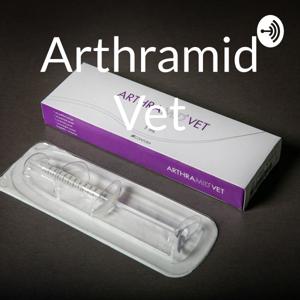

This episode is a replay of a recent live webinar. For the full video version including slides, diagrams, and live Q&A, please visit the Arthramid Canine YouTube channel (https://www.youtube.com/watch?v=BOwYo_ByFAA&t=17s)
In this session, the panel examines the safety profile and practical use of 2.5% Arthramid (iPAAG) in both dogs and horses. Drawing on published research, global post‑market data, and extensive clinical experience, the discussion provides an evidence‑based overview of what veterinarians can expect when using iPAAG across different joints, patient types, and clinical scenarios.
Key discussion themes
We'd like to thank you panelists for this discussion: Dr. Courtney Campbell | Stitches Veterinary Surgery, Long Beach, CADr. Jess Gleesher | Skilo Sports Medicine, Woodstock, MDDr. Carl Maritado | MedVet Medical and Cancer Centers, Cincinnati, OHModerated by Dr. Meg Green | Technical Services Veterinarian, Contura Vet
 View all episodes
 By Contura Vet
5
11 ratings
This episode is a replay of a recent live webinar. For the full video version including slides, diagrams, and live Q&A, please visit the Arthramid Canine YouTube channel (https://www.youtube.com/watch?v=BOwYo_ByFAA&t=17s)
In this session, the panel examines the safety profile and practical use of 2.5% Arthramid (iPAAG) in both dogs and horses. Drawing on published research, global post‑market data, and extensive clinical experience, the discussion provides an evidence‑based overview of what veterinarians can expect when using iPAAG across different joints, patient types, and clinical scenarios.
Key discussion themes
We'd like to thank you panelists for this discussion: Dr. Courtney Campbell | Stitches Veterinary Surgery, Long Beach, CADr. Jess Gleesher | Skilo Sports Medicine, Woodstock, MDDr. Carl Maritado | MedVet Medical and Cancer Centers, Cincinnati, OHModerated by Dr. Meg Green | Technical Services Veterinarian, Contura Vet