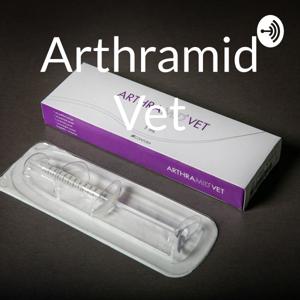
This episode is a recording of a seminar held in Cambridge, New Zealand, featuring presentations from Professor Wayne McIlwraith and Dr. Leigh de Clifford, introduced by host Dr. Jason Lowe. If you wish to watch the full episode with slides, please refer to our YouTube channel.
Professor Wayne McIlwraith, BVSc, PhD, DSc, FRCVS, DACVS, is a University Distinguished Professor at Colorado State University, founding director of the Orthopaedic Research Center, and namesake of the C. Wayne McIlwraith Translational Medicine Institute. A New Zealand native, he is a past president of both the American College of Veterinary Surgeons and the American Association of Equine Practitioners, an inductee into the International Equine Research Hall of Fame, and a recipient of the New Zealand Order of Merit for services to the veterinary industry. He has authored over 500 scientific publications and seven textbooks, and is recognized globally as a pioneer in equine arthroscopic surgery and joint disease research.
Dr. Leigh de Clifford is the Technical Service Veterinarian for Contura Vet, with over 12 years of clinical and research experience using Arthramid across racing and equestrian disciplines worldwide.
Dr. Jason Lowe, Chief Veterinary Officer for Contura Vet, opens the seminar with an overview of the Arthramid research timeline and the company's commitment to ongoing science across species.
In this episode, you will learn:
How 2.5% iPAAG integrates into the sub-intimal layer of the synovial membrane and why this mechanical pathway sets it apart from conventional drug-based therapies
The significance of the FDA's classification of Arthramid as a veterinary medical device and what that distinction means
Why synovitis is a major driver of osteoarthritis and how inflammation of the synovial membrane, not cartilage degradation alone, sits at the center of joint disease
Results from the CSU carpal chip fragment model showing that Arthramid restored normal joint capsule elasticity in osteoarthritic joints, while untreated joints exhibited significantly increased stiffness
How the macrophage-driven response to iPAAG is transient, peaking around 42 days and resolving by 90 days without fibrosis or granuloma formation
Evidence of cartilage preservation in treated joints, including retained proteoglycan staining compared to controls
Findings from a retrospective analysis of 701 thoroughbred racehorses treated at a single practice in Melbourne over a seven-year period, including long-term safety data and career performance outcomes in 214 horses
Why multiple injections in a single joint showed no increase in adverse events and no detrimental impact on race starts or career length
The limitations of corticosteroids in racing, including increased fracture hazard ratios after repeated use and tightening regulatory environments
Whether you are a veterinarian looking for the latest research on iPAAG or a horse owner wanting to understand the science behind this treatment, this episode offers a comprehensive look at the evidence supporting Arthramid in equine joint health.
Subscribe and share with your colleagues so you never miss an episode.
Learn more at arthramid.com