
Sign up to save your podcasts
Or

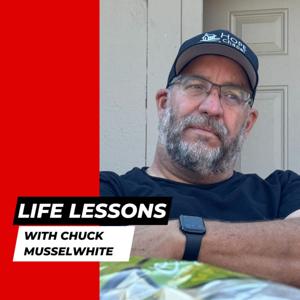


Christians are called to be salt and light in the world, and that calling does not stop at the doors of the church. Scripture speaks clearly to issues of gender, the sanctity of life, and the role of government, and believers are responsible for engaging those issues through a biblical lens. The culture war between Christian and secular worldviews has largely been decided in favor of secularism, but that is not a reason for despair. The early church thrived as a minority in a pagan empire, not through institutions, but through relationships. The kingdom of God still grows one person, one meal, and one conversation at a time. Every Christian should ask how many unbelievers they are genuinely connected to, and take one concrete step this week to be salt and light in their immediate world.
King Ahab stands as one of the Bible's clearest examples of a man who refused to receive correction. When the prophet Elijah announced a drought as direct judgment from God, Ahab responded with silence and stubbornness rather than repentance. His pattern of deflecting correction ultimately cost him everything. Pride is often the root of our resistance, keeping us from admitting we are wrong and preventing real growth. Every man needs to learn how to own his mistakes publicly, consider criticism before rejecting it, and pay attention to the body language he brings into hard conversations. How we handle correction reveals a great deal about where we are in our walk with Christ.
King Ahab had everything the world calls strength: political power, accomplishments, and influence. But beneath all of it, he was hollow. He led Israel into deeper sin, refused accountability, and chased his own comfort at the expense of everyone counting on him. True strength is not about image or achievement. It is about taking responsibility, embracing God's standard, and leading well in the roles He has given you. Ahab's life is a warning, but it is also an invitation. God pursued Ahab relentlessly, and He pursues us the same way. The question is whether we will respond differently than Ahab did.
Most people never connect their physical or emotional struggles to their spiritual condition, but Scripture makes a direct link between unrepentant sin and real-world consequences. In 1 Corinthians 11, the Apostle Paul warns that taking communion with unconfessed sin can result in weakness, illness, and even death. Many believers have allowed communion to become routine, approaching the table without first examining their hearts. Paul's instruction is clear: self-examination before communion is not optional. Unconfessed sin creates a spiritual weight that bleeds into emotions, relationships, and physical health. The good news is that confession does not have to be complicated. A simple, honest, and specific prayer to God is all it takes, and He is faithful to forgive. Walking in that forgiveness brings real and tangible freedom.
Just because something is allowed doesn't mean it's good for you. Paul makes this clear in 1 Corinthians 10:23, reminding us that not everything permissible is beneficial or builds us up. Too often, Christians settle for asking whether something is technically legal rather than whether it is genuinely helpful for their walk with God. Our habits and choices carry real costs, affecting our spiritual clarity, our relationships, and our influence on others. Self-denial is not about willpower alone. It requires leaning on God and being honest about what is and isn't drawing us closer to Him. We are also called to consider how our freedom affects those around us, especially those who are newer or weaker in their faith. The standard for our decisions should be the biblical standard, not culture, convenience, or what we can technically get away with.
Speaking the truth comes with a cost, but the world's rejection of truth is not a sign that the truth is wrong. It is a sign that the truth is working. Many believers today are staying silent out of fear, but silence is no longer neutral. It is a choice. Speaking the truth in love does not mean being timid or softening the message until it loses its edge. It means caring enough about someone's eternal destiny to say what needs to be said. You are not doing this alone. The Holy Spirit empowers even the quietest believer to speak with boldness and authority. The world may call you foolish, but the cross looked foolish too.
Division is one of the most destructive forces a church can face, and the Bible calls believers to stay alert when it shows up. In Romans 16, the Apostle Paul warns against those who cause divisions and create obstacles for people following Jesus Christ, noting that these individuals often operate through smooth talk and flattery. Conflict in the church is inevitable because people are in it, but that does not mean it has to be destructive. Strong, biblically grounded leadership is one of the most important defenses a church has. When division comes, the call is clear: stay rooted in Christ, pray for your leaders, stand on biblical truth, and keep the focus on the mission of the gospel. The church should be a place where people find hope, and that is worth protecting.
Hear the story of David and Goliath like never before. We examine why righteous indignation was the key to David's victory. This breakdown explores the classic biblical stories through a fresh lens, specifically focusing on the moment Goliath insults God. If you have ever wondered why David stood his ground against impossible odds, this analysis connects the historical context of the battle with the emotional weight behind David's actions. We look closely at the tension in the narrative and what it means to stand up for your faith. By analyzing the specific insults Goliath leveled, we can better understand the mindset required to face giants in our own lives. This study aims to provide clarity on why this confrontation remains one of the most powerful accounts in scripture. Whether you are a student of the Bible or just interested in the history of the text, this perspective offers a grounded look at a pivotal moment.Subscribe for weekly scripture breakdowns, and comment below on which biblical figure you want to see analyzed next.
From the publisher's feed