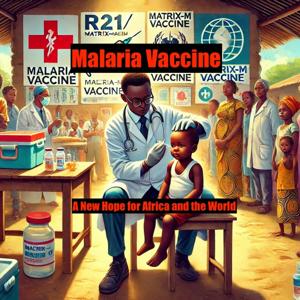
# Malaria Vaccine Development Shows Promise as Global Control Efforts Accelerate
Recent developments in malaria prevention paint an increasingly optimistic picture for global health efforts. According to Pharmacy Times, researchers have reported encouraging findings from a first-in-human clinical trial evaluating a new multistage malaria vaccine designed to induce immune responses against both the pre-erythrocytic and blood stages of Plasmodium falciparum. This represents a significant departure from existing vaccine strategies that target only single stages of the parasite's lifecycle.
The experimental vaccine combines antigens expressed at different points in the parasite's development, aiming to block infection before parasites reach the bloodstream while also limiting disease progression if breakthrough infections occur. The phase 1 and 2a trial, published in The Lancet Infectious Diseases, included healthy adult volunteers who underwent controlled human malaria infection after receiving different vaccine doses. Researchers reported that the vaccine demonstrated a favorable safety profile with only mild to moderate adverse events, including injection site reactions and short-lived systemic symptoms similar to those seen with other malaria vaccine candidates.
Most importantly, the vaccine showed meaningful protective efficacy. According to Pharmacy Times, a subset of vaccinated participants experienced delayed parasitemia or complete protection following challenge, with immunologic analyses indicating that vaccination elicited both antibody and cellular responses against multiple parasite antigens. This multistage approach aligns with long-standing calls within the malaria research community to move beyond single-antigen strategies.
The breakthrough comes at a critical moment in global malaria control. The World Health Organization's latest assessment reveals that existing vaccines like RTS,S and R21 provide only limited protection and their effectiveness diminishes over time. However, the WHO reports that in 2025, Georgia, Suriname, and Timor-Leste were certified malaria-free, while seven additional countries in Africa introduced malaria vaccines. This brings the total to 24 countries reaching more than 10 million children annually.
The broader malaria prevention picture also shows progress through other interventions. According to the WHO, wider use of new tools against malaria, including dual-ingredient nets and WHO-recommended vaccines, helped prevent an estimated 170 million cases and 1 million deaths in 2024. Despite these achievements, challenges persist. The WHO notes that fewer than half of people at risk sleep under an insecticide-treated net, and uptake of preventive treatment in pregnancy remains well below targets.
Pharmacy Times emphasizes that continued investment in multistage vaccine research may ultimately lead to more effective, long-lasting protection against malaria. Experts quoted in the report stress that having a first multistage malaria vaccine with proven efficacy represents a key achievement, as there is consensus within the malaria community on the need to cover as many parasite stages as possible.
As malaria remains one of the deadliest infectious diseases, responsible for approximately 249 million cases and over 600,000 deaths globally every year, these developments offer renewed hope for achieving long-term control and eventual eradication of the disease.
This content was created in partnership and with the help of Artificial Intelligence AI



 View all episodes
