
Sign up to save your podcasts
Or

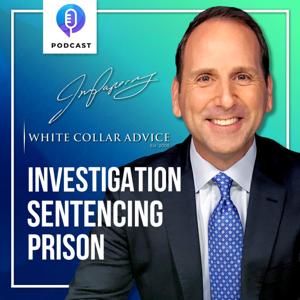

After 16 years in this space, patterns repeat. I describe a former U.S. Attorney—now a defense lawyer—calling a false-statements case "ridiculous." The irony? He once brought the same kind of case as a prosecutor. Not because it was justice, but because he could.
False-statement cases are easy to charge and hard to undo. DOJ data shows they're often stacked to increase leverage, not clarity. Assuming a case will "get dropped" is how people misjudge risk and lose control.
Understand incentives, not excuses. Prepare accordingly. Join our weekly webinar every Tuesday at 11AM Pacific / 2PM Eastern
Justin Paperny
 View all episodes
 By Justin Paperny

4.9
1717 ratings
After 16 years in this space, patterns repeat. I describe a former U.S. Attorney—now a defense lawyer—calling a false-statements case "ridiculous." The irony? He once brought the same kind of case as a prosecutor. Not because it was justice, but because he could.
False-statement cases are easy to charge and hard to undo. DOJ data shows they're often stacked to increase leverage, not clarity. Assuming a case will "get dropped" is how people misjudge risk and lose control.
Understand incentives, not excuses. Prepare accordingly. Join our weekly webinar every Tuesday at 11AM Pacific / 2PM Eastern
Justin Paperny
78,636 Listeners

228,383 Listeners

6,466 Listeners

111,948 Listeners

56,508 Listeners

10,182 Listeners