
Sign up to save your podcasts
Or

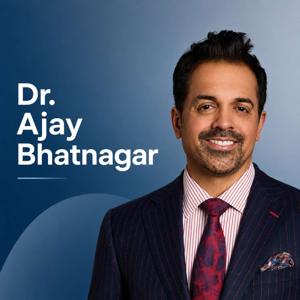


📌 To learn more about Dr. Ajay Bhatnagar, visit www.prostatecancerusa.com
The claim sounds impossible. Prostate cancer treated in a single 30 minute outpatient visit with a cure rate above 98 percent. I know how that sounds, but I have been telling patients this for 20 years and it is still true.
In this episode, I'm going to walk you through how LDR brachytherapy treats localized prostate cancer in one outpatient visit, using a real patient case to show exactly who qualifies and why the timeline is so different from surgery or external radiation.
⏱️ TIMESTAMPS
0:00 This Prostate Cancer Treatment Takes 30 Minutes
0:22 Meet Tom, a business owner facing surgery
1:33 Why surgery and radiation both looked like losing
2:31 The third option nobody told him about
3:04 How the seed implant procedure actually works
5:53 Why local anesthesia changes everything
5:59 Who qualifies for brachytherapy
7:16 Real side effects and outcomes explained 8:04 The four words that change the conversation
❓ QUESTIONS ANSWERED
Who qualifies for LDR brachytherapy for prostate cancer?
Men with a prostate gland under 60 grams and cancer contained within the prostate typically qualify, which covers most men since average prostate size falls between 30 and 40 grams. If the gland is larger, 3 to 6 months of hormone therapy can shrink it enough to qualify.
How long does prostate brachytherapy treatment take?
The seed implant procedure itself takes about 30 to 45 minutes and is done in a single outpatient visit under local anesthesia, with no daily clinic trips afterward. The radioactive seeds continue treating the cancer from inside the prostate for about 60 days before going inert.
What are the side effects of prostate seed implants?
Most men experience urinary frequency, some urgency, and mild burning for one to three months, but this does not usually stop them from working. Long term outcomes show about 76 percent of men keep sexual function when a rectal spacer and peripheral seed loading technique are used.
📱 RESOURCES
Website: https://www.remagin.com
Instagram: https://www.instagram.com/dr_rad_ajay/
TikTok: https://www.tiktok.com/@drradajay
🔔 Subscribe for straight breakdowns of prostate cancer treatment options, what the data actually shows, and what to ask before you make any decision.
ABOUT DR. AJAY BHATNAGAR:
Dr. Ajay Bhatnagar is a board-certified radiation oncologist and interventional oncologist with over 20 years of experience and more than 15,000 patients treated. He is the founder of the Prostate Cancer Institute of America and has dedicated the second half of his career to reviving LDR brachytherapy for men with localized prostate cancer across the country. He is the author of Modern Low Dose Rate Brachytherapy for Prostate Cancer: A Comprehensive Guide for Urologists.
#ProstateCancer #ProstateCancerTreatment #Brachytherapy #CancerTreatment #ProstateCancerSurvivor
🎁 To learn more about Dr. Ajay Bhatnagar, visit www.prostatecancerusa.com
Active surveillance or brachytherapy. If you were just diagnosed with low risk prostate cancer, somebody probably said both words to you and sent you straight to the internet. Here is what the data actually shows, and why one option sounds safer than it is.
In this episode, I'm going to break down the real evidence behind active surveillance versus one time brachytherapy, and show you the exact questions that separate a real surveillance plan from a waiting room with a different name.
⏱️ TIMESTAMPS
0:00 Fastest Prostate Cancer Treatment? (Cancer Doctor Explains)
0:47 Why active surveillance sounds appealing
2:06 The number your doctor may not tell you
2:35 What a real trigger threshold looks like
3:37 Stephen's story, low risk to Gleason 8
5:08 How brachytherapy actually works
6:24 Cure rates and side effects compared
7:00 Intermediate and high risk, the ADT gap
9:00 Michael and Ricky, two real outcomes
10:57 The two questions to ask your doctor
❓ QUESTIONS ANSWERED
What percentage of men on active surveillance eventually need treatment?
About 75 percent of men on active surveillance for prostate cancer eventually require active treatment, meaning surveillance is often a delay rather than a permanent path.
What is a trigger threshold in active surveillance?
A trigger threshold is a specific, written PSA number or biopsy finding that tells your doctor exactly when to stop watching and start treatment. If your plan does not have one, it is not a real surveillance plan.
How does brachytherapy compare to surgery for prostate cancer?
LDR brachytherapy is a single 30 minute outpatient procedure with a cure rate above 98 percent for low and intermediate risk prostate cancer, compared to about 95 percent for surgery and external beam radiation, with far lower rates of impotence and incontinence.
📱 RESOURCES
Website: https://www.remagin.com
Instagram: https://www.instagram.com/dr_rad_ajay/
TikTok: https://www.tiktok.com/@drradajay
🔔 Subscribe for straight breakdowns of prostate cancer treatment options, what the data actually shows, and what to ask before you make any decision.
ABOUT DR. AJAY BHATNAGAR:
Dr. Ajay Bhatnagar is a board-certified radiation oncologist and interventional oncologist with over 20 years of experience and more than 15,000 patients treated. He is the founder of the Prostate Cancer Institute of America and has dedicated the second half of his career to reviving LDR brachytherapy for men with localized prostate cancer across the country. He is the author of Modern Low Dose Rate Brachytherapy for Prostate Cancer: A Comprehensive Guide for Urologists.
#ProstateCancer #ProstateCancerTreatment #Brachytherapy #CancerTreatment #ProstateCancerSurvivor
📌 To learn more about Dr. Ajay Bhatnagar, visit www.prostatecancerusa.com
If you just got a prostate cancer diagnosis and your doctor gave you two options, surgery or radiation, and told you to think it over, stop and watch this first. Most men make this decision using a list that only reflects what one clinic offers, not what actually gives the best outcome. That one blind spot changes lives.
In this episode, I'm going to walk you through the exact four steps I would take if I were diagnosed with prostate cancer tomorrow, in order, with the reasoning behind each one.
⏱️ TIMESTAMPS
0:00 Before You Pick a Prostate Cancer Treatment, Do This
0:38 The list problem no one talks about
1:38 Step one: don't commit at the first visit
2:11 Why waiting a few weeks is almost always safe
2:57 Step two: get outcome numbers side by side
4:36 What surgery doesn't tell you upfront
5:33 The hidden cost of hormone therapy with radiation
6:00 Step three: find out if you qualify for LDR brachytherapy
9:39 Step four: decide only after the full comparison
❓ QUESTIONS ANSWERED
What should I do first after a prostate cancer diagnosis? Before agreeing to any treatment, ask for a full comparison of every option, including ones your current doctor's clinic doesn't perform. Low and intermediate risk prostate cancer rarely requires an urgent decision, so taking two or three weeks to gather information does not change your outcome.
What are the risks of prostate cancer surgery versus other options? Robotic prostatectomy in men over 65 carries more than a 65 percent rate of permanent impotence and more than a 25 percent rate of long term incontinence, plus months of recovery. External beam radiation for intermediate risk disease often requires six months of hormone therapy, which brings its own side effects like hot flashes, impotence, and fatigue.
Who qualifies for LDR brachytherapy for prostate cancer? Men with a prostate under 60 grams generally qualify for LDR brachytherapy, a one time outpatient procedure that takes about 30 minutes. Cure rates are above 98 percent, and roughly 76 percent of men keep their sexual function afterward.
📱 RESOURCES
Website: prostatecancerusa.com
TikTok: https://www.tiktok.com/@drradajay
YouTube: https://www.youtube.com/@pcia2024
🔔 Subscribe for straight breakdowns of prostate cancer treatment options, what the data actually shows, and what to ask before you make any decision.
ABOUT DR. AJAY BHATNAGAR:
Dr. Ajay Bhatnagar is a board-certified radiation oncologist and interventional oncologist with over 20 years of experience and more than 15,000 patients treated. He is the founder of the Prostate Cancer Institute of America and has dedicated the second half of his career to reviving LDR brachytherapy for men with localized prostate cancer across the country. He is the author of Modern Low Dose Rate Brachytherapy for Prostate Cancer: A Comprehensive Guide for Urologists.
#ProstateCancer #ProstateCancerTreatment #Brachytherapy #CancerTreatment #ProstateCancerSurvivor
📌 To learn more about Dr. Ajay Bhatnagar, visit www.prostatecancerusa.com
Why do some men walk out of a prostate cancer diagnosis knowing every option available to them, while others never hear about the treatment with the highest cure rate? It usually comes down to one thing. The doctor you see first.
In this episode, I'm going to show you why your list of treatment options is really just a list of what your first doctor's office offers, and the one question you can ask to find out if you got the whole picture.
⏱️ TIMESTAMPS
0:00 Your "Prostate Cancer Decision" Has Nothing to Do with Your Cancer. Here's What It's Actually About.
0:35 Why your doctor's list reflects his office, not every option
1:32 Why brachytherapy has such high cure rates
1:56 Surgery side effects most men are not told upfront
2:11 What external beam radiation and hormone therapy actually involve
2:52 Why clinics stopped offering brachytherapy
3:40 The real questions to ask your doctor
4:29 Real patient stories: Ricky and Tom
6:22 The one question to ask at your next appointment
❓ QUESTIONS ANSWERED
Why doesn't my doctor mention every prostate cancer treatment option?
Doctors typically only present the treatments their own clinic offers, not every option that exists for your specific cancer. This means a treatment left off your list may simply be a business decision, not a medical one.
What is LDR brachytherapy and how effective is it?
LDR brachytherapy, also called the prostate seed implant, has a cure rate above 98% for localized prostate cancer. The procedure takes about 45 minutes, patients go home the same day, and most men keep their sexual function afterward.
How do surgery and radiation side effects compare to brachytherapy?
More than 65 out of 100 men who have surgery deal with permanent impotence, and more than 25 out of 100 have long term bladder leakage, with months of recovery. External beam radiation often requires daily visits for up to two months plus six months of hormone therapy, which causes hot flashes, fatigue, weight gain, and muscle loss.
📱 RESOURCES
Website: prostatecancerusa.com
TikTok: https://www.tiktok.com/@drradajay
YouTube: https://www.youtube.com/@pcia2024
🔔 Subscribe for straight breakdowns of prostate cancer treatment options, what the data actually shows, and what to ask before you make any decision.
ABOUT DR. AJAY BHATNAGAR:
Dr. Ajay Bhatnagar is a board certified radiation oncologist and interventional oncologist with over 20 years of experience and more than 15,000 patients treated. He is the founder of the Prostate Cancer Institute of America and has dedicated the second half of his career to reviving LDR brachytherapy for men with localized prostate cancer across the country. He is the author of Modern Low Dose Rate Brachytherapy for Prostate Cancer: A Comprehensive Guide for Urologists.
#ProstateCancer #ProstateCancerTreatment #Brachytherapy #CancerTreatment #ProstateCancerSurvivor
📌 Learn more about Dr. Ajay Bhatnagar at www.prostatecancerusa.com
Proton beam costs $100,000 and takes two months of daily visits. For prostate cancer, the data shows it gets outcomes no better than a 45 minute procedure most men have never heard of. If you are being told proton beam is the most advanced option, you deserve to see the numbers before you sign off on treatment.
In this episode, I'm going to break down what the research actually shows when proton beam is compared to LDR brachytherapy for localized prostate cancer, and why the more expensive option is not always the better one.
⏱️ TIMESTAMPS
0:00 Proton Beam Is NOT the Most Advanced Radiation for Prostate Cancer (Here's What Actually Is)
0:29 My 20 years watching men overpay for treatment
0:30 Why proton beam sounds like the most advanced option
1:24 Why precision doesn't matter the same way for prostate cancer
2:17 What the studies show when comparing outcomes
3:10 Questions to ask before you decide on treatment
4:17 What the evidence actually supports
5:58 How to raise this at Your next appointment
7:26 The bottom line on proton beam vs brachytherapy
❓ QUESTIONS ANSWERED
Is proton beam therapy better than other radiation for prostate cancer?
No. Studies comparing proton beam to standard radiation for prostate cancer consistently show no meaningful difference in cure rates or side effects. The precision advantage that helps in other cancers does not apply to the prostate because it sits deep in the pelvis surrounded by soft tissue that moves and shifts during treatment.
How does LDR brachytherapy compare to proton beam for prostate cancer?
LDR brachytherapy uses radioactive seeds placed directly inside the prostate and shows cure rates above 97 percent for low and intermediate risk prostate cancer. It takes about 45 minutes, most men go home the same day, and it costs a fraction of what proton beam therapy costs over a full course of treatment.
Why do so few doctors offer brachytherapy for prostate cancer
Brachytherapy became less common in U.S. clinics roughly 15 years ago as other treatments became more widely available and reimbursement models shifted. Fewer doctors are trained to perform it now, so it often does not come up as an option during consultations even though outcomes remain excellent.
📱 RESOURCES
Website: https://www.remagin.com
Instagram: https://www.instagram.com/dr_rad_ajay/
TikTok: https://www.tiktok.com/@drradajay
🔔 Subscribe for straight breakdowns of prostate cancer treatment options, what the data actually shows, and what to ask before you make any decision.
ABOUT DR. AJAY BHATNAGAR:
Dr. Ajay Bhatnagar is a board-certified radiation oncologist and interventional oncologist with over 20 years of experience and more than 15,000 patients treated. He is the founder of the Prostate Cancer Institute of America and has dedicated the second half of his career to reviving LDR brachytherapy for men with localized prostate cancer across the country. He is the author of Modern Low Dose Rate Brachytherapy for Prostate Cancer: A Comprehensive Guide for Urologists.
#ProstateCancer #ProstateCancerTreatment #Brachytherapy #CancerTreatment #ProstateCancerSurvivor
📌 To learn more about Dr. Ajay Bhatnagar, visit prostatecancerusa.com
Three out of four men told their prostate cancer is "low risk" end up needing treatment anyway. That number isn't a scare tactic, it's published data that most patients on active surveillance never hear.
If your plan hasn't changed in months, you may not be in surveillance anymore. You may just be waiting. And the difference between those two things can change your outcome entirely.
In this episode, I'm going to walk you through the 5 signs that tell the difference between a prostate cancer plan that's actually working and one that's running on autopilot.
⏱️ TIMESTAMPS
0:00 - The statistic your doctor probably never told you
0:32 - Sign 1: Your PSA went up and nothing changed
1:13 - Why PSA velocity matters more than a single number
1:40 - Sign 2: You've never seen a side-by-side treatment comparison
2:03 - What published outcome data actually shows
2:42 - Sign 3: Brachytherapy was never mentioned
3:06 - What a 45-minute outpatient procedure can do
4:01 - Sign 4: "Low risk" was treated as a finish line
5:06 - Sign 5: Your surveillance has no defined trigger to act
5:31 - What to bring to your next appointment
❓ QUESTIONS ANSWERED
What does "low-risk" prostate cancer actually mean?
"Low risk" describes how your cancer looks today based on grade and stage. It says nothing about where it is headed. Roughly 75% of men on active surveillance eventually need active treatment, which means a watch-and-wait plan is not the same as a safe plan.
What is brachytherapy and why don't most doctors mention it?
Brachytherapy is a 45-minute outpatient prostate cancer procedure with a published cure rate above 98% for low and intermediate cases. Most doctors do not bring it up because they do not perform it themselves - meaning your options list may be incomplete before you ever make a decision.
How do you know if your active surveillance plan is too passive?
Key warning signs include a PSA that has risen two or more appointments in a row with no new biopsy ordered, no defined threshold for when treatment would start, and never being shown a comparison of all available treatment options. If none of those conversations have happened, your plan may be passive by default, not by design.
📱 RESOURCES
Website: https://www.remagin.com
Instagram: https://www.instagram.com/dr_rad_ajay/
TikTok: https://www.tiktok.com/@drradajay
YouTube: https://www.youtube.com/@DrAjayBhatnagar
🔔 Subscribe for straight breakdowns of prostate cancer treatment options, what the data actually shows, and what to ask before you make any decision.
ABOUT DR. AJAY BHATNAGAR:
Dr. Ajay Bhatnagar is a board-certified radiation oncologist and interventional oncologist with over 20 years of experience and more than 15,000 patients treated. He is the founder of the Prostate Cancer Institute of America and has dedicated the second half of his career to reviving LDR brachytherapy for men with localized prostate cancer across the country. He is the author of Modern Low Dose Rate Brachytherapy for Prostate Cancer: A Comprehensive Guide for Urologists.
#ProstateCancer #ProstateCancerTreatment #Brachytherapy #CancerTreatment #ProstateCancerSurvivor
📌 To learn more about Dr. Ajay Bhatnagar, visit prostatecancerusa.com
The prostate cancer treatment with the highest cure rate and the lowest side effect risk is also the one most men never hear about from their doctor.
Thousands of men have chosen higher-risk treatments because they didn't know this existed. After seeing more than 15,000 patients, I keep having the same conversation.
In this episode, I'm going to show you the procedure most cancer clinics stopped offering, the numbers most men never see before they decide, and the one question that tells you everything about whether your doctor is giving you the full picture.
⏱️ TIMESTAMPS
0:00 The prostate cancer treatment with the highest cure rate most men never hear about
0:53 Cure rates compared: surgery, external beam, and LDR brachytherapy side by side
1:20 Sexual function and incontinence outcomes: what the data actually shows
2:15 Real patients, no downtime: back to work and active the next day
3:06 Why brachytherapy disappeared from most clinics (it is not about outcomes)
3:53 Questions your doctor should have answered at your last visit
4:48 Why LDR brachytherapy is the best choice for most localized prostate cancer
5:46 High-risk prostate cancer: triple therapy cure rate vs standard radiation alone
7:02 The one question to ask your doctor before scheduling any treatment
7:55 What a good answer looks like, and what a bad one sounds like
❓ QUESTIONS ANSWERED
What is LDR brachytherapy for prostate cancer?
LDR brachytherapy is a 30-minute outpatient procedure where radioactive seeds are placed directly into the prostate to destroy the cancer. It achieves a cure rate above 98% for localized prostate cancer and has the highest rate of preserved sexual function of any treatment option.
Does prostate cancer treatment cause permanent impotence?
It depends on the treatment. More than 65% of men over 70 experience permanent impotence after surgery. With LDR brachytherapy, 76% of men retain sexual function, particularly when function was good before the procedure.
Why don't most doctors offer prostate brachytherapy?
Brachytherapy fell out of practice primarily because it generates the least revenue of any radiation option, requires a specialized radioactive materials license most doctors don't hold, and the physicians trained in it retired without passing the skill to the next generation.
📱 RESOURCES
Website: prostatecancerusa.com
TikTok: https://www.tiktok.com/@drradajay
YouTube: https://www.youtube.com/@DrAjayBhatnagar
🔔 Subscribe for straight breakdowns of prostate cancer treatment options, what the data actually shows, and what to ask before you make any decision.
ABOUT DR. AJAY BHATNAGAR:
Dr. Ajay Bhatnagar is a board-certified radiation oncologist and interventional oncologist with over 20 years of experience and more than 15,000 patients treated. He is the founder of the Prostate Cancer Institute of America and has dedicated the second half of his career to reviving LDR brachytherapy for men with localized prostate cancer across the country.
He is the author of Modern Low Dose Rate Brachytherapy for Prostate Cancer: A Comprehensive Guide for Urologists.
#ProstateCancer #ProstateCancerTreatment #Brachytherapy #CancerTreatment #ProstateCancerSurvivor
From the publisher's feed
Dr. Ajay Bhatnagar is a radiation oncologist and the leading expert in LDR Brachytherapy (prostate seed implant) in the United States.
He has performed this procedure on…
This podcast covers what most men with prostate cancer never hear from their doctor: why surgery is not the right choice for every man, why external beam radiation carries risks most oncologists don't mention, and why the one-time outpatient treatment with the highest cure rate and the best quality-of-life outcomes has quietly disappeared from most practices in America — and what that means for you.
Videos on prostate cancer treatment options, prostate brachytherapy, second opinions, and how to make a fully informed decision about your cancer care.
New videos every week. Because the treatment your doctor didn't mention might be the best one for you.
Dr. Ajay Bhatnagar is a radiation oncologist and the leading expert in LDR Brachytherapy (prostate seed implant) in the United States. He has performed this procedure on thousands of patients and built the only practice in the country exclusively dedicated to this treatment.
This channel covers what most men with prostate cancer never hear from their doctor: why surgery is not the right choice for every man, why external beam radiation carries risks most oncologists don't mention, and why the one-time outpatient treatment with the highest cure rate and the best quality-of-life outcomes has quietly disappeared from most practices in America — and what that means for you.
Episodes on prostate cancer treatment options, prostate brachytherapy, second opinions, and how to make a fully informed decision about your cancer care.
New episodes every week. Because the treatment your doctor didn't mention might be the best one for you.