
Sign up to save your podcasts
Or

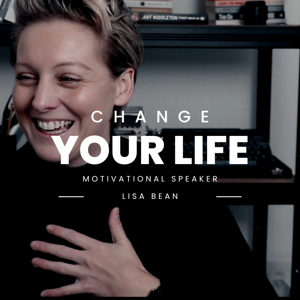

In order to grow your business as an entrepreneur, you must have a clear answer for these three questions:
Finding the answer to these questions is a lot about experimentation in the beginning. You begin with a hypothesis, which says: "I think that if I turn up here, in this way, and offer this service, people will buy". This is not only about making informed decisions between multiple options, it's about going out and testing your hypothesis in real life, in the market. You test that hypothesis, get feedback, tweak and go again. You keep doing this until you have the answer, then you repeat that.
This video was filmed at a recent DARETOGROW / Live event. I introduce the model, explain each stage, and encourgage business owners to find and test the three levels in their own business.
What's Covered in This Episode:00:00 – The only three things required to turn on sales 00:45 – What "Reach" actually means (and why strangers matter) 02:30 – Why shouting in the wrong room kills sales 04:10 – Brand is not logos, PR or aesthetics 06:00 – Why unclear websites repel buyers 08:30 – Sales as a separate, deliberate activity 11:20 – The signature programme model 14:30 – Selling without a fancy website 17:00 – "Whatever it takes" and finishing the thing 19:40 – The one exercise every business owner must do
–
REACH: Why Strangers Are the Only Way You GrowLisa is very clear about this:
If strangers are not finding you, your business will not grow.
Full stop.
Reach means breaking into new markets — getting in front of people who have never heard of you before but already want what you sell.
There are people right now:
Searching
Asking
Enquiring
Buying
And if they're not buying from you, it's not because they don't want your solution.
It's because they didn't find you.
Lisa uses a simple metaphor:
A man on a market shouting "Potatoes! Two dozen!"
That's business.
But:
A food market for that product beats a general market
Saturday beats Monday (more footfall)
9–5 beats 3am (when people are shopping)
Yet most business owners keep "showing up" in rooms where their customers aren't even there — because it feels cosy, familiar, and safe.
BRAND: How do you Build Trust, Quickly?
Brand isn't just:
Logos
PR tags
"As seen in" badges
Brand is what someone experiences after Reach has worked.
It's what happens when they:
Click your Instagram
Click your YouTube
Visit your website
Watch something
Read something
They should instantly understand:
Your approach
Your methodology
What makes you different
Who you help
How you think
The brand of trust you build should do the heavy lifting before the call. For example:
SALES: Inviting Customers to the Next StepSales is a separate activity from reach and brand building.
Sales is where you say:
"Here's the offer"
"Here's what it is"
"Here's the price"
"Here's how to begin"
Lisa believes every business should have:
One signature programme
A clear upsell
A clear downsell
Everything else is:
A lead magnet
A paid trial
A micro-offer
An innovation
This is because of the time involved in producing these offers. A lot of early entrepreneurs make the mistake of spreading themselves too thinly and never having the time to truly focus on learning to sell one thing well.
A Challenge:
Can you write one sentence or one short paragraph for each of these:
1. REACHHow are new potential clients finding you?
Examples:
"I attend six networking events a month."
"I speak at two events every month."
"I post Instagram Reels (trial mode) and reach 500 new people weekly."
"My impressions are growing month on month."
If you can't show this – growth will not happen.
2. BRANDWhat can people click, watch, or read to understand you?
What explains your process?
Where do they hear what you think?
What demonstrate how you work?
What makes you you?
What pulls new customers to the front of the room? It could be:
A webinar
A discovery call
A programme start date
An invitation to talk
Final Thought
Sales don't turn on by accident.
They turn on when:
Strangers find you
People understand the value you offer
You invite them to buy
Reach. Brand. Sales.
Three separate skills. Three separate activities.
 View all episodes
 By Lisa Bean
5
22 ratings
In order to grow your business as an entrepreneur, you must have a clear answer for these three questions:
Finding the answer to these questions is a lot about experimentation in the beginning. You begin with a hypothesis, which says: "I think that if I turn up here, in this way, and offer this service, people will buy". This is not only about making informed decisions between multiple options, it's about going out and testing your hypothesis in real life, in the market. You test that hypothesis, get feedback, tweak and go again. You keep doing this until you have the answer, then you repeat that.
This video was filmed at a recent DARETOGROW / Live event. I introduce the model, explain each stage, and encourgage business owners to find and test the three levels in their own business.
What's Covered in This Episode:00:00 – The only three things required to turn on sales 00:45 – What "Reach" actually means (and why strangers matter) 02:30 – Why shouting in the wrong room kills sales 04:10 – Brand is not logos, PR or aesthetics 06:00 – Why unclear websites repel buyers 08:30 – Sales as a separate, deliberate activity 11:20 – The signature programme model 14:30 – Selling without a fancy website 17:00 – "Whatever it takes" and finishing the thing 19:40 – The one exercise every business owner must do
–
REACH: Why Strangers Are the Only Way You GrowLisa is very clear about this:
If strangers are not finding you, your business will not grow.
Full stop.
Reach means breaking into new markets — getting in front of people who have never heard of you before but already want what you sell.
There are people right now:
Searching
Asking
Enquiring
Buying
And if they're not buying from you, it's not because they don't want your solution.
It's because they didn't find you.
Lisa uses a simple metaphor:
A man on a market shouting "Potatoes! Two dozen!"
That's business.
But:
A food market for that product beats a general market
Saturday beats Monday (more footfall)
9–5 beats 3am (when people are shopping)
Yet most business owners keep "showing up" in rooms where their customers aren't even there — because it feels cosy, familiar, and safe.
BRAND: How do you Build Trust, Quickly?
Brand isn't just:
Logos
PR tags
"As seen in" badges
Brand is what someone experiences after Reach has worked.
It's what happens when they:
Click your Instagram
Click your YouTube
Visit your website
Watch something
Read something
They should instantly understand:
Your approach
Your methodology
What makes you different
Who you help
How you think
The brand of trust you build should do the heavy lifting before the call. For example:
SALES: Inviting Customers to the Next StepSales is a separate activity from reach and brand building.
Sales is where you say:
"Here's the offer"
"Here's what it is"
"Here's the price"
"Here's how to begin"
Lisa believes every business should have:
One signature programme
A clear upsell
A clear downsell
Everything else is:
A lead magnet
A paid trial
A micro-offer
An innovation
This is because of the time involved in producing these offers. A lot of early entrepreneurs make the mistake of spreading themselves too thinly and never having the time to truly focus on learning to sell one thing well.
A Challenge:
Can you write one sentence or one short paragraph for each of these:
1. REACHHow are new potential clients finding you?
Examples:
"I attend six networking events a month."
"I speak at two events every month."
"I post Instagram Reels (trial mode) and reach 500 new people weekly."
"My impressions are growing month on month."
If you can't show this – growth will not happen.
2. BRANDWhat can people click, watch, or read to understand you?
What explains your process?
Where do they hear what you think?
What demonstrate how you work?
What makes you you?
What pulls new customers to the front of the room? It could be:
A webinar
A discovery call
A programme start date
An invitation to talk
Final Thought
Sales don't turn on by accident.
They turn on when:
Strangers find you
People understand the value you offer
You invite them to buy
Reach. Brand. Sales.
Three separate skills. Three separate activities.