
Sign up to save your podcasts
Or

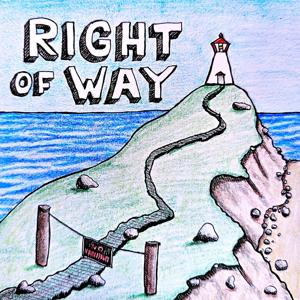


Less than 6% of Nova Scotia's population owns our coastline. Squeezed between a rapidly changing coastline and the rigidity of an increasingly impermeable wall of private property, Nova Scotia must act now to preserve, maintain, and prioritize coastal access in our province. In this final episode of Right of Way, we talk through the lessons learned in this podcast and hear some listener feedback from the summer.
You can learn more about the Coastal Access Project and share your coastal access story with us on our website: www.coastalaccessproject.com.
Special thanks to the Royal Canadian Geographic Society and the Social Sciences and Humanities Research Council of Canada for their support of this project. Thanks also to the Marine Affairs Program at Dalhousie University for additional support, editing and sound design by Podstarter (https://www.podstarter.io/), and cover art from Laura Bonga.
What would it take to have a right to roam in Nova Scotia? In this episode, we hear about efforts to get people to the coast through legislation and legwork, and contemplate what a right to roam would look like in Atlantic Canada.
Special thanks to our guests in this episode, Dr. Andrew Weaver and Hannah Solway.
In this episode, you heard about:
Bill M 223 - 2017: Right to Roam
Surfrider Atlantic
Surfrider Foundation (Worldwide)
You can learn more about the Coastal Access Project and share your coastal access story with us on our website: www.coastalaccessproject.com.
Special thanks to the Royal Canadian Geographic Society and the Social Sciences and Humanities Research Council of Canada for their support of this project. Thanks also to the Marine Affairs Program at Dalhousie University for additional support, editing and sound design by Podstarter (https://www.podstarter.io/), and cover art from Laura Bonga.
We've all had the experience of seeing a photo of a beautiful place and thinking, "Wow, I'd like to go there!" But what happens when whole digital cultures develop around visiting natural landscapes in order to get a photo and stake out a piece of it for ourselves? As we lose access to our own coast lines in Nova Scotia, are we recreating the problem of tourism-oriented coastal development in the countries we visit? In this episode, we hear about the benefits and consequences of when treasured coastal spaces are 'liked' to death.
Special thanks to our guests in this episode, Andre Bourgeois and Andre Joseph-Witzig.
In this episode you heard from:
Jamaica Beach Birthright Environment Movement
Vox "What happens when nature goes viral?"
AlJazeera "Why Can't Jamaicans Access Their Own Beaches?"
Grenada Land Actors
Cape Breton Highlands National Park
You can learn more about the Coastal Access Project and share your coastal access story with us on our website: www.coastalaccessproject.com.
Special thanks to the Royal Canadian Geographic Society and the Social Sciences and Humanities Research Council of Canada for their support of this project. Thanks also to the Marine Affairs Program at Dalhousie University for additional support, editing and sound design by Podstarter (https://www.podstarter.io/), and cover art from Laura Bonga.
Nova Scotians experiencing coastal access problems, whether land owners or the general public, have reported over and over that they struggle to get in touch with public servants or decision-makers and that finding meaningful and timely information about their situation is a constant challenge. These frustrating experience leave people feeling unheard and unsure about where to turn for help. But what is the experience like from the public servant point of view?
Special thanks to our guest Halifax City Councillor Patricia Cuttell.
HRM 2024 district boundaries
You can learn more about the Coastal Access Project and share your coastal access story with us on our website: www.coastalaccessproject.com.
Special thanks to the Royal Canadian Geographic Society and the Social Sciences and Humanities Research Council of Canada for their support of this project. Thanks also to the Marine Affairs Program at Dalhousie University for additional support, editing and sound design by Podstarter (https://www.podstarter.io/), and cover art from Laura Bonga.
In Eagle Head Bay, access to the beach, coastal trails or roads, and the protective qualities of wetlands is being eroded. In this episode, we learn about the intersection between coastal development and coastal access and what happens when fights over coastal access and environments bring communities together, and tear them apart.
Special thanks to our guests Peter Leslie, Cathie Mourre, and Brian Mourre.
Nova Scotia Wetland Conservation Policy
Ecology Action Centre's activism on wetland policy changes
Coastal Protection Act scrapped
Global News - Eagle Head residents sue former Halifax Mayor
You can learn more about the Coastal Access Project and share your coastal access story with us on our website: www.coastalaccessproject.com.
Special thanks to the Royal Canadian Geographic Society and the Social Sciences and Humanities Research Council of Canada for their support of this project. Thanks also to the Marine Affairs Program at Dalhousie University for additional support, editing and sound design by Podstarter (https://www.podstarter.io/), and cover art from Laura Bonga.
On the western edge of Cape Breton is a popular beach that was almost lost to the public if not for the tenacity and detective work of a local environmental group. In this episode, we visit Chimney Corner Beach and learn about how the Margaree Environmental Association dug into years of experience and discovered more than they expected to find in their efforts to safeguard generations of access.
Special thanks to our guests Neal Livingston and Brian Peters of the Margaree Environmental Association.
In this episode, you heard about:
Chimney Corner Beach website
Neal Livingston films
You can learn more about the Coastal Access Project and share your coastal access story with us on our website: www.coastalaccessproject.com.
Special thanks to the Royal Canadian Geographic Society and the Social Sciences and Humanities Research Council of Canada for their support of this project. Thanks also to the Marine Affairs Program at Dalhousie University for additional support, editing and sound design by Podstarter (https://www.podstarter.io/), and cover art from Laura Bonga.
This episode is about a battle for a road. Specifically, a road that leads to a sandbar in South Bar, Cape Breton. Over 10 years in the making, this story shows why coastal access is so important to Nova Scotians, and the painful and dehumanizing way conflicts over unclear deeds and conflicting values can play out.
Special thanks to our guests Rodney Gale, Janet Dermody, and Katannya Kayler.
You can learn more about the Coastal Access Project and share your coastal access story with us on our website: www.coastalaccessproject.com.
Special thanks to the Royal Canadian Geographic Society and the Social Sciences and Humanities Research Council of Canada for their support of this project. Thanks also to the Marine Affairs Program at Dalhousie University for additional support, editing and sound design by Podstarter (https://www.podstarter.io/), and cover art from Laura Bonga.
In a province where 87% (or more) of the coastline is privately owned, private property owners can often be at the brunt end of coastal access conflicts. Yet, there are ways that property owners and communities can work together to maintain or create access. In this episode, we hear two stories of property owners who came 'from away' to rural Nova Scotian communities and instead of putting up No Trespassing signs, they took a different route.
You can learn more about the Coastal Access Project and share your coastal access story with us on our website: www.coastalaccessproject.com.
Special thanks to the Royal Canadian Geographic Society and the Social Sciences and Humanities Research Council of Canada for their support of this project. Thanks also to the Marine Affairs Program at Dalhousie University for additional support, editing from Podstarter, and cover art from Laura Bonga.
Canoers, kayakers, and stand-up paddle boarders all use Nova Scotia's waterways, including the marine coastlines. These activities are popular for tourists and locals alike, but a growing problem with reliable and low-barrier access has canoers looking over their shoulders when they stop to rest. Hikers, who enjoy the coastline from the land, are also challenged by crowding, no parking, and mounting trash at some of the province's most popular trailheads. What can be done to ensure access is clean, safe, and available as outdoor recreation grows in popularity?
In Episode 4 of Right of Way, we explore these issues and raise an important question: is it time for Nova Scotia to adopt a coastal access ethic?
Special thanks to our guests Dusan Sudek and Heather Leslie of Canoe Kayak Nova Scotia, and Lloyd Knauss of Hike Nova Scotia.
In this episode, you heard references to the following groups and ideas:
Hike Nova Scotia
Canoe Kayak Nova Scotia
Leave No Trace Canada
"Right to Roam" (also called Freedom to Roam) information
You can learn more about the Coastal Access Project and share your coastal access story with us on our website: www.coastalaccessproject.com.
Special thanks to the Royal Canadian Geographic Society and the Social Sciences and Humanities Research Council of Canada for their support of this project. Thanks also to the Marine Affairs Program at Dalhousie University for additional support, editing from Podstarter, and cover art from Laura Bonga.
Whether enjoying the coast above or below the waves, surfers and divers in Nova Scotia are facing some bad breaks when it comes to coastal access. In this episode, we hear from the surfing and diving communities about how they are attempting to preserve access to the best surfing and diving spots in the province. Our guests are Vic Ruzgys, Iaian Archibald, Sarah Vanderkaden, and Michael Schwinghamer.
In this episode, you heard references to the following groups, locations, and projects:
Surfing Association of Nova Scotia
Nova Scotia Underwater Council
Nova Scotia Shipwreck Mapping Project
Flag Pond Coastal Access Park
You can learn more about the Coastal Access Project and share your coastal access story with us on our website: www.coastalaccessproject.com.
Special thanks to the Royal Canadian Geographic Society and the Social Sciences and Humanities Research Council of Canada for their support of this project. Thanks also to the Marine Affairs Program at Dalhousie University for additional support, editing from Podstarter, and cover art from Laura Bonga.
From the publisher's feed