Where do our most hidden desires come from, and why do so many people live one life in public while craving something entirely forbidden in private?
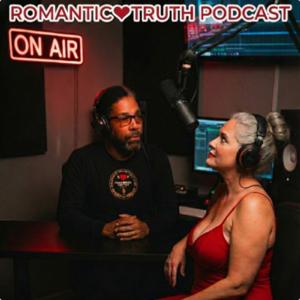
In this episode of the Romantic Truth Podcast, host Jaußan sits down with special guest hosts John and Susan for a raw, unfiltered conversation pulling back the curtain on one of the most provocative and complex topics in modern relationships: the psychology of interracial taboos, taboo-driven fantasies, and the stark divide between public image and private indulgence.
Together, the trio dives deep into:
* The Psychology of the Taboo: What fuels the desire to break conventional boundaries? Jaußan, John, and Susan unpack how historical social taboos, power dynamics, and the pursuit of transgressive novelty manifest within private kinks, cuckoldry/hotwife dynamics, and erotic exploration.
* The "Milestone" Phenomenon: From bachelorette party tropes to post-divorce resets and milestone celebrations, what drives the psychological urge to cross irreversible lines during moments of transition or freedom?
* The Split Self (Public Facade vs. Private Craving): Why do some individuals and couples indulge intensely in private desires while maintaining social distance, avoidance, or conservative appearances in public? The panel explores cognitive dissonance, social capital preservation, and the dehumanizing line between genuine attraction and racial fetishization.
* Real Talk for Couples: How partners navigate the delicate balance between fantasy and reality, the importance of honest communication, and avoiding the trap of letting secret compartmentalization erode real-world integrity and emotional trust.
It’s an honest, thought-provoking dialogue that refuses to look away from the uncomfortable truths of human desire, social conditioning, and adult relationships.
Hosted by: Jaußan
Guest Co-Hosts: John & Susan
Show: The Romantic Truth Podcast — Real Talk on Dating & Relationships for Adults (18+)
Tagline: Think Before You Love.