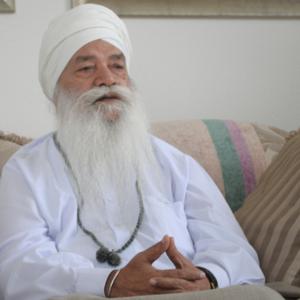
Sahej Katha: Stories of Serenity and Spirituality

Sahej Katha: Stories of Serenity and Spirituality

By Santren Daya Singh JiReligion & SpiritualitySpirituality
Download on the App Store

Sahej Katha: Stories of Serenity and Spirituality episodes

  • I want to have that Pleasure which even Shiva and Brahma are afraid of - - ਸੁਖੁ ਮਾਂਗਤ ਦੁਖੁ ਆਗੈ ਆਵੈ ॥ (Sukh Mangat Dukh Agae Aae_2012)

    ਇਸੁ ਸੁਖ ਤੇ ਸਿਵ ਬ੍ਰਹਮ ਡਰਾਨਾ ॥

    ਸੋ ਸੁਖੁ ਹਮਹੁ ਸਾਚੁ ਕਰਿ ਜਾਨਾ ॥੨॥


    People beg for pleasure, but pain comes instead.

    I would rather not beg for that pleasure. ||1||

    People are involved in corruption, yet they still hope for pleasure.

    How will they find their home in the Sovereign Lord King? ||1||Pause||

    Even Shiva and Brahma are afraid of this pleasure,

    But I have judged that pleasure to be true. ||2||

    1 hr 14 min
  • How to do Simran - Important Akath Katha

    ਮਨ ਮਹਿ ਰਾਮ ਨਾਮਾ ਜਾਪਿ ॥

    अपने मन में गुरु के दिए गुरमन्त्र का जप करो।

    I chant the Lord's Name within my mind.

    1 hr 15 min
  • Refuge in the Divine: The Path to Fearlessness and Peace

    "ਪ੍ਰਭ ਕੀ ਸਰਣਿ ਸਗਲ ਭੈ ਲਾਥੇ ਦੁਖ ਬਿਨਸੇ ਸੁਖੁ ਪਾਇਆ ॥"

    Phonetic Transliteration:
    "Prabh ki saran sagal bhai laathe, dukh binse sukh paa-i-aa."

    English Translation:
    "In the sanctuary of God, all fears are dispelled, sorrows vanish, and true peace is attained."

    Detailed Meaning:

    This verse is by Guru Arjan Dev in Raag Sorath on Ang 615 of Sri Guru Granth Sahib.

    This verse beautifully illustrates the transformative power of seeking refuge in God.


    1. ਪ੍ਰਭ ਕੀ ਸਰਣਿ (Prabh Ki Saran):

      • ਪ੍ਰਭ (Prabh): Refers to God, the Almighty.
      • ਸਰਣਿ (Saran): Sanctuary or refuge.
        Seeking God’s sanctuary symbolizes complete surrender to the Divine Will, trusting that God is the ultimate protector and provider.
      • ਸਗਲ ਭੈ ਲਾਥੇ (Sagal Bhai Laathe):

        • ਸਗਲ (Sagal): All.
        • ਭੈ (Bhai): Fears.
        • ਲਾਥੇ (Laathe): Are dispelled or removed.
          This signifies that in God’s refuge, all fears—whether worldly or spiritual—are eradicated, leading to a sense of security and confidence.
        • ਦੁਖ ਬਿਨਸੇ (Dukh Binse):

          • ਦੁਖ (Dukh): Sorrows or suffering.
          • ਬਿਨਸੇ (Binse): Are destroyed or vanish.
            It emphasizes that God’s grace brings relief from all forms of pain and suffering, both physical and emotional.
          • ਸੁਖੁ ਪਾਇਆ (Sukh Paa-i-aa):

            • ਸੁਖੁ (Sukh): Peace, joy, or bliss.
            • ਪਾਇਆ (Paa-i-aa): Is attained.
              This highlights the ultimate reward of seeking God’s refuge—a state of true and lasting happiness, fulfillment, and tranquility.
            • 55 min
            • The Practice of Eternal Remembrance: Singing the Divine Name

              "ਮੇਰੇ ਮਨ ਰਾਮ ਨਾਮ ਨਿਤ ਗਾਵੀਐ ਰੇ ॥"
              Phonetic Transliteration:
              "Mere man Ram Naam nit gaavee-ai re."

              English Translation:
              "O my mind, sing the Name of the Lord continuously."

              This verse is by Guru Ram Das in Raag Kaydaaraa on Ang 1118 of Sri Guru Granth Sahib. This verse is a gentle yet powerful reminder to the mind, urging it to engage in the constant practice of remembering and singing God’s Name. Let’s delve deeper:

              1. ਮੇਰੇ ਮਨ (Mere Man):

                • This is a personal and reflective address to one’s own mind. It symbolizes the practice of introspection and self-guidance in aligning oneself with spiritual truths.
                • ਰਾਮ ਨਾਮ (Ram Naam):

                  • ਰਾਮ (Ram): Refers to the Divine or God, embodying the eternal and infinite essence.
                  • ਨਾਮ (Naam): The Name, symbolizing God’s presence and attributes.
                    Chanting or meditating on God’s Name is considered a powerful spiritual practice that brings one closer to the Divine.
                  • ਨਿਤ ਗਾਵੀਐ (Nit Gaavee-ai):

                    • ਨਿਤ (Nit): Always, regularly, or continuously.
                    • ਗਾਵੀਐ (Gaavee-ai): To sing, chant, or meditate upon.
                      This emphasizes consistency in devotion. It suggests that remembering God’s Name should not be confined to specific moments but should become an ongoing, integral part of life.
                    • ਰੇ (Re):

                      • A poetic exclamation, often used for emphasis or to draw attention. It reinforces the call to action, urging the mind to adopt this practice earnestly.

                      • 1 hr 6 min
                      • Pierced by Divine Love: Living with God at the Core

                        "ਹਰਿ ਸਿਉ ਪ੍ਰੀਤਿ ਅੰਤਰੁ ਮਨੁ ਬੇਧਿਆ ਹਰਿ ਬਿਨੁ ਰਹਣੁ ਨ ਜਾਈ ॥"

                        Phonetic Transliteration:
                        "Har sio preet antar man bedhiaa, har bin rehan na jaai."

                        English Translation:
                        "With love for the Lord, the inner mind is pierced; without the Lord, one cannot live."

                        This Script is of Sri Guru Ram Das Ji, from Guru Granth Sahib Ji Ang 607 ; expresses the profound connection between the soul and the Divine. It emphasizes the transformative power of divine love and the soul's dependency on God for its very existence. Here's a deeper analysis:

                        1. ਹਰਿ ਸਿਉ ਪ੍ਰੀਤਿ (Har Sio Preet):

                          • ਹਰਿ (Har): Refers to the Lord, the eternal and all-pervading Divine.
                          • ਪ੍ਰੀਤਿ (Preet): Love or devotion.
                            This signifies a deep, heartfelt bond of love and devotion with the Divine, which transcends worldly attachments.
                          • ਅੰਤਰੁ ਮਨੁ ਬੇਧਿਆ (Antar Man Bedhiaa):

                            • ਅੰਤਰੁ (Antar): The innermost being.
                            • ਮਨੁ (Man): The mind or consciousness.
                            • ਬੇਧਿਆ (Bedhiaa): Pierced, deeply affected, or transformed.
                              This implies that divine love penetrates the innermost self, profoundly transforming the devotee’s heart and mind.
                            • ਹਰਿ ਬਿਨੁ ਰਹਣੁ ਨ ਜਾਈ (Har Bin Rehan Na Jaai):

                              • ਹਰਿ ਬਿਨੁ (Har Bin): Without the Lord.
                              • ਰਹਣੁ ਨ ਜਾਈ (Rehan Na Jaai): One cannot live or survive.
                                This phrase expresses the soul’s complete dependence on the Divine. Just as a fish cannot live without water, the soul finds it impossible to exist without the connection to God.
                              • 47 min

                              About Sahej Katha: Stories of Serenity and Spirituality

                              From the publisher's feed

                              Immerse yourself in the timeless wisdom and peace of Sahej Katha, a spiritual podcast dedicated to sharing the divine teachings of Gurbani, soul-soothing simiran, and inspirational stories rooted in Sikhism and universal spirituality.