
Sign up to save your podcasts
Or

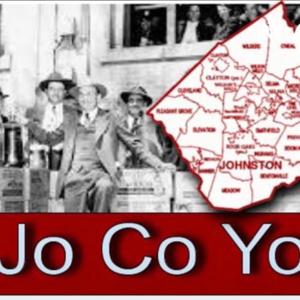

In March 1865, Sherman's army stood poised to burn Raleigh to the ground. What stopped it wasn't a general, a battle, or a treaty — it was a railroad stationmaster with no rank, no uniform, and a white flag he had no authority to wave. This is the story of how a desperate ride through Johnston County's pine woods, a "brisk skirmish" five miles east of Clayton, and a peace parley at a white frame house on the town square saved North Carolina's capital — and quietly set the stage for the largest Confederate surrender in the entire war.
 View all episodes
 By Joseph Smith

4.9
1717 ratings
In March 1865, Sherman's army stood poised to burn Raleigh to the ground. What stopped it wasn't a general, a battle, or a treaty — it was a railroad stationmaster with no rank, no uniform, and a white flag he had no authority to wave. This is the story of how a desperate ride through Johnston County's pine woods, a "brisk skirmish" five miles east of Clayton, and a peace parley at a white frame house on the town square saved North Carolina's capital — and quietly set the stage for the largest Confederate surrender in the entire war.