
Sign up to save your podcasts
Or

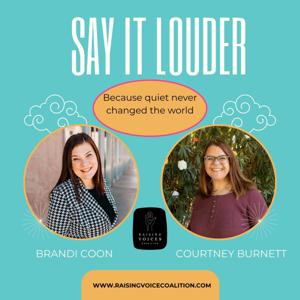


What if the biggest reading breakthrough for struggling kids is not teaching more phonics first, but changing the order entirely?
Dr. Deborah reveals how Reverse Reading helps children build confidence, fluency, and comprehension without drowning in cognitive overload. If you are a parent, educator, tutor, or IEP advocate who has watched a child do “everything right” and still fall behind, this conversation will feel both validating and practical.
Courtney Burnett shares her own lived experience as a struggling reader, while Brandi helps connect the dots between emotional safety, literacy, and why traditional intervention can hit a dead end. You'll discover: Why some children can recite phonics rules but still cannot read fluently how Reverse Reading starts with meaningful words, language, and connection before decoding The neuroscience behind cognitive overload and working memory strain Why confidence and regulation are not extras, but the foundation for reading growth What families should ask when a child is making effort but not making progress Dr. Deborah explains how her structured approach helps students feel success early so reading becomes smoother, less stressful, and more automatic over time. She also breaks down the practical side of the method, including how little prep it requires and why a short, consistent routine can make a big difference for struggling readers. This episode is especially important if you are sitting in school meetings, wondering why the current intervention is not closing the gap. It is a reminder that a child who is struggling with reading is not lazy or incapable - they may simply need a different pathway. Perfect for parents, teachers, homeschoolers, tutors, and anyone looking for a more compassionate, brain-based approach to reading support. Dr. Deborah is the creator of Reverse Reading and helps children who struggle with traditional instruction build fluency through a different order of learning. Courtney Burnett brings personal and professional insight into how reading struggles affect confidence and long-term learning, while Brandi guides the conversation for families and educators seeking real solutions.
Learn more at www.reversereading.com.
The Sibling Experience in the Disability Community: Voices and Perspectives In this heartfelt episode, we delve into the often-overlooked voices of siblings who grow up alongside brothers and sisters with high support needs. Lily and Grace share their personal stories, insights, and the lessons they've learned about connection, advocacy, and understanding within their families.
Key topics: Personal stories of Lily (20) and Grace (14) about growing up with disabled siblings How siblings navigate complex family dynamics and responsibilities The impact of having a sibling with a disability on empathy and communication Strategies siblings use to advocate and build relationships Challenging perceptions: reframing "staring" as observation and understanding Responsibility, pressure, and the importance of self-advocacy Meaningful ways to connect, such as music, dance, and physical touch Advocacy and storytelling: how siblings can shape policy and perceptions Tips for parents to support and include sibling voices in family life
Timestamps: 00:00 - Introduction to the sibling experience in the disability community 01:22 - Lily shares her background as a middle sibling with complex family dynamics 02:32 - Grace discusses life as a twin with a sibling with multiple disabilities 03:47 - Addressing questions from friends about siblings’ disabilities 05:00 - The importance of openness and understanding public perceptions 06:17 - How having a sibling with a disability fosters patience and compassion 07:13 - Grace reflects on understanding Caleb's emotions and communication 08:48 - Building advocacy skills through sibling relationships 09:39 - Learning from and observing siblings' natural advocacy efforts 10:07 - Navigating responsibility and internal pressures as a sibling 11:21 - Recognizing and addressing sibling needs and self-care 13:40 - How siblings make meaningful moments, like concerts and shared activities 15:32 - Advocating for oneself and the importance of speaking up 18:24 - Reframing "staring" as observation to promote understanding
26:44 - Grace's journey into advocacy at the Capitol 32:50 - The power of storytelling in advocacy and education 36:50 - Final thoughts: supporting sibling voices in families and policy Resources & Links: Raising Voices Coalition https://www.raisingvoicescoalition.com/memberships-overview Note: This episode emphasizes the importance of listening to sibling voices, reframing perceptions, and encouraging family and community support for these vital, powerful perspectives.
In this episode of "Say It Louder," Courtney Burnett hosts a heartfelt discussion with Kim and Brandi Coon about dyslexia and finding root cause solutions. Kim shares her journey of discovering her daughter Brandi's struggles with reading and how it led her to become a dyslexia specialist. The conversation highlights the challenges and triumphs of navigating the education system, the importance of understanding different learning styles, and the power of parental advocacy. Brandi reflects on her experiences and the impact of having a supportive parent who believed in her potential. The episode emphasizes the need for tailored educational approaches and the importance of recognizing dyslexia as a unique way of thinking rather than a disability. If you'd like to create show notes or any other promotional content, let me know! Contact Kim Evans for more info https://litlearning.netContact
Discover how grassroots advocates are using anecdotal and formal data to influence legislation, protect rights, and ensure the voices of families are heard at every level. We break down: which types of data truly influence policymakers, how to turn feelings into concrete evidence, and the critical mistake of assuming lawmaker familiarity with complex research or policy language. You’ll learn simple, practical steps—like tracking behavior at home or bringing research to IEP meetings—that make your advocacy unstoppable.
Amy Haley’s Advocacy Journey and Leadership Insights Hear from Amy Haley, the new Director of Communications and Public Relations at Raising Voices Coalition, as she shares her inspiring journey from navigating her child's complex diagnoses to leading impactful advocacy efforts. Discover how her personal experiences, strategic communication style, and belief in relationship building are shaping effective systems change.
In this episode of the Raising Voices Coalition podcast, we explore the importance of community, especially during the holiday season, and discuss the challenges faced by families in the disability community. We delve into mental health supports, the pressure of holiday routines, and the significance of recognizing grief. The conversation emphasizes the value of community and offers insights into creating supportive environments.
Gift Guide Link
In this heartfelt episode of 'Say It Louder,' Courtney Burnett shares her journey as a mother and advocate for her daughter, Hannah, who was initially diagnosed with cerebral palsy. The episode delves into the challenges faced by parents navigating the medical system, the importance of community support, and the emotional journey of accepting a rare genetic disorder diagnosis. Courtney emphasizes the need for advocacy and policy change to support children with disabilities and their families.
In this heartfelt episode of the "Say It Louder" podcast, host Courtney Burnett interviews co-host BrandI about the emotional journey of Diagnosis Day. They delve into Brandy's experience with her son Tyson, who was diagnosed with bacterial meningitis at six months old. The episode explores the challenges of navigating the healthcare system, the importance of advocacy, and the support needed for families facing similar situations. Through personal stories and shared experiences, the podcast emphasizes the mission of the Raising Voices Coalition to provide resources and support to families dealing with disabilities, ensuring that every voice is heard and empowered.
In this episode of "Say It Louder," hosts Courtney Burnett and Brandi Coon discuss the new assessment tool announced by AHCCCS and DDD, which impacts individuals with disabilities in Arizona. The episode highlights concerns over the lack of transparency in the policy rollout, which introduces age-based caps on services like attendant care and habilitation. The hosts emphasize the need for person-centered care and the importance of community input in policy-making. They also discuss the coalition's efforts to advocate for policies that truly reflect the needs of individuals with disabilities and their families.
The podcast episode "Back to School Tips" from "Say It Louder" features hosts Courtney Burnett and Brandi Coon discussing strategies for parents to effectively manage their children's Individualized Education Programs (IEPs) as the new school year begins. They emphasize the importance of proactive communication with teachers and school staff, documenting conversations, and maintaining a positive relationship with educators. The hosts also share personal experiences and practical tips, such as setting reminders for follow-ups and understanding federal laws like ADA and IDEA. They encourage parents to trust their instincts and advocate for their children's needs, while also highlighting the value of having support during challenging meetings. The episode concludes with an invitation for listeners to engage with the podcast on social media and suggest future topics.
Download Five Questions to Ask at The IEP Tablehttps://www.courtneyburnett.com/5-questions-for-your-iep-meeting
From the publisher's feed