
Sign up to save your podcasts
Or

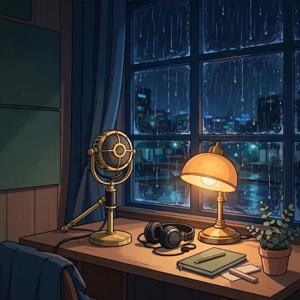


A rain-soaked window, an unused microphone, and a lamp left on after midnight could introduce a fictional podcast about overlooked city stories. I would build the trailer around that small room.
My starting material would be a photograph of a recording corner, rain against dark glass, and a short passage recorded by the host for the trailer. I would choose a sentence that opens a question rather than summarizes the whole show.
The room needs one clear visual relationship: warm light inside, cool reflections outside. Before generating motion, I would remove distracting objects and leave the microphone slightly off center, so the episode title has somewhere to sit.
For this particular invitation, seedance 3.0 would provide the video-generation stage between the supplied references and the finished edit. Text can describe the slow camera movement, and a permitted audio reference can guide atmosphere — but I would keep the host's original recording for the final soundtrack.
The camera should feel like a guest arriving quietly
I would begin with a restrained movement toward the microphone, window visible behind it: soft amber lamplight, rain trails on glass, ending before the microphone fills the frame. No sweeping orbit — it could reveal parts of the studio absent from the photograph and turn a believable little room into an invented set.
My first seedance 3.0 preview would test that single movement. I would watch the microphone grille, the lamp stem, and the edge of the desk; if any of them bends, I would shorten the move and simplify the reflections.
The rain should move slowly enough to support the voice. I would avoid lightning, passing cars, or sudden changes in brightness. A single light reflected in wet glass can already suggest the world beyond the room.
A second shot can follow the pause in the voice
The host's recording would determine where the edit changes: after the opening question, a small breath, then a cut to the window detail — rain trails crossing a blurred reflection of the lamp. No visible speaker, no fabricated interview subject, no generated version of the host — the absence of a face lets the listener supply their own image.
To connect the two views, I would preserve the lamp's color and position in the reflection and keep the window frame on the same side of both compositions.
I would assemble the shots against the real audio early, even while the visuals are rough — the voice may need more room, and a held frame can solve the pacing problem.
Spend the generation budget on a useful revision
Before developing several alternate versions, I would check seedance 3.0 pricing to understand the plans and costs. The useful question is how many meaningful attempts the trailer needs: an opening, a detail shot, and one focused correction for a visible problem such as a drifting microphone.
A simple comparison would keep the choices honest: place two candidate openings beside the same audio passage and ask which gives the host's first sentence more space. The stronger seedance 3.0 version might be the quieter one.
Leave the final words to the real show
The closing frame would return to the microphone with the lamp still glowing. I would add the confirmed podcast title, release information, and listening destination in an editing application. For a vertical social version, I would reframe the footage around the microphone and keep captions away from the rain detail. My final seedance 3.0 review would check both crops, then I would listen without watching to ensure the spoken invitation still makes sense on its own.
From the publisher's feed
A podcast trailer made with seedance 3.0 — rain on the studio window, a microphone, and a lamp left on after midnight.