Seen

Seen

By Nic & LalaSociety & Culture
Download on the App Store

Seen episodes

  • 48: Earth Is Ghetto
    In this episode, Nic and Lala process the recent white supremacist violence in the US Capitol, discussing how these same forces manifest in what is currently known as Canada, why Canadians are so eager to ignore the problems at home, and the energy shift BIPOC are experiencing in this moment. Song of the week: Earth Is Ghetto by Aliah Sheffield
    46 min
  • 47: Second Nature
    We live in a society where separation, disconnection, and harm are the norm. This is a trauma culture that supports ongoing colonialism and genocide. In this episode, Nic and Lala discuss intergenerational trauma, cultural shadow work, and our collective responsibility to heal. Song of the week: The Sharecropper’s Daughter by Sa-Roc.

    51 min
  • 46: Just Like Saturn
    As adults, our relationships with parents might be edifying and supportive, but for others, painful remnants from the past can carry forward, weighing us down. In this episode, Nic shares what it’s meant to build empathy for her father as she heads into a new phase of life. Song of the week: Saturn by NAO
    50 min
  • 45: If I Told Your Secrets
    The most intimate relationship of our lives is the one we have with ourselves. But it is also the most complicated, and at times, the most painful. In this episode, Nic and Lala dig into the roots of self-hatred and trace paths toward healing. Song of the week: u by Kendrick Lamar
    51 min
  • 44: Shattered Mirrors
    Most of us come to justice work with a deep sense of care and love for others. But often, inadequacy and the belief we’re not doing enough eclipses our ability to have compassion for ourselves - or each other. In this episode, Nic and Lala discuss the challenges of navigating vulnerability, performative allyship and shame. Song of the week: Pretty Hurts by Beyonce
    53 min
  • 43: The Sky Opens
    Rest is one of our most basic needs, so why do we find ourselves resisting and outrunning it? And in doing so, how are we harming the sick and disabled folks among us? In this episode, Nic and Lala slow down and discuss balance, quieting the noise around us, and rest as a foundational part of healing and liberation work. Song of the week: Beautiful by India.Arie
    49 min
  • 42: Finally Found a Light
    Collective liberation requires all hands on deck, so what role do you play as you show up to do the work? How can we challenge hierarchies of power that lie even within our “safer” havens of care? In this episode, Nic and Lala lean on the teachings of Mariame Kaba who teaches us that everything worthwhile is done with other people. Song of the week: My Power by CHIKA
    45 min
  • 41: Cold War
    With all the ways we are harmed by dominant groups in society, we often expect the communities we build with other marginalized folks to be safe havens. So what happens when they’re not? In this episode, Nic and Lala discuss power and entitlement, examining our own complicity, and what it would take to build safer communities. Song of the week: Cold War by Janelle Monáe. 
    49 min
  • 40: Love Drought
    What would be possible if the men who don’t actively commit violence showed up to support survivors and oppose violence with everything they've got? In this episode, Nic and Lala discuss surviving the indifference of our communities, the layers of harm and betrayal caused by toxic masculinity, and why supporting men necessitates holding them accountable. Song of the week: Love Drought by Beyonce. 
    45 min
  • 39: It's Your World
    Black women show up for everyone, but who shows up for them? Who benefits from maintaining Black women’s oppression? And what do calls to #protectblackwomen mean in a world that gleefully maligns their pain and silences their voices? In this episode, Nic and Lala discuss patriarchy, Black women’s power, and the importance of knowing our history. Song of the week: Baby Girl by Chloe x Halle.
    46 min

About Seen

From the publisher's feed

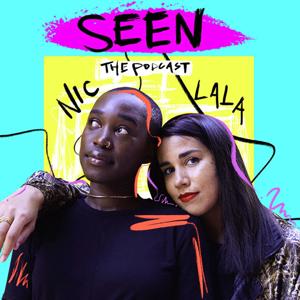
Black and brown women have not been allowed to exist in the world as the fullest expressions of who we are and who we can be. Violence, deprivation, and oppression have ruptured our connections with our bodies, our spirits, and each other. But healing and liberation are possible. We feel this possibility when we’re together - just us.