
Sign up to save your podcasts
Or



Got a comment or idea? Send us a text.
What if you could take simple steps today that might save a loved one's life tomorrow? Fire safety is a critical concern for senior citizens, and we explore the unique challenges they face in this episode. From mobility and sensory impairments to the risks of living alone, we highlight the factors that make older adults more susceptible to fire-related injuries and fatalities. This discussion guides you through essential emergency planning, ensuring accessible exits, and maintaining clutter-free spaces to create a safer living environment. Learn about the vital role of specialized smoke alarms and the importance of keeping critical items like eyeglasses and mobility aids within reach.We dive deep into practical tips for seniors to reduce fire risks at home, including using timers, safely storing flammable materials, and avoiding dangerous habits like smoking in bed. We also emphasize the necessity of educating both seniors and their caregivers about fire hazards and prevention strategies to lower the risk of incidents. By implementing these measures, seniors can significantly enhance their safety, giving peace of mind to themselves and their loved ones. Tune in to gain valuable insights and actionable steps to protect our cherished elderly community. Don't miss this opportunity to arm yourself with the knowledge needed to ensure a safer home for older adults.
For more information about aging in place and caregiving for older adults, visit our website at SeniorSafetyAdvice.com
Got a comment or idea? Send us a text.
In this conversation, Esther C Kane, CAPS, C.D.S. discusses various home modifications that can improve safety and comfort for older adults. She covers topics such as widening doorways, incorporating ramps into the landscape, adding heat lamps and heated floors in bathrooms, installing grab bars and seats in showers, replacing round doorknobs with levers, moving the washer and dryer to the bedroom, increasing lighting with overhead lamps and motion sensor lights, choosing non-slip flooring, utilizing smart home technology, and modifying kitchen countertops and cabinets. These modifications not only enhance the quality of life for older adults but also increase the value of the home.
takeaways
Sound Bites
Chapters
00:00Improving Accessibility: Widening Doorways and Incorporating Ramps
02:20Enhancing Comfort: Heat Lamps and Heated Floors in Bathrooms
08:26Easier Access: Replacing Round Doorknobs with Levers
11:20Improving Visibility: Overhead Lamps and Motion Sensor Lights
13:38Smart Home Technology: Enhancing Safety and Convenience
20:07Accessible and Functional: Kitchen Modifications
For more information about aging in place and caregiving for older adults, visit our website at SeniorSafetyAdvice.com
Got a comment or idea? Send us a text.
Can medical alert systems really transform the lives of seniors and their caregivers? Discover the powerful impact these devices have on enhancing safety, independence, and overall peace of mind. In this episode, we debunk common myths that label these systems as symbols of frailty and instead showcase how they empower seniors to live more secure and autonomous lives. From exploring different types of medical alert systems, including those with advanced fall detection features, to comparing the cost-effectiveness of these systems against assisted living facilities, we leave no stone unturned. Learn about top brands like Life Alert and Medical Guardian, and understand how these systems, with or without central monitoring centers, play a crucial role during emergencies.But that's not all – we also delve into the world of health monitoring and GPS tracking systems, particularly beneficial for seniors with dementia. Join us as we highlight leading GPS tracking options from Medical Guardian, Bay Alarm, and Apple Watch, and discuss how they can prevent dangerous wandering incidents. Additionally, we examine health monitoring systems from brands like QMedic, Mobile Health, and Philips Lifeline, which track vital signs, sleep patterns, and daily activities to help seniors maintain their health and independence. Tune in to learn how these innovative technologies can significantly improve the quality of life for older adults, ensuring they enjoy healthier, more autonomous lives.
For more information about aging in place and caregiving for older adults, visit our website at SeniorSafetyAdvice.com
Got a comment or idea? Send us a text.
Geriatric care is a specialized field of healthcare that focuses on addressing the unique needs of older adults. It involves a holistic approach to managing the health, wellbeing, and quality of life of elderly individuals. Geriatric care is personalized and aims to maintain and promote independence in older adults. It also focuses on managing chronic conditions, preventing health issues, and involving family members and caregivers in the care process. Geriatricians are specialized doctors who have expertise in managing multiple chronic conditions and cognitive concerns. Finding a good geriatric doctor involves getting referrals, checking credentials and experience, and considering convenience and insurance coverage.
Keywordsgeriatric care, older adults, holistic approach, independence, chronic conditions, preventative care, family involvement, comprehensive assessment, medication management, coordinating services, advanced care planning, geriatric doctor, specialized training, cognitive concerns, finding a geriatric doctor
Takeaways
Titles
Chapters
00:00Introduction to Geriatric Care
01:25Preventative Care and Wellness in Geriatric Care
03:21Coordinating Services and Advanced Care Planning
06:08Cognitive Concerns and Specialized Care
08:15Finding the Right Geriatric Doctor
12:16Conclusion: Navigating Aging with Dignity
For more information about aging in place and caregiving for older adults, visit our website at SeniorSafetyAdvice.com
Got a comment or idea? Send us a text.
This episode of the Senior Safety Advice Podcast discusses the importance of mental health and wellness for the elderly. It highlights the common challenges that older adults face, such as social isolation, major life changes, chronic health conditions, and financial stress. The episode also provides practical ways to support mental wellness, including staying socially connected, engaging in meaningful activities, practicing mindfulness, maintaining a healthy diet, and seeking professional help when needed. The host emphasizes the significance of mental health and encourages listeners to be aware, supportive, and proactive in maintaining good mental health and wellness.
Keywords
mental health, wellness, elderly, challenges, social isolation, major life changes, chronic health conditions, financial stress, support, practical ways, social connection, meaningful activities, mindfulness, healthy diet, professional help
Takeaways
Titles
Sound Bites
Chapters
00:00Introduction: Mental Health and Wellness for the Elderly
02:46Common Challenges in Mental Health for Older Adults
07:42Practical Ways to Support Mental Wellness in Older Adults
16:09Treating Mental Health Conditions in Older Adults
For more information about aging in place and caregiving for older adults, visit our website at SeniorSafetyAdvice.com
Got a comment or idea? Send us a text.
Moving a parent with dementia into memory care can be a challenging and overwhelming decision. However, there are ways to make the transition smoother for everyone involved. Some signs that it may be time to consider memory care include difficulty with daily activities, wandering off, and the care needs becoming too much to handle at home. It's important to remember that the move itself may not be as traumatic for the parent as it is for the family. Memory care facilities are designed to provide the necessary support and care for people with dementia. Preparation, focusing on familiar items, staying calm on moving day, being flexible during the adjustment period, and taking care of oneself are key tips for a successful transition.
Keywords
moving, parent, dementia, memory care, transition, safety, wellbeing, signs, preparation, familiar items, adjustment period, communication, support
Takeaways
Titles
Sound Bites
Chapters
00:00Making the Decision to Move
02:25The Impact of the Move
04:19Preparing for the Move
08:33The Adjustment Period
10:29Taking Care of Yourself
For more information about aging in place and caregiving for older adults, visit our website at SeniorSafetyAdvice.com
Got a comment or idea? Send us a text.
This episode of the Senior Safety Advice Podcast discusses signs that indicate it may be time for older adults to reassess their driving skills. The host emphasizes the importance of regularly checking driving skills and being aware of warning signs to prevent accidents and ensure safety. The episode provides six signs to watch out for, including missing traffic signs, trouble staying in the lane, confusion in decision-making, physical problems, feeling anxious or stressed while driving, and frequent close calls or accidents. The host also suggests seeking professional driving assessments, taking refresher courses, consulting with physicians, and considering alternative transportation options.
Keywords
driving skills, older adults, signs, reassess, safety, traffic signs, lane control, decision-making, physical problems, anxiety, close calls, accidents, professional assessment, refresher course, physician consultation, alternative transportation
Takeaways
Titles
Sound Bites
Chapters
00:00Introduction: Are You Safe Enough to Keep Driving?
01:53Sign #1: Missing Traffic Signs
04:12Sign #2: Trouble Staying in Your Lane
06:35Sign #4: Physical Problems and Driving
08:58Taking Steps to Ensure Safe Driving
10:53Prioritizing Safety on the Road
For more information about aging in place and caregiving for older adults, visit our website at SeniorSafetyAdvice.com
From the publisher's feed
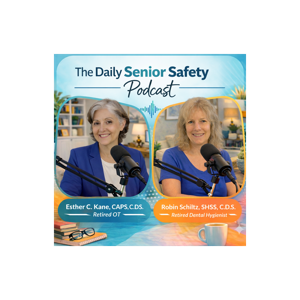
A podcast focused on the topics of senior safety, aging in place and caring for older adults.