
Sign up to save your podcasts
Or

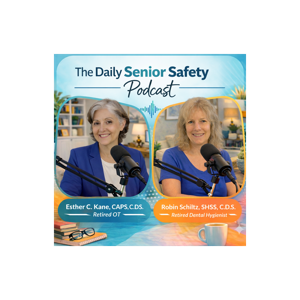


March is Mobility and Independence Month, and in this episode of the Daily Senior Safety Advice Podcast, I’m sharing a simple, realistic approach to staying active, without the pressure of “perfect” exercise routines.
I’m Esther Kane, a retired occupational therapist and Certified Aging in Place Specialist, and I help families make practical changes to keep older adults safe, independent, and confident at home.
Today, we’re talking about why most movement routines fail, and what actually works instead. If you or someone you care for has ever struggled to stick with exercise, this episode will help you rethink the process in a way that fits real life.
You’ll learn:
We’ll also talk about how movement can improve mood, reduce caregiver burnout, and strengthen connection when done together.
This episode is all about taking the pressure off and helping you find a routine that feels doable, flexible, and sustainable.
Because movement doesn’t have to be perfect, it just has to fit your life.
For more practical tips and resources, visit: SeniorSafetyAdvice.com AgingInPlaceDirectory.com
In this episode, Esther Kane talks about the mental benefits of staying active for older adults. Drawing on her experience as a retired Occupational Therapist, Certified Aging in Place Specialist, and Dementia Care Specialist, she explains how simple daily movement can support mood, reduce stress, improve confidence, and help with mental sharpness. This episode offers gentle, practical encouragement for seniors and family caregivers who want to support emotional well-being through safe activity. Visit SeniorSafetyAdvice.com for more tips and resources.
In this episode, Robin Schiltz explains how the right mobility aids can make a meaningful difference in safety, confidence, and independence for older adults.
Drawing on her experience as a Senior Home Safety Specialist, she walks listeners through practical tools like canes, walkers, grab bars, and simple dressing aids. Robin also shares how to recognize the early signs that extra support may be needed before a fall occurs.
For more helpful tips and trusted resources, visit SeniorSafetyAdvice.com.
#mobility aids for seniors
#best walkers and canes for elderly
#fall prevention tools for older adults
#home safety equipment for seniors
In this episode, our Senior Home Safety Specialist, explains when it’s time to ask for a mobility assessment and why waiting for a fall may be too late.
Drawing from years of experience working with older adults, she shares the early warning signs families often overlook, from subtle changes in walking to fear of falling.
This episode offers practical guidance to help seniors stay safe, independent, and confident at home. For more helpful tips and resources, visit SeniorSafetyAdvice.com.
#when to ask for a mobility assessment
#signs of mobility problems in seniors
#fall prevention for older adults
#physical therapy for elderly balance
In this episode of the Daily Senior Safety Advice Podcast, Robin Schiltz explains how simple balance exercises can do more than prevent falls—they can rebuild confidence and restore independence.
Drawing from her experience as a Senior Home Safety Specialist, she shares how fear of falling affects movement and how gentle, consistent practice can help break that cycle.
Listeners will learn easy, practical exercises that can be done safely at home, along with encouragement for both seniors and family caregivers.
For more helpful tips and resources, visit SeniorSafetyAdvice.com.
#balance exercises for seniors
#how to improve balance in older adults
#fall prevention tips for seniors at home
#building confidence after a fall elderly
#safe exercises for elderly balance and stability
Got a comment or idea? Send us a text.
Stiff mornings, shaky balance, and that quiet worry about falling can make everyday life feel smaller than it should. I’m Esther Kain, a retired occupational therapist and certified aging in place specialist, and I’m sharing a simple practice that supports mobility and independence without pushing your body past its limits: gentle yoga for seniors. No pretzel poses, no pressure to get on the floor, and nothing that should ever hurt. Just steady, supported movement that meets you where you are today.We talk through the real-life benefits I see again and again, starting with stiffness relief. When joints warm up slowly, walking and moving around the house can feel smoother, and that comfort often brings back confidence. We also explore how adaptable this can be, whether you prefer chair yoga, standing movements with a wall nearby, or a fully seated routine if balance is a concern. If arthritis, joint replacements, or limited mobility have made exercise feel risky, you’ll hear practical ways to make gentle movement feel safe and doable.Breathing is a big part of the conversation too. Many of us start breathing shallowly without noticing, especially under stress. Slower inhales through the nose and longer exhales can relax tight muscles, calm the nervous system, and even change how strongly pain shows up. From there, we connect yoga to fall prevention through body awareness, posture, and core strength, plus the sleep benefits that often come from releasing neck, shoulder, and lower-back tension during the day.I also share simple safety guidelines, smart use of props like a sturdy chair or cushions, and how caregivers can do gentle movements alongside a loved one to create a calmer moment for both of you. If you’re ready to try, start with a short YouTube routine, stay consistent, and notice how you feel before and after. Subscribe, share this with someone who needs safer movement options, and leave a review so more seniors and caregivers can find this support.
For more information about aging in place and caregiving for older adults, visit our website at SeniorSafetyAdvice.com
In this episode, we explain how to make your home more mobility-friendly so you can move safely and confidently every day. We'll share simple, practical changes that can reduce fall risks and support independence.
From lighting and flooring to bathrooms and stairs, this episode walks listeners through what really makes a difference.
For more helpful tips and resources, visit SeniorSafetyAdvice.com.
#home mobility safety for seniors
#aging in place home modifications
#fall prevention tips for older adults
#how to make home wheelchair or walker friendly
Got a comment or idea? Send us a text.
We challenge the idea that pain is simply part of getting older and explain why pain is your body’s way of sending safety signals. We connect ignored pain to falls, low confidence, and lost independence, then share clear steps to respond early and wisely. • Pain as useful information rather than weakness or complaining • How knee, hip, and back pain change gait and balance • The slow cycle where moving less makes mobility harder • Warning-sign pain that should not be ignored • The link between chronic pain, mood, sleep, and fall risk • Simple pattern-tracking questions to ask yourself • Why “more pills” is not the only answer • Home safety fixes that can reduce pain, including grab bars and better chair setup • Treating pain as feedback and practicing self-kindness Please share this episode with someone you care about who could use the information to make their life safer. You'll find more resources for seniors and caregivers on our website at Senior SafetyAdvice.com. And if you're searching for an aging in place specialist, please visit our sister website at Aging in Place Directory.com. Also, if you haven't subscribed to our YouTube channel or to this podcast yet, go ahead and do that right now and then come back tomorrow for another daily moment of guidance and encouragement right here on the Senior Safety Advice Podcast.
For more information about aging in place and caregiving for older adults, visit our website at SeniorSafetyAdvice.com
Got a comment or idea? Send us a text.
Getting a loved one with dementia to “exercise” can feel like a daily battle, and I want to take that pressure off. Movement often drops because dementia changes planning, attention, and confidence, and what looks like stubbornness is frequently fear of falling or confusion about what you’re asking. I’m Esther Kane, a retired occupational therapist and certified aging in place specialist, and I share a practical, dignity-first way to support mobility and independence without turning your day into a therapy session.We talk about why movement works better when it’s familiar and purposeful. Instead of walking laps or following multi-step instructions, we lean into real-life tasks that still build strength and balance: folding towels, watering plants, setting the table, standing at the counter while you prep lunch, or taking a short hallway walk together. I also explain how seniors with dementia often mirror what’s happening around them, so your body language and simple cues can do more than extra words.Safety is the foundation. We cover quick home checks for fall prevention, including cluttered pathways, shifting throw rugs, and dim or uneven lighting. Then we connect the dots between gentle movement and mood, sleep, appetite, and agitation, and I share why calm, simple praise reinforces success while forcing movement can increase resistance and fall risk. If you’re caring for someone with Alzheimer’s or dementia and trying to help them age in place safely, this will give you clear next steps you can use today.Subscribe to the podcast or our YouTube channel, share this with a caregiver who needs it, and leave a review so more families can find these senior safety and dementia caregiving tips.
For more information about aging in place and caregiving for older adults, visit our website at SeniorSafetyAdvice.com
Got a comment or idea? Send us a text.
We share eight simple, science-backed habits that build leg strength and balance at home using the moments you already have. Robin explains how tiny choices—standing more, moving with control, and walking with purpose—protect confidence and independence.• daily breaks from sitting to wake thigh muscles• slow sit and slow stand for controlled strength• safe one-leg balance to train hips and ankles• longer indoor routes for extra steps• stairs used carefully for natural loading• small resistance added to chores• isometric holds while toothbrushing• purposeful walking to improve gait and balance• safety checks and red flags for medical follow-up• resources for seniors and caregiversPlease share this episode with someone you care about who could use the information to make their life saferYou'll find more resources for seniors and caregivers on our website at SeniorsafetyAdvice.comIf you're searching for an Aging in Place specialist, please visit our sister website at Aging in Place Directory.comAlso, if you haven't yet subscribed to our YouTube channel or to this podcast, go ahead and do that right now, and then come back tomorrow for another daily moment of guidance and encouragement right here on the Senior Safety Advice Podcast
For more information about aging in place and caregiving for older adults, visit our website at SeniorSafetyAdvice.com
From the publisher's feed
A podcast focused on the topics of senior safety, aging in place and caring for older adults.