
Sign up to save your podcasts
Or

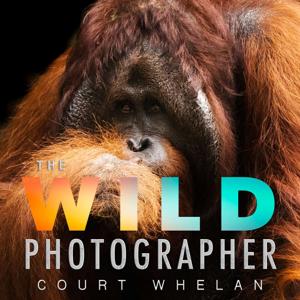

There are few things more frustrating in wildlife photography than thinking you nailed the moment… only to later realize the animal is just a little bit soft. That is, you didn't freeze the wildlife movement.
In this episode of The Wild Photographer, we’re diving into one of the most practical, field-tested topics in wildlife photography: what shutter speeds you actually need to freeze motion.
But here’s the important part: not all movement is created equal. A sleeping polar bear, a restless lion, a nursing cub, a walking raccoon (any raccoon photographers out ther?), a sparring bear, a flying bird, and a twitchy little forest bird all require different thinking. And while faster shutter speeds are usually safer, they come with trade-offs: higher ISO, more noise, wider apertures, less depth of field, or the need to lean on de-noise software later.
We’ll start by separating two types of movement: camera movement and subject movement. Camera shake can sometimes be handled with the classic “one over focal length” rule, image stabilization, tripods, monopods, or good bracing technique. But subject movement? That’s a whole different beast — sometimes literally.
From there, we walk through practical shutter speed ranges for different wildlife scenarios, from resting animals all the way up to fast, frenetic movement like birds in flight, pouncing predators, or fast-twitch action. We also talk about when not to freeze motion, because intentional motion blur can be one of the most creative ways to make your wildlife photography stand out.
The goal here isn’t to memorize a rigid formula. It’s to build a mental field guide so that when the action starts, you can make fast, confident decisions — instead of fumbling with settings while the cheetah, bear cub, or twitchy bird does something spectacular and then immediately pretends nothing happened.
Here’s the summary list of shutter speeds discussed in the episode:
Wildlife Scenarios | Recommended Shutter Speed Range
Resting animal / no movement | 1/100 to 1/250 sec
Slightly restless animal / periodic movement | 1/200 to 1/320 sec
Restful interaction — nursing cubs, gentle behavior | 1/250 to 1/500 sec
Steadily moving but calm — slow bear, relaxed walking, gentle movement | 1/320 to 1/600 sec
Playful interaction — gorilla baby playing, active family behavior | 1/500 to 1/800 sec
Walking or trotting mammal | 1/800 to 1/1250 sec
Fast movement — sparring, chasing, rolling, running | 1/1600 to 1/2000 sec
Frenetic movement — birds in flight, pouncing, twitchy action | 1/1600 to 1/3200 sec
Extremely fast wings — hummingbirds, insects, wingbeats | 1/4000 to 1/8000 sec may help, but even this may not fully freeze wing motion
Twitchy birds on branches | Can range from 1/250 to 1/1600 sec, depending on timing
Intentional motion blur | Start around 1/40 sec, then experiment slower
Slow-motion blur experiments | Try 1/20, 1/10, 1/8, 1/5, or 1/2 sec
Panning wildlife | Often around 1/40 to 1/20 sec
Handheld landscapes | Absolute slow end around 1/50 sec, but often safer at 1/200 to 1/250 sec
Tripod landscapes | Much slower shutter speeds are possible because the subject usually isn’t moving, and tripods take out all hand movement.
Court's Websites
Sponsors and Promo Codes:
 View all episodes
 By Court Whelan

4.7
3434 ratings
There are few things more frustrating in wildlife photography than thinking you nailed the moment… only to later realize the animal is just a little bit soft. That is, you didn't freeze the wildlife movement.
In this episode of The Wild Photographer, we’re diving into one of the most practical, field-tested topics in wildlife photography: what shutter speeds you actually need to freeze motion.
But here’s the important part: not all movement is created equal. A sleeping polar bear, a restless lion, a nursing cub, a walking raccoon (any raccoon photographers out ther?), a sparring bear, a flying bird, and a twitchy little forest bird all require different thinking. And while faster shutter speeds are usually safer, they come with trade-offs: higher ISO, more noise, wider apertures, less depth of field, or the need to lean on de-noise software later.
We’ll start by separating two types of movement: camera movement and subject movement. Camera shake can sometimes be handled with the classic “one over focal length” rule, image stabilization, tripods, monopods, or good bracing technique. But subject movement? That’s a whole different beast — sometimes literally.
From there, we walk through practical shutter speed ranges for different wildlife scenarios, from resting animals all the way up to fast, frenetic movement like birds in flight, pouncing predators, or fast-twitch action. We also talk about when not to freeze motion, because intentional motion blur can be one of the most creative ways to make your wildlife photography stand out.
The goal here isn’t to memorize a rigid formula. It’s to build a mental field guide so that when the action starts, you can make fast, confident decisions — instead of fumbling with settings while the cheetah, bear cub, or twitchy bird does something spectacular and then immediately pretends nothing happened.
Here’s the summary list of shutter speeds discussed in the episode:
Wildlife Scenarios | Recommended Shutter Speed Range
Resting animal / no movement | 1/100 to 1/250 sec
Slightly restless animal / periodic movement | 1/200 to 1/320 sec
Restful interaction — nursing cubs, gentle behavior | 1/250 to 1/500 sec
Steadily moving but calm — slow bear, relaxed walking, gentle movement | 1/320 to 1/600 sec
Playful interaction — gorilla baby playing, active family behavior | 1/500 to 1/800 sec
Walking or trotting mammal | 1/800 to 1/1250 sec
Fast movement — sparring, chasing, rolling, running | 1/1600 to 1/2000 sec
Frenetic movement — birds in flight, pouncing, twitchy action | 1/1600 to 1/3200 sec
Extremely fast wings — hummingbirds, insects, wingbeats | 1/4000 to 1/8000 sec may help, but even this may not fully freeze wing motion
Twitchy birds on branches | Can range from 1/250 to 1/1600 sec, depending on timing
Intentional motion blur | Start around 1/40 sec, then experiment slower
Slow-motion blur experiments | Try 1/20, 1/10, 1/8, 1/5, or 1/2 sec
Panning wildlife | Often around 1/40 to 1/20 sec
Handheld landscapes | Absolute slow end around 1/50 sec, but often safer at 1/200 to 1/250 sec
Tripod landscapes | Much slower shutter speeds are possible because the subject usually isn’t moving, and tripods take out all hand movement.
Court's Websites
Sponsors and Promo Codes:

696 Listeners

2,018 Listeners
414 Listeners
293 Listeners
123 Listeners
115 Listeners
119 Listeners
101 Listeners
11 Listeners
15 Listeners
6 Listeners

95 Listeners
42 Listeners
40 Listeners
29 Listeners