
Sign up to save your podcasts
Or

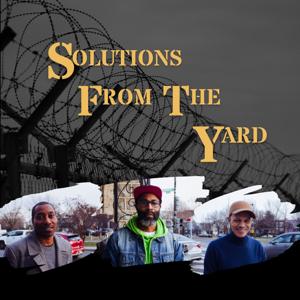


In this episode of Solutions from the Yard, the hosts are joined by Eric Franklin for a continued conversation on the realities of reentry, with a focus on the barriers returning citizens face when accessing basic resources. The discussion centers on the challenges surrounding SNAP benefits and the critical role they play in supporting individuals as they transition back into the community.
Drawing from lived experience, the hosts and Eric highlight the systemic obstacles that often delay or prevent access to essential assistance, creating additional hardship during an already vulnerable time. They emphasize how gaps in support can contribute to economic instability and make successful reintegration more difficult.
This episode underscores the importance of policy changes and sustained investment in resources that meet people’s basic needs, reinforcing that access to food, stability, and support is fundamental to successful reentry and long-term community well-being.
In this episode of Solutions from the Yard, the hosts are joined by Eric Franklin, who shares his firsthand experience navigating reentry after serving a lengthy prison sentence. The conversation centers on the impact of the Incarceration Reduction Amendment Act (IRAA) and how second chance legislation can create meaningful opportunities for individuals who were incarcerated at a young age.
Through personal reflection and lived experience, Eric discusses the concept of “arrested development” and the challenges of rebuilding one’s life after years of incarceration. He highlights the importance of access to programming, personal growth, and strong support systems in preparing for a successful return to the community.
This episode offers a powerful perspective on second chances, emphasizing the importance of policies that recognize growth, invest in rehabilitation, and create pathways for individuals to move forward with purpose.
In this episode of Solutions from the Yard, the hosts continue their discussion on second chance legislation, focusing on the Incarceration Reduction Amendment Act (IRAA) and the public narratives surrounding it. They examine how early messaging and fear-based rhetoric shaped perceptions of the law, often framing it as a risk to public safety despite evidence showing its positive impact.
Through thoughtful analysis and lived experience, the hosts challenge these narratives and highlight the importance of grounding policy discussions in truth, data, and human impact. They explore how second look legislation has created meaningful opportunities for individuals to return to their communities and rebuild their lives.
This episode emphasizes the need to move beyond fear-driven policymaking and instead support approaches that prioritize rehabilitation, accountability, and long-term community well-being.
In this episode of Solutions from the Yard, the hosts examine the impact of recent crime-related legislation in Washington, DC, with a focus on the Second Look Amendment Act of 2019. The conversation explores the intent behind the law, which allows individuals who committed offenses before the age of 25 to petition for early release after serving significant time.
Drawing from both policy knowledge and lived experience, the hosts discuss the tension between public safety concerns and the belief in rehabilitation and second chances. They also address how the legislation has been portrayed in public discourse, questioning narratives that frame second look policies as a threat rather than an opportunity for transformation.
This episode invites listeners to consider the broader implications of second chance legislation and what it means to build a justice system that recognizes growth, accountability, and the potential for change.
In this episode of Solutions from the Yard, the conversation continues with a deeper examination of public safety in Washington, DC, focusing on the gap between proposed solutions and meaningful action. The hosts highlight how recommendations from a public safety task force have largely been ignored, with only a small fraction implemented despite the urgency of the issues facing local communities.
Through lived experience and critical analysis, the discussion underscores the consequences of neglecting community-informed solutions. The hosts challenge the lack of proactive investment in prevention, emphasizing that failure to act on comprehensive recommendations only perpetuates cycles of harm, instability, and incarceration.
This episode calls attention to the importance of accountability, intentional policy implementation, and sustained investment in community-based strategies that address the root causes of crime and create pathways toward lasting public safety.
In this episode of Solutions from the Yard, the hosts examine what it truly means to improve public safety in Washington, DC. Centering their discussion on a long-delayed public safety plan, they critique current proposals that prioritize increased policing and incarceration without addressing the underlying causes of crime.
Drawing from lived experience and community insight, the conversation highlights how policies that focus solely on punishment often fail to produce meaningful or lasting change. Instead, the hosts emphasize the importance of investing in community-based solutions, resources, and opportunities that support stability and prevent harm before it occurs.
This episode challenges listeners to rethink conventional approaches to public safety and consider what it would look like to build safer, more supportive communities from the ground up.
In this section of "Solution on the Yard," hosts Dietrich Trent, Michael Dickerson-El, and Charles Hopkins discuss experiences in the "shoe" (solitary confinement unit). They talk about the mental preparation necessary to survive under these extreme conditions, where mental strength is crucial. Dickerson-El describes how solitary confinement can dehumanize individuals, desensitizing them to normal emotions and affecting their relationships upon returning to society. Hopkins highlights the inhumane nature of solitary confinement and how it negatively impacts prisoners both mentally and physically by subjecting them to constant transfers and invasive searches.
In this episode of "Solutions from the Yard," host Dietrich Trent and co-hosts Michael Dickerson-El and Charles Hopkins discuss the history and impact of solitary confinement, known as "the shoe" or special housing unit (SHU). They explain that solitary confinement was initially intended as a severe form of punishment, not for rehabilitation, dating back to the early 19th century. The hosts share personal experiences, detailing the mental and emotional toll of extended isolation, such as the lack of social interaction and the harsh conditions. They highlight how solitary confinement can lead to severe psychological effects, similar to the transition from solitary to general population to reentering society after incarceration.
In this episode of "Solutions from the Yard," hosts Charles Hopkins, Michael Dickerson-El, and Dietrich Trent discuss the challenges faced by youth in the D.C. area, focusing on the education system and juvenile delinquency. The hosts argue for the need for more resources, vocational training, and mentorship programs to provide hope and practical skills for youth. They emphasize the importance of parental involvement and community support in fostering a sense of purpose and direction for young people.
In this episode of "Solutions from the Yard," hosts Charles Hopkins, Michael Dickerson-El, and Dietrich Trent discuss D.C. politics and juvenile delinquency. They highlight a Justice Department study showing high rates of single-parent households, teen deaths, school dropouts, and child poverty in D.C. The hosts argue that preventive services and resources for youth are lacking and stress the importance of education, mentorship, and community support to address these issues.
From the publisher's feed