
Sign up to save your podcasts
Or


Send us Fan Mail
We lose an hour every spring and gain one in the fall, but our biology doesn’t change as quickly as the clock. In this episode, Sarah and Crystal explore how daylight saving time affects circadian rhythms, hormonal timing, mood regulation, and cognitive performance. They discuss why even a one-hour shift can disrupt sleep architecture, increase irritability and fatigue, and temporarily affect decision-making and emotional regulation.
The conversation also touches on sleep disorders discussed in the DSM-5-TR, including insomnia, sleep apnea, circadian rhythm sleep-wake disorders, hypersomnolence, and narcolepsy, while clarifying how these conditions actually present compared to common media portrayals.
The episode closes with practical, research-based strategies that may help the body adjust more smoothly to time changes, including light exposure timing, consistent sleep routines, and behavioral strategies that support circadian stability.
Helpful Sleep Resources
Sleep Foundation – https://www.sleepfoundation.org
National Sleep Foundation – https://www.thensf.org
Centers for Disease Control and Prevention – https://www.cdc.gov/sleep
American Academy of Sleep Medicine – https://sleepeducation.org
Disclaimer
This episode discusses psychological and sleep research for educational purposes only. It is not intended to diagnose, treat, or replace professional medical or mental health care. If you have ongoing sleep concerns, consider speaking with a qualified healthcare provider or sleep specialist.
Support the show
 View all episodes
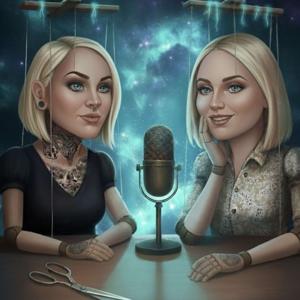
 By Marionette Dolls
Send us Fan Mail
We lose an hour every spring and gain one in the fall, but our biology doesn’t change as quickly as the clock. In this episode, Sarah and Crystal explore how daylight saving time affects circadian rhythms, hormonal timing, mood regulation, and cognitive performance. They discuss why even a one-hour shift can disrupt sleep architecture, increase irritability and fatigue, and temporarily affect decision-making and emotional regulation.
The conversation also touches on sleep disorders discussed in the DSM-5-TR, including insomnia, sleep apnea, circadian rhythm sleep-wake disorders, hypersomnolence, and narcolepsy, while clarifying how these conditions actually present compared to common media portrayals.
The episode closes with practical, research-based strategies that may help the body adjust more smoothly to time changes, including light exposure timing, consistent sleep routines, and behavioral strategies that support circadian stability.
Helpful Sleep Resources
Sleep Foundation – https://www.sleepfoundation.org
National Sleep Foundation – https://www.thensf.org
Centers for Disease Control and Prevention – https://www.cdc.gov/sleep
American Academy of Sleep Medicine – https://sleepeducation.org
Disclaimer
This episode discusses psychological and sleep research for educational purposes only. It is not intended to diagnose, treat, or replace professional medical or mental health care. If you have ongoing sleep concerns, consider speaking with a qualified healthcare provider or sleep specialist.
Support the show