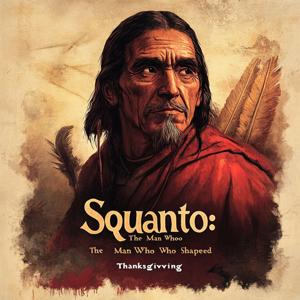
Squanto: The Man Who Shaped Thanksgiving Long before the Mayflower touched the shores of what would become Plymouth, Massachusetts, a young Patuxet man's life would take a series of extraordinary turns that would ultimately shape the course of American history. Tisquantum, known to history as Squanto, lived a life so remarkable that if it appeared in fiction, it would seem impossibly far-fetched. Born around 1585 into the Patuxet tribe, a subdivision of the larger Wampanoag confederation, Tisquantum's early years were spent in a thriving coastal community occupying the exact location where the Pilgrims would later establish Plymouth. The Patuxet were accomplished farmers, fishermen, and hunters, maintaining sophisticated seasonal patterns of food gathering and cultivation. They were also experienced traders, regularly interacting with other Native American groups and, increasingly, with European fishing vessels that frequented the coast. The first dramatic turn in Tisquantum's life came in 1614 when Captain Thomas Hunt, an English explorer, arrived on the Massachusetts coast. Hunt was supposed to be establishing trading relationships with the Native Americans, but he had more sinister plans. After gaining the trust of local inhabitants, Hunt invited several young Patuxet men, including Tisquantum, aboard his ship, ostensibly to trade. Instead, he took them captive, along with twenty other Native Americans from various coastal villages. Hunt's destination was Málaga, Spain, where he planned to sell his captives into slavery in the Mediterranean slave trade. This brutal kidnapping was not an isolated incident but part of a larger pattern of European exploitation that would have devastating consequences for Native American communities along the Atlantic coast. For Tisquantum, it marked the beginning of an odyssey that would take him across the ocean and back multiple times. In Málaga, Tisquantum's fate took another unexpected turn. While some of his fellow captives were sold into North African slavery, he was rescued by Catholic friars who were actively working to prevent the enslavement of Native Americans. These Spanish monks took him in, and during his time with them, Tisquantum learned Spanish and was introduced to Christianity. This period of his life, though sparsely documented, provided him with crucial exposure to European languages, customs, and religious beliefs. Through circumstances that remain somewhat unclear in historical records, Tisquantum eventually made his way to England, possibly with the help of English traders working in Spain. He found himself in London, living in the household of John Slaney, a wealthy shipbuilder and treasurer of the Newfoundland Company. In London, Tisquantum's linguistic abilities expanded to include English, and he gained intimate knowledge of English society and customs. Living in Cheapside, London's commercial heart, Tisquantum witnessed a world vastly different from his homeland. The London of 1616-16
This content was created in partnership and with the help of Artificial Intelligence AI.