
Sign up to save your podcasts
Or

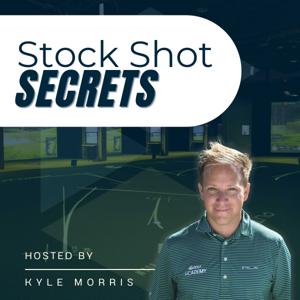


In this highly anticipated follow-up episode of "Stock Shot Secrets," host Kyle Morris dives deep into the intricacies of mastering the mental and emotional aspects of golf to elevate one's game. Morris covers everything from setting realistic expectations and the necessity of practice, to handling emotions on the course, and specific techniques for managing pressure and self-talk.
### Setting Realistic Expectations and the Need for Practice
Kyle Morris begins the episode by addressing the often-overlooked importance of setting realistic expectations. He highlights that many golfers set themselves up for disappointment by having unrealistic goals without putting in the necessary practice. Morris asserts that making solid contact with the golf ball should be the primary focus before working on other aspects of the game, as it lays the foundation for a reliable stock shot.
### Personalized Coaching Programs
Understanding that every player’s journey is unique, Morris introduces listeners to the personalized coaching program available through Stock Shot Secrets. By joining stockshotclub.com, listeners can take advantage of a free 7-day trial to experience personalized coaching and community support, which can be a game-changer in their golfing journey.
### Emotional Management on the Course
Morris delves into the critical role of emotional management in golf performance. He advises that it is perfectly normal to feel emotions after a bad shot, but the key is to quickly move on and maintain optimism. By allowing oneself to feel emotions without dwelling on them, golfers can stay focused and professional, thus minimizing the impact of a single poor shot on their overall game.
### Pressure Management Techniques
To handle the pressure, especially on the first tee, Morris shares some personal techniques. These include deep breathing exercises and creating a routine that overlaps with playing partners. He emphasizes that being in a relaxed state of mind can significantly improve performance, aiding golfers in making better, more confident swings.
### The Moment of Impact and the Think Box vs. Play Box
One of the most insightful segments of the episode revolves around the "moment of impact." Morris explains the crucial difference between the "think box" and the "play box," two mental states that every golfer must navigate. The think box is where strategy and planning occur, whereas the play box is where execution happens. By separating these two phases and focusing fully on the play box during the swing, golfers can improve their performance at the moment of impact.
### Managing Goals and Expectations for New Golfers
For new golfers, Morris offers invaluable advice on managing goals and expectations. He stresses the importance of seeking guidance and joining a supportive golf community, as these steps can significantly accelerate improvement and make the learning process more enjoyable.
### Self-Talk and Its Impact on Performance
Self-talk can either be a golfer's best friend or worst enemy. Morris discusses how negative self-talk can perpetuate negative memories and self-perceptions, dramatically affecting performance. He emphasizes the importance of recognizing and addressing these negative thoughts. By replacing negative self-talk with positive affirmations, golfers can create a more supportive internal dialogue that fosters confidence and focus.
### Expanding the Pot of Skill
Using an engaging analogy, Morris explains how the "pot" of skill needs to be expanded for golfers to reach their maximum potential. He underscores the importance of continuous skill improvement while also focusing on mental and emotional management. By expanding their skill set and honing their mental game, golfers can navigate challenges more effectively and perform at a higher level.
### Off-Season Skill Improvement and In-Season Focus
Morris advises that golfers should focus on expanding their skills during the off-season and shift their attention to mental and emotional aspects during the playing season. This balanced approach ensures continuous improvement and optimal performance when it matters most.
### Observing Grant Waite's Swing
To illustrate his points, Morris shares a personal story about observing professional golfer Grant Waite’s swing. Despite his excellent swing mechanics, Waite struggled with timing and tension issues, highlighting that even the best technical skills require mental polish for consistent performance.
### Senses and Presence in Golf
Another crucial aspect of golf performance discussed in the episode is the focus on senses and being present during the game. Morris advocates for concentrating on sensory experiences rather than reciting technical instructions during play. This approach helps golfers stay grounded and focused, enhancing their in-the-moment performance.
### Guidance, Coaching, and Self-Reflection
Morris encourages listeners to seek guidance and coaching to improve their game. He believes that self-reflection and positive self-talk are indispensable tools in a golfer’s arsenal, aiding in both technical and emotional development. Extended support and personalized guidance are available through the Stock Shot Club and its VIP program, which Morris enthusiastically promotes.
### Holistic Approach to Golf
Morris emphasizes a holistic approach to golf, addressing not just technical skills but also mental and strategic aspects. He shares his regret about not having this level of comprehensive guidance earlier in his career and encourages listeners to take advantage of the resources available.
### Course Management and Nutrition
Another critical element discussed is the importance of course management and its impact on performance. Morris touches on how nutrition and energy levels play a significant role, advocating for variability and experimentation in practice to discover what works best for each individual.
### Mental States, Intention, and Mindfulness
Morris stresses the importance of mental states, intention, and mindfulness in golf. He suggests that comfort and relaxation play a crucial role in performance, rather than an overemphasis on swing changes. By maintaining a relaxed state and clear intention, golfers can enhance their performance without unnecessary tension.
### Timing Pre-Shot Routines and Solo Practice
The episode also delves into practical strategies for timing pre-shot routines and solo practice methods. Drawing references from Scott Fawcett’s decade program and Tiger Woods' routine at the US Open, Morris offers tips on self-monitoring through video recordings and practicing with a defined routine. He emphasizes the importance of specific play box sensations and commitment to each shot.
### Adjusting Yardage and Swing Tempo
Morris offers practical advice on adjusting yardage without changing swing tempo. He suggests using hand arc or club selection based on lie and distance to the flag, ensuring that golfers can make precise and confident shots under varying conditions.
### Closing Thoughts
In closing, Kyle Morris reiterates the value of a holistic approach to golf, integrating technical skills with mental and emotional management. He encourages the audience to participate actively, join the Stock Shot Club, and seek personalized coaching to navigate the complexities of the game effectively. By doing so, golfers can get out of their own way and play their best, paving the path for continuous improvement and joyful golfing experiences.
Listeners are encouraged to reach out with questions and share their experiences, fostering a supportive community dedicated to the art and science of golf.
00:00 Identify negative self-talk, it affects memory.
06:36 Improve self-talk, expand skills, and perform.
09:02 Golf swing off due to timing and tension.
12:38 Golfer emphasizes the importance of varied practice.
16:49 Embrace guidance for personal and professional growth.
20:59 Build confidence and reach full potential with resources.
22:17 Prioritize well-being for ultimate potential success.
25:53 Improving performance requires routine, focus, and strategy.
30:18 Shorten hand length to adjust distance on green.
34:19 Mental and physical preparation before golf tournament.
38:16 Mental focus crucial for sports performance.
41:56 Free 7-day access to personalized stock shot guidance.
Music from #Uppbeat (free for Creators!):
https://uppbeat.io/t/hartzmann/paradise-island
License code: EGCL4LAT2URKBLYU
Copyright 2026 Kyle Morris
In this insightful and transformative episode of Stock Shot Secrets, host Kyle Morris delves deep into one of the most perplexing aspects of golf: How do you harness your potential and play consistently well on the course? Drawing from personal experiences and epiphanies, Kyle introduces listeners to the concept of 'timing' in golf and how it influences every aspect of a golfer’s performance, from the range to the course.
**Episode Breakdown:**
**[0:00:00] Introduction:**
The episode kicks off with a classic Stock Shot Secrets question: How do passionate golfers develop a reliable stock shot daily? Kyle sets the stage for a deep dive into the nuances that separate amateur golfers from the tour professionals.
**[0:00:20] Sound Check and Audience Interaction:**
Engaging with his live audience, Kyle ensures everyone can hear him clearly, indicating a robust and interactive session. He teases a new, potentially transformative topic that has only been discussed a couple of times before – even with his close associates.
**[0:00:56] Setting the Scene:**
Kyle reflects on a recent trip to Scottsdale, a place rich with personal memories from his professional playing days. This trip sparked several epiphanies about why golfers often perform well on the range but falter on the course. These reflections form the backbone of the episode's discussion.
**[0:01:55] The Epiphany:**
Kyle introduces the problematic scenario: hitting one bad shot that derails an otherwise good day. Why do these anomalies occur? Why can a player hit a shot perfectly hundreds of times on the range and still fail to reproduce it on the course? These questions are central to understanding consistency in golf.
**[0:03:03] What Tour Players Share:**
Kyle challenges his audience to identify a key commonality among tour players. While swings may vary – from Rickie Fowler's to Matt Wolff's – there is one critical element all professional golfers share. Suggestions from the audience such as mental preparation, tempo, and routine converge on the episode's primary theme: timing.
**[0:05:03] The Importance of Timing:**
Kyle explains how tour players, despite having different swing styles, all maintain consistent timing with their swings. This consistency in timing is contrasted with the variability seen in amateur swings, often leading to drastically different outcomes.
**[0:06:57] Case Study - Troy:**
Using the example of a student named Troy, Kyle demonstrates how two seemingly identical swings can yield vastly different results – one swing launching the ball five yards and the other 160 yards. The distinguishing factor? Timing.
**[0:08:06] Personal Story:**
Kyle shares a personal anecdote about playing in the U.S. Open, emphasizing that his one bad swing was not due to a technical flaw but a timing issue. This story underlines the concept that playing better golf has more to do with managing oneself than perfecting mechanical aspects of the swing.
**[0:09:32] The Tree of Timing:**
Kyle introduces the 'Tree of Timing,' a metaphorical representation to help understand the crucial elements required for consistent performance. The tree of timing has its roots in factors such as balance, tempo, and tension awareness. These elements feed into the trunk of the tree fostering good timing – the ultimate goal.
**[0:11:29] Balance, Tempo, and Tension Awareness:**
For golfers to achieve good timing, they must ensure they have great balance, tempo, and are aware of their tension levels. Kyle underscores the idea that good balance and tempo are essential for maintaining consistency.
**[0:13:01] What Changes in a Round:**
Here, Kyle tackles the misconception that swings change dramatically during a round of golf. Instead, he posits that what truly changes is the golfer’s internal state – their mental and physical condition – and not the mechanics of the swing.
**[0:14:09] The Role of Preparation:**
Kyle introduces concepts used in the pre-shot routine or Thinkbox, which involves asking specific questions and making decisions before taking a shot. Proper mental preparation ensures commitment and reduces tension.
**[0:17:34] Comprehensive View on Influences:**
Various factors influencing a golfer’s performance during a round are discussed in detail. These include:
- **Thinkbox:** The importance of a consistent pre-shot routine.
- **Spirit of the Game:** Understanding your motivations and enthusiasm for playing.
- **Adrenaline Management:** Being aware of adrenaline levels and their impact, particularly in high-stress situations.
- **In-Between Shots:** How to occupy the mind constructively during the lengthy periods between shots to maintain focus and positive energy.
- **Self-Talk:** The critical role self-talk plays in maintaining a positive and focused mindset.
**[0:28:21] Closing Thoughts:**
Kyle ties these elements back to his personal experiences and professional advice, stressing that golfers need to learn how to manage their mental state and external influences to achieve and maintain good timing, leading to better performance on the course.
This episode of Stock Shot Secrets offers a comprehensive look into the often-overlooked mental and emotional factors in golf, providing listeners with actionable strategies to improve their game by managing their internal state more effectively. Stay tuned for Part 2, where Kyle will continue to unfold more secrets to mastering the mental game of golf.
00:00 Golf webinar emphasizes importance of potential.
05:42 Golf pros swing times compared to amateurs.
06:57 Troy struggles with golf, shows swing differences.
11:29 Good timing crucial for sports performance and rhythm.
15:35 Mitch changes, understand why you're changing.
19:32 Indecisive swing causes bad shot, avoid tension.
22:50 Prioritize happiness, manage your goals and adrenaline.
26:12 Golf rounds are long, occupy your mind.
27:07 Cortisol affects golf performance, managing stress important.
Music from #Uppbeat (free for Creators!):
https://uppbeat.io/t/hartzmann/paradise-island
License code: EGCL4LAT2URKBLYU
Copyright 2026 Kyle Morris
In this insightful episode of Stock Shot Secrets, host Kyle Morris addresses a dilemma that everyone encounters - the lack of time. He dives into strategies and tips to maximize the small windows of opportunity we have in our busy lives to practice and improve our golf game. This episode is tailored for those passionate golfers who feel overwhelmed with their daily schedules but still aspire to get better every day.
#### Key Questions Addressed
Kyle starts the episode with a fundamental question that's relevant to all listeners: How can we effectively use our limited time to develop a reliable stock shot? He acknowledges the prevalent feeling of being overwhelmed by responsibilities, whether personal or professional, and the constant battle to find time for passion and hobbies.
#### Kyle's Narrative
Kyle shares his personal experience and time management techniques to provide a practical perspective on the subject. He gives a detailed account of his busy life, handling the operations at 'The Golf Room' with over 30,000 appointments annually, managing 'The Golf Room Everywhere' catering to 50,000 clients, and his involvement in the American Junior Golf Association. Despite this bustling schedule, he highlights how he manages to get sufficient sleep, a critical aspect of maintaining productivity and performance.
#### Emphasis on Prioritization
One significant highlight of the episode is Kyle’s emphasis on prioritizing what's essential. He reflects on a pet peeve of his - people, especially junior golfers, claiming they have no time to practice. His belief is that everyone has the same 24 hours a day, and it's all about how we choose to allocate those hours. He advocates for a structured approach where every segment of time is pre-planned to squeeze out the maximum productivity, something he refers to as ‘chunking.’
#### Introduction to VIP Program
To address the issue of limited practice time, Kyle introduces the VIP program inside the Golf Room Everywhere. This program is designed for individuals who are deeply committed to improving their golf game. It provides constant access to a coach, ensuring that players get real-time answers to their questions without waiting for their next scheduled lesson. This ensures a consistent and progressive learning curve.
#### Kyle’s Daily Routine
Kyle provides a comprehensive look into his daily routine to illustrate how he manages his time. From waking up at 5:24 AM, every minute of his day is meticulously planned to maximize efficiency - from his morning coffee ritual to his workout, commute, and work schedule, including time spent in self-development and family. This peek into his daily life is meant to inspire and demonstrate that with proper time management, it's possible to achieve consistent practice and improvement.
#### Importance of Being Present
A crucial takeaway from Kyle’s discussion is the importance of being fully present in whatever you're doing - be it practicing golf, working, or spending time with family. He stresses compartmentalizing different areas of life into ‘silos’ to stay focused and get the most out of each activity without distractions. This approach helps in providing undivided attention to tasks at hand and, in turn, increases productivity and satisfaction.
#### Advice on Effective Practice
Kyle advises that having limited practice time means that every practice session should be intentional and goal-oriented. He cautions against trying random tips from Instagram or YouTube during practice sessions, as this leads to a diluted focus and poor results. Instead, he recommends having a clear, well-structured plan tailored to individual needs to get the highest return on investment (ROI) for the time spent practicing.
#### Conclusion and Call to Action
In conclusion, Kyle underlines the necessity of prioritizing what’s important and making time for it. He advocates for seeking a mentor if one is serious about improving in golf or any other area. For passionate golfers wanting to make the most of their practice sessions, Kyle invites listeners to consider joining the Stock Shot Club, offering a trial period to experience personalized coaching.
---
**Key Points Summary:**
1. **Time Management:** Efficient use of time through ‘chunking’ and prioritizing important tasks.
2. **VIP Program:** Real-time coaching access to answer questions and ensure consistent improvement.
3. **Daily Routine:** Detailed breakdown of Kyle’s organized day to maximize productivity.
4. **Being Present:** Importance of undivided attention to each task to yield better results.
5. **Effective Practice:** Structured and goal-oriented practice sessions for high ROI.
6. **Call to Action:** Invitation to join the Stock Shot Club for personalized coaching.
This episode of Stock Shot Secrets is a must-listen for any golfer who struggles to find time for practice. Through practical advice and personal anecdotes, Kyle Morris offers invaluable insights into making the most of limited practice time, ensuring every moment spent is productive and geared towards improvement. Join Kyle in this journey of mastering the stock shot, making the most of every precious minute you have.
00:00 VIP program offers coaching in 7-minute increments.
03:09 Balancing practice time with busy schedules is crucial.
09:03 Learn to manage time by prioritizing tasks.
12:05 Prioritize what's important before building out.
12:55 Free 7-day access at stockshotclub.com
Music from #Uppbeat (free for Creators!):
https://uppbeat.io/t/hartzmann/paradise-island
License code: EGCL4LAT2URKBLYU
Copyright 2026 Kyle Morris
Welcome to another insightful episode of Stock Shot Secrets, where host Kyle Morris delves into one of the most prevalent issues golfers face: the stark difference between their flawless practice swings and their erratic swings during a real game. This episode examines why this discrepancy occurs and offers practical solutions to overcome it.
#### Introduction
Kyle opens by sharing an anecdote about a recent encounter with a player who exhibited exceptional practice swings but struggled immensely when hitting an actual golf ball. This isn't a unique problem, as Kyle reveals that many golfers voice the same frustrations via community text lines and online forums.
#### The Core Issue: Consequence and Timing
According to Kyle, the primary difference between a practice swing and a real swing is the presence of a "consequence." While practice swings are free of immediate repercussions, real swings carry the potential for poor shots, affecting overall performance and adding pressure.
**Consequence Awareness:**
Kyle discusses how recognizing the element of consequence is the first step towards resolving the issue. Many golfers fail to understand that the added pressure of making contact with the ball changes their timing. He notes that practice swings often appear more fluid because there's no ball to create tension or stress.
#### Transitioning from Practice to Real Swings
Kyle offers actionable advice to bridge the gap between practice swings and real swings:
1. **Enhanced Awareness:**
Golfers need to develop greater self-awareness during their swings. This involves noticing changes in breathing, muscle tension, and overall comfort levels. Kyle emphasizes focusing on one of the five senses—sight, touch, taste, smell, and hearing—to improve concentration and reduce stress.
2. **Intentional Focus:**
Kyle suggests golfers set a specific intention for each practice session, such as focusing on breathing or the sensation in their hands. By honing in on particular details, golfers can alleviate some of the anxiety associated with hitting an actual ball.
#### The Role of Feedback
A critical aspect of improving your real swing is using effective feedback mechanisms during practice. Kyle draws an analogy with math problems: practicing incorrect swings is counterproductive, just like consistently solving math problems incorrectly. Instead, golfers need to use feedback tools to ensure they are practicing correctly:
- **Utilize Video Analysis:** Kyle recommends filming your golf swing to objectively assess performance. A camera, he says, serves as an "answer key" to validate whether you're making the correct moves.
- **Feedback Stations:** Create practice environments that provide immediate feedback. These can include alignment sticks, mirrors, or even a coach’s critique.
#### Real-World Application
To enforce his point, Kyle shares his personal experiences practicing at renowned courses like TPC Scottsdale and Worthington Hills. He explains how setting up a camera during real-game situations provides invaluable insights, far beyond what mere feelings can offer.
#### Mindset and The Freedom to Fail
One of the episode's key themes is the importance of giving oneself the "freedom to fail." Kyle explains that genuine improvement occurs when golfers allow themselves to experiment and make mistakes, ideally in low-stress conditions such as late afternoons on an empty golf course.
- **Exaggerate for Effect:** When transitioning techniques from practice to real gameplay, Kyle advises exaggerating the swing feelings to make them effective on the course.
- **Repeated Validation:** Frequent practice and validation through video analysis help in building trust in the new techniques.
#### Conclusion
The episode wraps up with a reiteration of the main takeaway: the primary difference between practice swings and real swings is the golfer’s mindset and the presence of consequences. To mitigate this, golfers should focus on increased self-awareness, intentional practice, and effective use of feedback. By doing so, golfers can start to bridge the gap between their practice and real swings, thereby improving their consistency and overall performance.
Kyle Morris extends an invitation to the listeners to join the Stock Shot Club at stockshotclub.com for personalized coaching and 7 days of free access to video reviews and practical advice. This bonus offer aims to provide an added layer of support and guidance for golfers on their journey to mastering the art of the stock shot.
In summary, this episode of Stock Shot Secrets serves as a valuable resource for golfers struggling with the age-old problem of inconsistent swings. Through practical tips, real-life examples, and a strong emphasis on the mental aspect of the game, Kyle equips golfers with the tools they need to bring their practice success to the golf course.
00:00 Develop awareness, focus on senses, relieve stress.
03:39 Focus on intentions to reach your potential.
06:56 Exaggerate movements, use camera feedback for improvement.
10:46 Join Stock Shot Club for 7 days free.
Music from #Uppbeat (free for Creators!):
https://uppbeat.io/t/hartzmann/paradise-island
License code: EGCL4LAT2URKBLYU
Copyright 2026 Kyle Morris
In this episode of "Inside The Room," Kyle Morris welcomes one of his favorite people and fellow golf instructor, Ben Pellicani. They dive into Ben's journey from a young amateur golfer to becoming a well-known golf instructor and former TrackMan sales rep. Ben shares insights into his teaching philosophy, the importance of feedback in training, and how understanding physics and mechanics play a crucial role in mastering the game of golf.
#### Episode Highlights:
- **Introduction and Background**:
- Kyle Morris introduces Ben Pellicani, highlighting their long-standing friendship and Ben's role as an instructor in Nashville, Tennessee.
- Ben provides an overview of his background, growing up in the Northeast, and his early passion for golf driven by sibling rivalry.
- The journey from a high handicapper to playing high school and college golf.
- **Early Career and TrackMan Experience**:
- Ben talks about his initial career challenges, including a stint as an assistant golf pro and his decision to focus on instruction.
- His pioneering role as one of the first TrackMan sales reps and how his mechanical engineering background proved beneficial.
- The significance of TrackMan in modern golf and its impact on player performance and coaching.
- **Transition to Mike Bender's Academy**:
- Ben explains how he transitioned from playing and selling TrackMan to becoming the academy director at Mike Bender's Academy.
- The steep learning curve and opportunities to observe and learn from top instructors like Mike Bender.
- The development and implementation of a structured teaching philosophy, focusing on mechanics and feedback.
- **Teaching Philosophy and Methods**:
- The importance of feedback stations and drills in effective golf training.
- Ben's four pillars of training: feedback, training aids, old-school drills, and gym-like exercises.
- Emphasizing the need for diversified training methods to address different aspects of the game and improve efficiency.
- **Common Issues in Amateur Golf**:
- Addressing common flaws among amateur golfers: improper pivoting, poor clubface management, and inefficient speed creation.
- The critical role of understanding and managing these aspects to lower handicaps and improve overall performance.
- Encouraging players to become their own coaches by deeply understanding the "why" behind their practice routines and techniques.
- **Adapting Teaching for Different Learners**:
- The need for personalized instruction tailored to individual physical attributes and learning styles.
- How physics and mechanics apply universally, but the approach to teaching them can vary.
- Ben's experience in collegiate coaching and the importance of clear communication in helping students grasp concepts and improve.
- **Remote Coaching and The Golf Room Everywhere**:
- Ben's involvement with The Golf Room Everywhere and the benefits of remote coaching.
- How modern technology allows for effective training and improvement regardless of geographical location.
- The importance of feedback and consistent practice in remote coaching environments.
- **Final Thoughts and Contact Information**:
- Ben shares his excitement for teaching and helping golfers achieve their goals.
- Encourages listeners to follow him on Instagram (@pelligolf) for tips, drills, and interactive Q&A sessions.
- Information on how to work with Ben remotely through The Golf Room Everywhere for personalized coaching.
#### Conclusion:
This episode provides a comprehensive look at Ben Pellicani’s journey in the golf industry, from a passionate young golfer to a respected instructor. His insights into the importance of structured practice, understanding mechanics, and leveraging technology like TrackMan offer valuable lessons for golfers at all levels. Listeners are encouraged to seek personalized instruction, embrace diversified training methods, and utilize modern tools to improve their game.
---
### Timestamps:
- **[00:00:00]** Introduction and Welcome
- **[00:01:01]** Ben’s Background and Early Passion for Golf
- **[00:04:53]** Transition to TrackMan and Early Career Challenges
- **[00:08:12]** Role at Mike Bender’s Academy
- **[00:15:19]** Teaching Philosophy and Training Methods
- **[00:21:23]** Insights into Amateur Golf Flaws
- **[00:25:00]** Importance of Feedback in Practice
- **[00:31:12]** Adapting Teaching to Different Learners
- **[00:35:45]** Remote Coaching and The Golf Room Everywhere
- **[00:41:38]** Final Thoughts and Contact Information
##### Follow Ben Pellicani:
- **Instagram**: [@pelligolf](https://www.instagram.com/pelligolf)
- **Email for Coaching Inquiries**: [[email protected]](mailto:[email protected])
---
**Host Contact**:
- **Email**: [[email protected]](mailto:[email protected])
- **Visit The Golf Room in Columbus, Ohio**: Schedule an in-person session for a personalized golf improvement plan.
Thank you for tuning in to this episode of Inside The Room. Stay tuned for more insights and tips from top golf instructors and industry professionals. Be sure to like, subscribe, and share this podcast with fellow golfers looking to elevate their game.
Music from #Uppbeat (free for Creators!):
https://uppbeat.io/t/hartzmann/paradise-island
License code: EGCL4LAT2URKBLYU
Copyright 2026 Kyle Morris
Welcome to another insightful episode of *Stock Shot Secrets*! In our ongoing quest to unlock the ultimate secrets behind the consistent performance of professional golfers, we dive deep into the mental strategies and approaches of tour players during crucial events. Hosted by Kyle Morris, this episode, titled "How Tour Players Think Part 2," is packed with firsthand experiences and in-depth analysis aimed at helping passionate golfers like you build a reliable stock shot and enhance your game.
### Introduction
**Timestamp: [00:00:00] - [00:01:22]**
Kyle kicks off this episode by recapping his recent experience competing in the US Open qualifying round. Despite not having played golf for six months, Kyle's detailed reflection on his mental state and strategic approach provides a solid foundation for understanding how to manage emotions and tactics on the course. He emphasizes the importance of great timing and making consistent yet individualized adjustments to one's golf swing.
### Mental Preparation and Emotional Awareness
**Timestamp: [00:01:22] - [00:04:14]**
Kyle delves into the mental preparations necessary for competitive golf. He acknowledges that competitive golf, much like other professional sports, requires a high degree of self-awareness and emotional control. Describing it as the "most narcissistic sport ever," Kyle explains how golfers must constantly evaluate and manage their emotional states to maintain peak performance.
### The First Tee and Managing Nerves
**Timestamp: [00:04:14] - [00:05:41]**
Kyle shares his experience of dealing with nerves on the first tee. Despite being nervous, which he attributes to his care and passion for the game, he manages to make contact and get through the initial hurdle. He underscores the importance of recognizing and accepting one's nervousness while employing strategies like belly breathing to help manage it.
### Strategic Thinking and Course Management
**Timestamp: [00:05:41] - [00:08:49]**
Kyle introduces listeners to his detailed process of course management and decision-making. By walking through his thought process on various holes, he illustrates the importance of having a clear game plan. This includes considerations like yardage, wind conditions, and landing spots. Kyle’s approach to aiming and executing shots reflects his deep understanding of strategic thinking in golf.
### Overcoming Adversity and Bouncing Back
**Timestamp: [00:08:49] - [00:09:48]**
After making a bogey on a par 3, Kyle discusses the importance of maintaining a positive mindset. He highlights the value of quickly moving from a state of disappointment to one of gratitude and confidence, demonstrating how professionals bounce back from setbacks.
### The Role of Routine and Consistency
**Timestamp: [00:09:48] - [00:12:24]**
Consistency in routine plays a vital role in professional golf. Kyle reveals his method of maintaining a consistent pre-shot routine, emphasizing that his routine likely remains the same for about 98% of his shots. This consistency helps in building a sense of familiarity and control, which is crucial under pressure.
### Handling External Distractions
**Timestamp: [00:12:24] - [00:17:28]**
Not all factors affecting performance come from within. Kyle recounts a critical moment during his round where an external distraction—the presence of a rules official—led to a poor shot. He uses this experience to stress the importance of staying focused and not letting external elements influence your game.
### Personalized Golf Coaching
**Timestamp: [00:17:28] - [00:20:58]**
Kyle shifts the focus to personalized golf coaching, highlighting the benefits of having a structured mental approach. Through examples of drills and exercises, he reiterates the significance of having a personalized game plan. Kyle encourages listeners to seek professional guidance to help in articulating and refining these strategies.
### Conclusion and Call to Action
**Timestamp: [00:20:58] - [00:22:10]**
Wrapping up the episode, Kyle encourages listeners to build self-awareness and articulate their own strategies for success on the golf course. He invites passionate golfers to join the Stock Shot Club for personalized coaching and ongoing support in their journey to improve their game.
### Key Takeaways
- **Emotional Awareness**: Recognizing and managing one's emotional state is crucial for peak performance.
- **Consistency in Routine**: Maintaining a consistent pre-shot routine helps in building confidence and reliability.
- **Strategic Thinking**: Detailed course management and decision-making play a significant role in a golfer’s success.
- **External Distractions**: It is essential to stay focused and not let external factors distract you from your game.
- **Personalized Coaching**: Investing in professional guidance can significantly enhance your understanding and execution of the game.
### Call to Action
If you’re passionate about improving your golf game, consider joining the Stock Shot Club. Gain access to individual coaching, personalized feedback, and a community of like-minded golfers. Visit [stockshotclub.com](http://stockshotclub.com) and start your journey towards building reliable stock shots today!
Thank you for listening to this episode of *Stock Shot Secrets*! Be sure to subscribe, share, and stay tuned for more episodes aimed at helping you unlock the secrets of consistent golfing success.
00:00 Mastering golf requires timing and introspection.
05:41 Player discusses mental approach to golf strategy.
06:28 Player articulates golf course strategy with precision.
11:51 Golf struggle, no birdies, just pars.
14:03 Distraction of rules official impacts decision-making.
17:57 Meditation and routine lead to consistent performance.
20:01 Recognize issues, create plan, seek help if needed.
Music from #Uppbeat (free for Creators!):
https://uppbeat.io/t/hartzmann/paradise-island
License code: EGCL4LAT2URKBLYU
Copyright 2026 Kyle Morris
In the latest episode of the "Stock Shot Secrets" podcast, host Kyle Morris dives deeply into the mindset and preparation that professional golfers undertake before an important tournament. This episode offers listeners a unique opportunity to understand how to mentally and physically prepare for a high-stakes golf round, drawing parallels to everyday competitive scenarios.
### Introduction:
Kyle Morris begins the episode by addressing a common question: How do passionate golfers develop a reliable stock shot? He sets the stage for an in-depth exploration of the mental and physical preparations he follows, especially highlighting his routine for the recent US Open qualifying event.
### Community Engagement:
Feedback from listeners via the community text line and Instagram posts influenced this episode. Many fans were curious about Kyle’s mindset and preparation strategies during big tournaments, prompting this detailed exploration.
### Setting the Stage:
- **Level of Detail Based on Event:** Kyle distinguishes the difference in preparation for a casual game versus a competitive one. He emphasizes the varying levels of preparation contingent on the importance of the match.
- **Concept of Timing:** A significant part of any professional golfer's swing revolves around timing. Kyle elaborates on how top golfers make their swings consistently reliable, aiding in balance, tempo, and tension awareness.
### Emotional and Mental Framework:
Kyle delves into the importance of emotional resilience, self-talk, and managing adrenaline levels. He uses anecdotes like the stress of a personal fight affecting one’s performance to illustrate the importance of a balanced emotional state.
### Course Preparation:
- **Google Earth and Apps:** Two days before the tournament, Kyle uses tools like Google Earth, Decade, and Shot Pattern to map the golf course and anticipate tee shots’ dispersion.
- **Practice Rounds:** Ideally, Kyle incorporates a practice round to verify his mapped lines and strategizes around the course's challenges. Due to his responsibilities, he sometimes can’t fit in a practice round and has to rely solely on his preparations.
### Night Before and Tournament Day Routine:
- **Sleep and Preparation:** Emphasizes the importance of sleep and a well-structured night before a big game. For example, planning bedtime around the tee time, even if it means an early night.
- **Breathing Exercise:** Introduces diaphragm or box breathing techniques to maintain calmness and lower stress levels.
- **Meditation and Heart Rate Variability:** Practices meditation to influence heart rate variability, striving to maximize DHEA levels for optimal performance and mental state.
### Warm-Up Routine:
- **Gym Session:** Begins with a 20-minute gym warm-up involving stretching and visualization to get into the right physical and mental state.
- **Putting Drills:** Kyle shares detailed putting drills aimed at hand-eye coordination and establishing tactile feedback.
- **Speed Calibration:** Uses alignment sticks and specific drills to gauge green speed, focusing on building confidence and feel.
- **Chipping Warm-Up:** Focuses on establishing perfect contact before moving onto varied chip shots, again ensuring he’s in a calm and collected state.
### Range Routine:
- **Calibrating Yardages:** Emphasizes the importance of understanding how weather conditions affect ball flight and carry distances. Uses a methodical approach moving through clubs to get accurate distance measurements.
- **Alignment and Technical Checks:** Conducts a quick check to ensure alignment is correct, but otherwise avoids technical over-analysis.
- **Visualization of Game Play:** Simulates playing the first few holes on the range to mentally prepare for the course strategy.
### Pre-Game Putting:
- **Short Putts Routine:** Establishes confidence in putting by focusing on short 2-foot putts to ensure the ball starts on line and sees it rolling into the hole.
### Final Moments Before Tee Off:
- **Mental Preparation:** Focuses on managing nerves through breathing exercises and walking at a relaxed pace to the first tee.
- **Course Strategy:** Reviews the pin sheet to determine green light, yellow light, and red light hole locations, planning his strategic approach in advance.
### Conclusion:
Kyle wraps up the episode with a teaser for the next installment, promising to delve into how he manages himself mentally and physically during the actual tournament rounds. He reiterates the interconnectedness of managing emotions, timing, and physical readiness to perform at one's peak.
### Closing Remarks:
Kyle invites listeners to join the Stock Shot Club, offering a 7-day free trial for personalized video assessments and coaching to help golfers build their stock shots.
---
## Key Takeaways:
1. **Preparation Levels Vary:** The amount of preparation is contingent on the nature and importance of the event.
2. **Emotional Resilience is Crucial:** Mental factors like emotional resilience, self-talk, and stress management play pivotal roles.
3. **Thorough Course Mapping:** Using tools like Google Earth and specialized golf apps to chart courses is essential for preparedness.
4. **Establishing Routine:** Consistent warm-up and pre-game routines help in creating a reliable performance state.
5. **In-Round Strategy:** Managing emotions and focusing on the process rather than results helps maintain optimal performance throughout the game.
Don't miss the next episode where Kyle will dive even deeper into his in-round thought processes and strategies!
00:00 Texting with community about US Open mindset.
03:40 Using apps to map and plan golf.
08:45 Improving DHEA levels for peak performance.
13:03 Calibrating green speed for upcoming tee time.
13:51 Focusing on mental state and golf preparations.
17:32 Golf practice routine and alignment tips.
21:09 Strategizing pin locations for optimal golf performance.
Music from #Uppbeat (free for Creators!):
https://uppbeat.io/t/hartzmann/paradise-island
License code: EGCL4LAT2URKBLYU
Copyright 2026 Kyle Morris
In this insightful episode of Stock Shot Secrets, host Kyle Morris delves into a quintessential aspect of golf: managing and recovering from bad shots. Through listener engagement and practical advice, Kyle systematically deconstructs how golfers can maintain their composure and emotional stability when things don't go as planned on the course.
Kyle starts the episode by setting the stage for the day's topic—how to handle bad shots. He introduces Katie S.’s poignant question about not letting bad hits affect overall performance, noting that golf is inherently a game of misses. Kyle underscores the universality of this issue by explaining that even professional golfers experience bad shots and how they manage them is a key differentiator.
Kyle shares a personal insight into his own game, illustrating that during a typical round where he might shoot a 72, most of his shots range between 4 to 7 on a quality scale. He emphasizes the importance of understanding that bad shots are an inevitable part of the game. By setting realistic expectations, golfers can mentally prepare for those inevitable misses and manage their reactions better.
The host shifts focus to discuss course management strategy. He encourages players to think about their approach differently by contemplating scenarios like making only one birdie per round. Kyle suggests that such strategic thinking can significantly change decision-making, leading to better shot selection and ultimately improving overall play.
Kyle delves into the critical role of emotional resiliency and positive self-talk. He urges players to be aware of their emotional state and the narrative they create in their minds after bad shots. He shares a personal anecdote involving a gym session where he overcame mental limitations by positive reinforcement. Kyle references sports psychologist Sean Fee’s concept of the "gremlin" that whispers negative thoughts and explains the importance of countering these thoughts with awareness and positivity.
Kyle outlines practical steps to regain composure on the course:
1. **Changing Physical State:** He advises changing body language by lifting the eyeline above the horizon and maintaining a confident posture.
2. **Natural Optimism:** Immediately finding something positive about the situation, such as having a better angle for the next shot.
3. **Consistent Routine and Breathing:** Maintaining a consistent pre-shot routine and focusing on deep breathing to calm the mind.
4. **Timing and Tempo:** Focusing on key elements like tempo or grip pressure to reset and ensure better timing.
Kyle also highlights the importance of having pre-planned remedies for recurring issues and sticking to them rather than constantly tinkering with one's swing after each bad shot.
Kyle draws an analogy with football, explaining that neither quarterbacks like Drew Brees nor Patrick Mahomes would dramatically change their approach after one bad throw. He stresses that similarly, golfers should not overreact to single bad shots but should instead look for patterns before making adjustments.
The host reiterates the significance of positive self-talk. He explains that golfers spend most of their time on the course with their thoughts, making self-affirmation crucial. By treating oneself kindly and being one’s own best coach and caddy, players can foster a healthier and more effective mindset.
Kyle wraps up by encouraging awareness of one's self-talk and defeating negative internal voices. He thanks listeners for tuning in and ensures they leave with practical strategies to overcome bad shots.
Visit Stock Shot Club for a seven-day free trial, where you can receive personalized coaching to help them build reliable stock shots. He emphasizes the benefits of having tailored advice and ongoing support in one's golfing journey.
Overcoming bad shots is integral to mastering the game and encourages everyone to practice the techniques discussed.
By breaking down the mental and physical aspects of responding to bad shots, this episode provides golfers with a comprehensive toolkit to manage their game better. Whether you’re a seasoned player or a budding enthusiast, Kyle's insights are invaluable in helping you navigate the inevitable downturns of the sport with resilience and a positive attitude.
00:00 Impact of player mindset on golf performance.
03:03 Golf mindset: change approach, manage emotions.
07:02 Golfer overanalyzes after one bad shot.
10:30 Defeat negativity, listen to Stock Shot Secrets.
Music from #Uppbeat (free for Creators!):
https://uppbeat.io/t/hartzmann/paradise-island
License code: EGCL4LAT2URKBLYU
Copyright 2026 Kyle Morris
Welcome to another enlightening episode of "Inside The Room" on Stock Shot Secrets. This episode features Alex Shattuck, an elite lead instructor and VIP coach at The Golf Room Everywhere, hailing from Sioux Falls, South Dakota. Alex shares an intriguing journey of his transition from a passionate amateur golfer to a renowned coach, his experiences at prestigious golf academies, and the profound impact of technology on golfing instruction.
#### **Different Golf Academies Experience**
Alex Shattuck kicks off the episode by comparing his time at different golf academies. He delves deep into how varying teaching methods and the extent of technology use drastically shaped his understanding of the game. At one specific academy, Alex highlights a transformative experience where he learned more about the intricacies of the golf swing and the game in just three months than he did in two years elsewhere. This awakening underlines the pivotal role quality coaching and advanced tech play in golf education.
#### **Learning from Tour Players**
Transitioning into the importance of practice methodologies, Alex narrates an enlightening story about learning effective practice habits from tour players. This revelation brought to light the undeniable value of quality over quantity in practice sessions. Efficient and focused practice, according to Alex, distinguishes an average player from an exceptional one.
#### **The Importance of Alignment and Practice Intentions**
Alex underscores three key aspects essential for any golfer aiming to improve—alignment, pivot, and having a specific intention during practice. Aligning these core elements ensures a golfer's practice time is productive and geared towards mastering the game.
#### **Remote Coaching: A Game-Changer**
One of the episode’s highlights is the discussion on remote coaching. Kyle Morris and Alex Shattuck delve into how remote coaching has revolutionized golf instruction. They compare in-person lessons with FaceTime sessions, affirming that remote coaching can be just as effective and accessible. The duo highlights how remote coaching offers constant contact and feedback, enabling golfers to work on their swing from home using simple tools, leading to improvements in scoring and overall game satisfaction.
#### **Social Media and Teaching Techniques**
Living in Hawaii, Alex harnessed the power of social media to share golf tips and lessons, further building connections with clients globally. He stresses how platforms like these, combined with technology like video analysis and Sportsbox, have dramatically transformed golf coaching. These tools provide unparalleled precision and options, making it easier for golfers to fine-tune their skills.
#### **Structured Practice**
Alex recalls guidance from Nick, a golf coach who advised him to break down his practice into thirds: full swing, wedges and short game, and putting. This structured approach, dedicating an hour to each segment, allowed Alex to work on technique, feel, and competitive drills within a mere three-hour window, achieving more productivity than in extended unfocused sessions. Precision in practice, he reiterates, is crucial for tangible improvement.
#### **Alex's Mentors and Teaching Philosophies**
The conversation between Kyle and Alex also sheds light on the mentoring Alex received from significant figures in the golf world. His time at Hank Haney's Academy and subsequent mentorship under Mike Bender were pivotal. Alex speaks highly of Bender’s elite program, which offered intimate learning experiences and included notable people like Ben Pelicani, a friend who headed the elite junior program.
#### **Professional and Coaching Career**
Alex shares insights from his college and amateur golf career, including overcoming wrist problems and his brief professional playing stint before moving into coaching college golf. This transition exposed Alex to the nuances between standard instruction and college coaching. In college coaching, the focus expands beyond building a golf swing to include stat analysis, game plans, and organizing effective practice sessions.
#### **The Role of a Golf Coach vs. Swing Technician**
An enlightening part of the episode is Alex emphasizing the distinctions between being a golf coach and a swing technician. He discusses the need for a coach to ensure that during tournaments, the primary goal is to get the ball in the hole, highlighting a more holistic approach to coaching that transcends mere swing mechanics.
#### **Comparing Coaching Systems**
The discussion touches upon the contrasting approaches of the Hank Haney and Mike Bender systems in golf coaching. Alex firmly believes in the effectiveness of the latter system, attributing significant learning and professional growth to his experiences with Mike Bender.
#### **Kyle’s Insights on Coaching Dynamics**
Kyle Morris further explores the transition from technical swing practice to a full coaching environment, highlighting the personal evolution required to shift from being a swing technician to a comprehensive golf coach. He emphasizes how a successful coach must adapt their approach to foster their student's overall game development, moving beyond just perfecting individual techniques.
#### **Conclusion and Future Vision**
In a closing gesture, Kyle Morris expresses his aspiration to integrate and eventually take over Alex Shattuck's coaching services by proposing a compensation plan. This envisioned partnership exemplifies the podcast’s mission to continually enhance the quality and reach of golf instruction through collaborative efforts.
Stay tuned for more episodes of "Inside The Room," where we dive deep into the lives and experiences of leading figures in the golf world, shedding light on the secrets behind their expertise.
00:00 Expanding golf training facility through strategic investments.
04:07 Understanding the "why" makes actions meaningful.
08:50 Passionate about golf, enjoys coaching college players.
10:09 Life lesson leads to transition from instructor to coach.
13:22 21-day stock challenge providing invaluable information. Subscribe!
18:33 Focused practice necessary for maximizing time efficiency.
22:32 Teamwork and communication enhance golf player improvement.
23:04 Request for additional lesson, technology-enabled golf training.
26:45 Alex is a VIP coach for golfers.
Music from #Uppbeat (free for Creators!):
https://uppbeat.io/t/hartzmann/paradise-island
License code: EGCL4LAT2URKBLYU
Copyright 2026 Kyle Morris
Welcome back to another adventurous episode of "Tales Of The Tour," brought to you by Stock Shot Secrets. Join hosts Kyle and Lesley Morris as they delve deep into the nitty-gritty of life on the professional golf tour, sharing candid tales that swing between exhilarating highs and challenging lows. This episode, packed with personal anecdotes and valuable insights, serves as a treasure chest for golf enthusiasts and casual listeners alike, giving a behind-the-scenes glimpse into the professional golfing lifestyle.
#### Key Points Discussed
- **Life On Tour**: Kyle opens the episode by setting the stage for what it’s like living the tour life—from the unpredictable travel and quirky accommodations to the intense competition and camaraderie among players. Lesley adds her perspective on how these experiences can be fun yet demanding, highlighting the family’s adaptation to a nomadic lifestyle.
- **Documenting Memories**: Lesley mentions the joy of documenting their journey for their children, creating a tangible series of memories that their family cherishes. She shares how their kids and even Kyle’s parents find joy and pride in listening to the episodes, bringing the family closer through shared experiences and stories.
- **Origin of Online Golf Lessons**: A significant part of the episode revolves around Kyle’s interaction with a coach named Mike Bender, which paved the way for remote golf instruction. Kyle discusses the initial resistance and eventual acceptance of online coaching, offering an inside look at how necessity drove innovation within golf instruction.
- **Travel Tales**: The Morris couple reminisces about their extensive travels during the tours, sharing specifics from driving nearly 2,000 miles from Scottsdale to various tournaments across the U.S. They cover their stops in towns that left impressions on them, like the quaint, eerie Van Horn, Texas, and the upscale ambiance of Highland Park near Dallas. Each location comes with its own story, contributing to the rich tapestry of tour life.
- **Family and Food**: Food emerges as a recurring theme in their travels. From indulgent treats like Nutella and pretzels to local delicacies like Reubens in McCormick, SC, the Morrises discuss how food plays into the travel experience but also the challenges of maintaining a healthy diet on the road.
- **Learning Experiences and Mentorship**: Kyle discusses not just the technical side of golf but also the personal growth aspects, such as learning etiquette and interpersonal skills on the tour. He shares anecdotes about being called out for minor faux pas and how these moments have been formsative, not just for his career but his character.
- **Golf Etiquette and Junior Golf Challenges**: The conversation shifts towards the changing norms of golf etiquette, especially among younger players. Kyle expresses concerns about the deteriorating standards and reflects on his own learning curve in the sport's social intricacies.
- **Dangerous Wildlife Encounters**: Venturing through various golf courses brings its own set of challenges, including unexpected encounters with wildlife. Lesley shares a nerve-wracking story about encountering snakes during one of the tournaments, which adds a layer of thrill and terror to the touring lifestyle.
- **Golf As a Team Sport**: While golf is often seen as an individual sport, the Morrises highlight the community and bonds formed during tours. They reflect on the friendships developed, the support systems created, and how these human connections enriched their tour experience.
#### Conclusion
This episode of "Tales Of The Tour" wraps up with Kyle and Lesley reflecting on the broader implications of their experiences. From personal growth and the evolution of the game to the intricate balance of family life with professional commitments, they cover a wide range of topics that appeal to a broad audience. Whether you're a die-hard golf fan or just someone interested in behind-the-scenes of professional sports, TOTT-11 provides engaging stories and thoughtful insights.
00:00 Life on tour: good, tough, and revealing.
06:03 Player's schedule revolves around tee time.
09:09 Enjoy Stock Shot Secrets podcast, subscribe and share.
09:52 Fear and nervousness about a challenging memory.
15:49 Encouraging others to accept compliments with grace.
17:36 Stock Shot Secrets: Enjoy, like, subscribe, chat.
Music from #Uppbeat (free for Creators!):
https://uppbeat.io/t/hartzmann/paradise-island
License code: EGCL4LAT2URKBLYU
Copyright 2026 Kyle Morris
From the publisher's feed

227,492 Listeners

1,985 Listeners

6,779 Listeners

399 Listeners
1,959 Listeners

498 Listeners

709 Listeners

154 Listeners