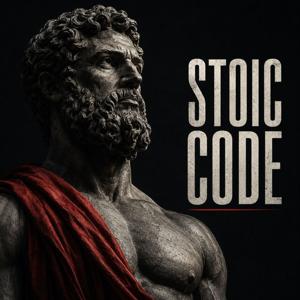
El Silencio Que Gana: 13 Lecciones Estoicas Para Tu Paz
You did everything right today, but nobody noticed, and the silence echoes a familiar thought: this is not fair. This frustration is real, but what if the feeling itself isn't the problem, and the true challenge lies in your next action? Discover the ancient wisdom that addresses these ordinary, yet profound, moments of quiet struggle.
In this episode, we explore twelve practical lessons from three Stoic philosophers whose lives were vastly different, yet their conclusions remarkably similar. These are not abstract theories, but concrete instructions for navigating the moments when life doesn't reward your virtue as expected.
Topic: Stoicism
Period: Ancient Rome
Authors: Marcus Aurelius, Epictetus, Seneca
Focus: Practical application of Stoic philosophy
Key Concept: The gap between knowing and doing
- Marcus Aurelius, an emperor with absolute power, wrote private notes (Meditations) around 170 AD to remind himself how to behave.
- Epictetus, a man who had been enslaved, concluded that the only thing a person truly owns is their response to events.
- Seneca, writing letters to Lucilius, emphasized that the problem is not short life, but wasted time.
- The Stoics identified that expecting a reward for an action makes the action dependent on external control.
- Epictetus constantly asked: "What part of this actually belongs to you?" with the answer being your judgment and response.
To listen to this podcast ad-free and access premium episodes, try our subscription with a 30-day free trial at obomedia.com.
© 2026 OBOMEDIA. All rights reserved.
This episode and its content (audio, text, and related materials) are the exclusive property of OBOMEDIA and are protected by applicable copyright laws. Reproduction, distribution, editing, or commercial use, in whole or in part, without prior written permission from OBOMEDIA is prohibited. For permissions, licensing, and business inquiries:
[email protected].