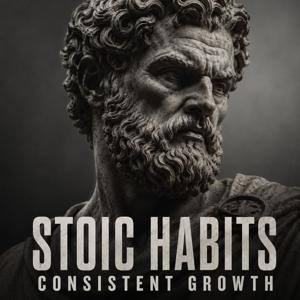
The Emperor's Secret: Why Marcus Aurelius Hated Mornings
Your jaw is tight, your shoulders carry an unnamed weight, and everyone else seems to know their path while you stand still. This quiet paralysis, fueled by comparison and inaction, was called doxa by the Stoics-the crushing weight of external judgment. What did it cost three men, living across centuries and circumstances, to discover the unsettling truth that what you believe is missing is not outside you?
In this episode, we explore how three ancient Stoic philosophers-Epictetus, Marcus Aurelius, and Seneca-dismantled the force of doxa from vastly different life experiences. We delve into their individual journeys, from enslavement and exile to imperial power, and uncover the convergent conclusion they reached about true freedom.
Person: Epictetus
Person: Marcus Aurelius
Person: Seneca
Topic: Dichotomy of control
Period: Ancient Rome
- Epictetus, born enslaved, had his leg deliberately broken, causing a permanent limp.
- Despite his lack of external control, Epictetus articulated a precise theory of human freedom.
- Marcus Aurelius, Emperor of Rome, wrote Meditations as a private discipline, not for publication.
- Seneca faced exile from Rome, loss of an infant son, and significant reversals of fortune.
- The Stoics believed that true freedom lies in controlling one's judgment, desires, effort, and response.
To listen to this podcast ad-free and access premium episodes, try our subscription with a 30-day free trial at obomedia.com.
© 2026 OBOMEDIA. All rights reserved.
This episode and its content (audio, text, and related materials) are the exclusive property of OBOMEDIA and are protected by applicable copyright laws. Reproduction, distribution, editing, or commercial use, in whole or in part, without prior written permission from OBOMEDIA is prohibited. For permissions, licensing, and business inquiries:
[email protected].