
Sign up to save your podcasts
Or


📌 Visit www.apresplasticsurgery.com
Telling your surgeon "I want a D cup" feels like clarity. It's not. Cup sizes aren't standardized across brands, and the same CC count looks completely different on two different frames. You can't build a customized result around a measurement that means something different in every store.
In this episode, I'm going to walk you through the anatomy-first sizing system that produces the most consistent, proportional results and show you the five questions your surgeon should answer before you commit to any size.
⏱️ TIMESTAMPS
0:00 Stop Telling Your Surgeon What Cup Size You Want
1:44 Why cup size is not a measurement your surgeon can work from
2:54 How the anatomy-first sizing system actually works
3:13 Implant base width and projection: what actually matters
3:49 Using 3D imaging to see your result before surgery
4:22 The hidden risks of going too big for your frame
7:21 Five questions every consultation should answer
8:32 How to choose the right implant for your anatomy
11:30 What to stop doing before your next appointment
12:22 How to prepare to get a better consultation
❓ QUESTIONS ANSWERED
Why doesn't cup size work as a breast augmentation goal?
Cup size is not standardized across bra brands, so a surgeon cannot translate "I want a D" into a surgical plan. Your chest width, breast base, skin quality, and existing volume are what actually determine the right implant for you.
What are the real risks of choosing a breast implant that is too large?
Oversized implants stretch the tissue, cause visible rippling, and often produce a top-heavy appearance that does not age well. Many patients return for revision surgery to go smaller, which is significantly harder than the original procedure.
📱 RESOURCES
Website: www.apresplasticsurgery.com
Instagram: https://www.instagram.com/apresplasticsurgery/
🔔 Subscribe for honest, no-BS education on plastic surgery, body contouring, and the decisions that determine whether you get lasting results from a board-certified surgeon with 14 years of practice.
ABOUT DR. ARIC AGHAYAN:
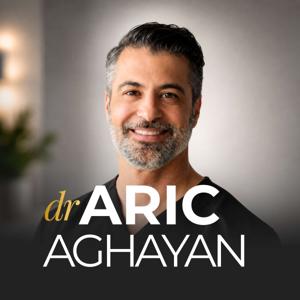
Dr. Aric Aghayan is a board-certified plastic surgeon, member of the American Society of Plastic Surgeons and The Aesthetic Society, and founder of Apres Plastic Surgery in Portland, Oregon. With 14 years of practice and over 2,500 procedures performed, he specializes in breast procedures, high-definition liposculpture, and post-weight loss body contouring. He was one of the first surgeons in the Pacific Northwest to offer Motiva implants and the Preserve minimally invasive breast augmentation.
#PlasticSurgery #PlasticSurgeon #BreastAugmentation #Liposuction #BodyContouring
 View all episodes
 By Aric Aghayan
📌 Visit www.apresplasticsurgery.com
Telling your surgeon "I want a D cup" feels like clarity. It's not. Cup sizes aren't standardized across brands, and the same CC count looks completely different on two different frames. You can't build a customized result around a measurement that means something different in every store.
In this episode, I'm going to walk you through the anatomy-first sizing system that produces the most consistent, proportional results and show you the five questions your surgeon should answer before you commit to any size.
⏱️ TIMESTAMPS
0:00 Stop Telling Your Surgeon What Cup Size You Want
1:44 Why cup size is not a measurement your surgeon can work from
2:54 How the anatomy-first sizing system actually works
3:13 Implant base width and projection: what actually matters
3:49 Using 3D imaging to see your result before surgery
4:22 The hidden risks of going too big for your frame
7:21 Five questions every consultation should answer
8:32 How to choose the right implant for your anatomy
11:30 What to stop doing before your next appointment
12:22 How to prepare to get a better consultation
❓ QUESTIONS ANSWERED
Why doesn't cup size work as a breast augmentation goal?
Cup size is not standardized across bra brands, so a surgeon cannot translate "I want a D" into a surgical plan. Your chest width, breast base, skin quality, and existing volume are what actually determine the right implant for you.
What are the real risks of choosing a breast implant that is too large?
Oversized implants stretch the tissue, cause visible rippling, and often produce a top-heavy appearance that does not age well. Many patients return for revision surgery to go smaller, which is significantly harder than the original procedure.
📱 RESOURCES
Website: www.apresplasticsurgery.com
Instagram: https://www.instagram.com/apresplasticsurgery/
🔔 Subscribe for honest, no-BS education on plastic surgery, body contouring, and the decisions that determine whether you get lasting results from a board-certified surgeon with 14 years of practice.
ABOUT DR. ARIC AGHAYAN:
Dr. Aric Aghayan is a board-certified plastic surgeon, member of the American Society of Plastic Surgeons and The Aesthetic Society, and founder of Apres Plastic Surgery in Portland, Oregon. With 14 years of practice and over 2,500 procedures performed, he specializes in breast procedures, high-definition liposculpture, and post-weight loss body contouring. He was one of the first surgeons in the Pacific Northwest to offer Motiva implants and the Preserve minimally invasive breast augmentation.
#PlasticSurgery #PlasticSurgeon #BreastAugmentation #Liposuction #BodyContouring