
Sign up to save your podcasts
Or

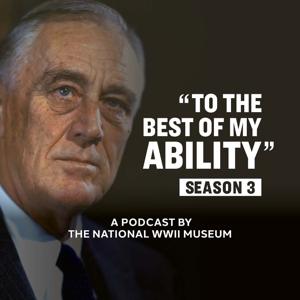

The strike wave of 1945-1946 was a series of large-scale post-war labor strikes in the United States, spanning numerous industries and public utilities. In the year after V-J Day, more than five million American workers were involved in strikes, including oil workers, the United Auto Workers, and the United Mine Workers. The strikes lasted on average four times longer than those during the war, and even today remain the largest "job actions" strikes in American labor history. Among these events, the Havaco No. 9 Mine disaster resulted in miners going on strike in unprecedented numbers to demand better safety regulations. Separately, meat packers with the AFL-CIO began a massive strike on January 16, 1946. After 10 days, the government seized the plants.
 View all episodes
 By The National WWII Museum

4.8
132132 ratings
The strike wave of 1945-1946 was a series of large-scale post-war labor strikes in the United States, spanning numerous industries and public utilities. In the year after V-J Day, more than five million American workers were involved in strikes, including oil workers, the United Auto Workers, and the United Mine Workers. The strikes lasted on average four times longer than those during the war, and even today remain the largest "job actions" strikes in American labor history. Among these events, the Havaco No. 9 Mine disaster resulted in miners going on strike in unprecedented numbers to demand better safety regulations. Separately, meat packers with the AFL-CIO began a massive strike on January 16, 1946. After 10 days, the government seized the plants.

239 Listeners
68 Listeners
129 Listeners
2 Listeners
54 Listeners
26 Listeners