
Sign up to save your podcasts
Or

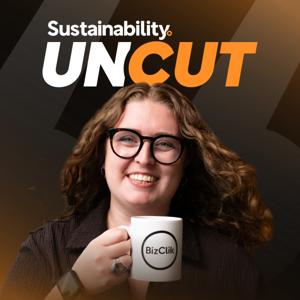


Katie Neck, Managing Director and Founder of Sustained Futures, on why sustainability leaders must learn to speak the board's language.
A typhoon in Japan moved Katie Neck from McLaren’s commercial team into sustainability. Now she argues the biggest workforce gap is not technical, and responsible AI could give sustainability teams their seat back at the table.
Katie spent six years at McLaren, founding its sustainability team after a 2019 typhoon showed her what extreme weather does to a high-performance operation. In this episode, recorded at Sustainability LIVE: The London Summit with guest host David Weston, the conversation runs from the F1 paddock to AI agents and takes a closer look at the departments that need upskilling first.
Katie keeps the discussion practical and focused on outcomes. She explains that she has three or four AI agents managing her inbox, thinks people stuck in Copilot use a fraction of what the technology can do, and believes that what most workforces really lack is a mindset shift, not a technical ability.
Impact needs evidence. Philippa Naylor, Head of Corporate Affairs & Sustainability at Nestlé Waters & Premium Beverages UK, explains how the business tracks progress towards becoming water positive, from volumetric water benefits to biodiversity and community outcomes.
She shares the results behind a Derbyshire river restoration that has brought Atlantic salmon back after 100 years, why both UK sites hold Alliance for Water Stewardship certification and why water scarcity is now a business resilience issue.
Practical, measurable and clear about how long real change takes. More from Sustainability Uncut on Sustainability Magazine: https://sustainabilitymag.com/podcasts
How can life science companies reduce their environmental impact without compromising scientific performance, safety or regulatory compliance?
In this episode of Sustainability Uncut, recorded at Sustainability LIVE: The London Summit, host David Weston speaks with Perrine Froger, Head of Sustainability Strategy & Enablement at Merck Life Science, about making sustainability a practical part of scientific innovation.
Perrine discusses how Merck Life Science is developing lower-impact products, tackling single-use plastic waste and using data to help laboratories make more sustainable decisions.
Alpine Group's Clare Woodford explores sustainable manufacturing, human rights, responsible supply chains and the importance of collaboration.
As fashion brands face increasing pressure to reduce environmental impact, protect workers and meet evolving regulations, how can they balance sustainability ambitions with commercial demands?
In this episode of Sustainability Uncut, recorded at Sustainability LIVE: The London Summit, host David Weston speaks with Clare Woodford, Vice President, Sustainability and Impact at Alpine Group, about the future of responsible manufacturing.
Clare explores how Alpine Group is strengthening supplier partnerships, improving worker wellbeing and embedding sustainability into global operations.
Rapidly growing demand for AI and digital infrastructure is presenting businesses with a significant challenge: how can they reduce their environmental impact while managing rising technology costs?
In this special episode of Sustainability Uncut, recorded at Sustainability LIVE: The London Summit, guest host David Weston speaks with James Pennington, Global Sustainability Director at Lenovo, to explore how circular technology is helping businesses cut costs and carbon without compromising performance.
Drawing on his experience at the World Economic Forum and Deloitte, James discusses how Lenovo is extending device lifespans, reducing electronic waste and developing more sustainable IT solutions.
As demand for connectivity, data and AI continues to grow, telecommunications companies face a critical challenge: how can they expand their networks while reducing environmental impact?
In this episode of Sustainability Uncut, host Charlie King sits down with Dana Haidan, Chief Sustainability Officer at Virgin Media O2, to explore how the company is embedding sustainability into its operations, from reducing emissions and extending device lifespans to strengthening infrastructure against climate change.
Drawing on almost two decades of sustainability leadership experience, Dana explains why responsible business practices must become central to commercial strategy and long-term resilience.
Lenovo's Virginie Le Barbu explores sustainability, circular economy, collaboration and why business value is essential to driving lasting change. Sustainability is no longer just about meeting environmental targets. It's about transforming how businesses operate, collaborate and create long-term value.
For Virginie Le Barbu, Executive Director of Global Sustainability and Lenovo 360 Circle Lead, meaningful progress starts with bringing people and businesses together. In this episode of Sustainability Uncut, host Ella Wilkinson sits down with Virginie to explore how Lenovo is embedding sustainability across its global operations and partner ecosystem.
Drawing on more than 25 years of experience across finance, sales, procurement and strategy, Virginie discusses circular economy innovation, Scope 3 emissions, industry collaboration and why sustainability must become part of everyday business decision-making.
Green shipping is possible. But only if the commercial conditions are right.
Øistein Jensen, Chief Sustainability Officer at Odfjell, joins host Ella Wilkinson to discuss what decarbonising one of the world's most complex industries actually takes, from regulatory consistency and alternative fuel infrastructure to the industry collaboration that accelerates progress where individual companies can't.
An honest conversation from someone working on leading change from the inside.
What if businesses are spending too much time measuring sustainability and not enough time solving the problems that matter?
In this episode of Sustainability Uncut, Dr Alan Knight, Chief Sustainability Officer at WE Soda, challenges the way businesses approach sustainability, drawing on 40 years of experience across retail, steel, energy and mining.
From his early work at B&Q to responsible sourcing and supply chain collaboration, Alan explains why some of the biggest opportunities for change sit deeper within the value chain, and why businesses need to look beyond carbon to the issues where they can have the greatest impact.
He also explores the role of policy, markets and collaboration in making more sustainable choices commercially viable.
For Volvo Group, decarbonising transport is about far more than replacing combustion engines with batteries. It requires new technology, infrastructure, energy systems, policy and collaboration across the entire value chain.In this episode of Sustainability Uncut, Karin Svensson, Chief Sustainability Officer at Volvo Group, explores how one of the world’s largest commercial vehicle manufacturers is navigating the transition towards more sustainable transport.Drawing on almost 30 years at Volvo Group across R&D, strategy, public affairs and sustainability, Karin discusses the company’s electrification journey, its ambition to reach Net Zero by 2040 and why progress needs to happen market by market and transport segment by transport segment.From battery-electric trucks and charging infrastructure to green steel, partnerships and industrial competitiveness, Karin explains why sustainability must create value for customers, businesses and society.